
Bull Island Keeper Legends: Dublin Bay Lighthouse Apparitions — Ghost Tour Dublin Experience
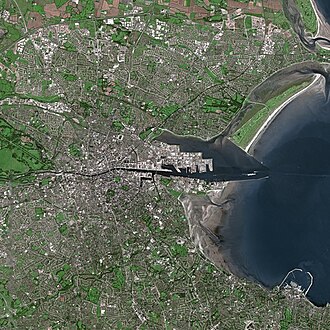
Bull Island sits at the mouth of Dublin Bay as both a natural refuge and a place of stories. For generations the low dunes, salt marshes and navigation lights have inspired practical records and private tales—logbooks and lighthouse lists on one hand, whispered accounts of lone keepers seen on stormy nights on the other. This article traces what is documented about Bull Island and its lighthouses, collects the recurring motifs in local keeper apparitions, and offers practical advice for visitors who want to approach these stories responsibly and safely.
Book the Ghost Tour Dublin Experience to explore Dublin Bay’s lighthouse legends
Documented history of Bull Island and its lighthouse
Bull Island is a relatively recent landform in geological terms, formed by shifting sands and tidal patterns in Dublin Bay. It has long been important for navigation; authorities maintained beacons and lights in the bay to warn shipping of shoals and channels. Official notices, harbour board minutes and maritime records typically record when lights were erected, upgraded or automated, and list keepers employed by lighthouse authorities.
When looking for documentary evidence you will usually find names, service records and engineering reports rather than eyewitness tales. Local libraries and maritime repositories hold logs, and official archives can confirm whether a keeper served at a particular light or whether a structure existed in a given year. For visitors interested in the verifiable side of the story, seek out these institutional records and consult local heritage organisations.
The keeper apparitions: local accounts and recurring motifs
The folklore of Bull Island tends to cluster around a handful of image-types: the solitary keeper in oilskin and slicker, the light flashing where no maintenance appears to have taken place, footsteps in sand with no living owner, and silhouettes seen from across the water at dusk. Stories often emerge from fishermen, coastal walkers and residents of nearby Clontarf who passed down what they saw or heard.
Recurring motifs include: a figure appearing during storms to tend a light that had been automated decades earlier; an unlit lamp coming alive at a precise hour; and a feeling of being watched while crossing a particular stretch of dunes. These elements are familiar in maritime folklore worldwide and often echo themes of duty, loss and the sea’s unpredictability.
Importantly, oral tradition is valuable evidence of what people felt and feared, and it tells us about community memory. But oral accounts are not the same as archival proof. Treat these tales as folklore — expressive and layered — rather than as direct historical testimony.
How to separate folklore from archival history
Separate the strands by asking three questions: who told the story and when; what does the documentary record say about the time and place; and how consistent are independent accounts? Start with local newspapers, maritime logs and lighthouse service records to establish baseline facts: where a light stood, who was employed, and when automation occurred.
Next, compare oral reports. Similar details repeated by unrelated witnesses can suggest a persistent tradition rather than a one-off misperception. At the same time, be aware of natural explanations: mirages, reflections from city lights, shipboard lanterns and the play of fog and waves can create apparitions. Use sceptical curiosity — not dismissal — to map the overlap between verifiable events and the texture of legend.
If you want to dig deeper, ask librarians or heritage staff where to find harbour board minutes, keeper logs and local newspaper archives. These sources will provide context without needing you to accept folklore as literal fact.
Visiting Bull Island: access, best times and practicalities
Bull Island is a public nature reserve and reachable from several points along the coast. Paths and boardwalks cross the dunes and salt marshes; some areas are sensitive habitats. If your interest is the lighthouse stories, evening light—when silhouettes are visible—is evocative, but daylight visits offer safer walking and clearer interpretation of the landscape.
Guided visits provide historical background, local lore and navigation of wet or dune areas. Independent visits are entirely possible, but check tide times, weather and local signage. Always keep to marked paths, respect strict nesting zones and avoid trampling dune vegetation. If you plan a visit near Clontarf or along the northern shore, you may also find related walks such as the Clontarf Promenade Evening Legends: A Visitor’s Guide to History & Folklore useful for connecting local stories.
Safety and conservation
Coastal environments change quickly. Wear sturdy shoes, carry a charged phone and tell someone your intended route. Avoid exploring alone after dark along exposed beaches. Be mindful of wildlife: Bull Island is an important bird reserve and large parts are off-limits during breeding seasons. Leave no trace and follow any guidance from local conservation bodies.
Experience it with a guide: a Ghost Tour Dublin Experience
A guided Ghost Tour Dublin Experience focused on Dublin Bay lighthouse legends blends folklore, landscape and local history. Expect a small-group walking format with a knowledgeable guide who frames stories alongside what is documented. A typical evening includes discussion of lighthouse service, recounting of keeper apparitions, an orientation to the dunes and marshes, and time for questions.
Sample itinerary
Meet near a central access point and receive a safety briefing and short historical sketch. Walk to vantage points where lights and silhouettes are most evocative, pause for storytelling and interpretation, and end at a sheltered spot for reflections on how communities remember the sea. Tours often last 60–90 minutes and are tailored to weather and group needs.
Practicalities: wear layered clothing, bring waterproof protection, and arrive with good footwear. Guided tours provide context you will not get from a quick roadside stop, and they model respectful behaviour around wildlife and private property. For other atmospheric walks in Dublin, consider pairing your visit with routes like Howth Head Cliffside Spectres: Visitor’s Guide to History, Legends & Safe Night Walks or Hidden Dublin Courtyards: Uncanny Urban Encounters — A Visitor’s Guide for a deeper sense of the city’s uncanny landscapes.
Responsible tourism and photography
Photography is a natural impulse on Bull Island, but take care. Night photography can disturb wildlife and other visitors. Use low-impact lighting, avoid flash in sensitive areas, and keep to paths to protect dune grasses. When photographing people, always ask permission, particularly if you are recording local storytellers or community events.
Respect the boundary between public folklore and private memory. Many keeper stories are treasured as part of family or neighbourhood history. Ask before you publish personal recollections and consider how your storytelling affects local residents and wildlife. If you are organising a private group or corporate event, Ghost Tour Dublin can tailor an experience; details for private bookings are available for group organisers who want a focused interpretation.
Book the Ghost Tour Dublin Experience to explore Dublin Bay’s lighthouse legends
Planning notes for curiosity-driven visitors
If you operate or plan a small guided outing, pricing and group management matter. Practical models and advice for small operators are available to help plan safe, sustainable tours and match them to visitor expectations. For those running private groups or educational visits, Ghost Tour Dublin offers tailored experiences and planning support to ensure interpretative quality and safety for all participants.
When you arrive, keep expectations modest: the most compelling part of the Bull Island keeper legends is the interplay between sea, duty and memory. Whether you encounter nothing more than a gust of wind and a lonely lamp, or you listen to a story that moves you, approaching the place with respect and preparation will make the visit memorable.
Book the Ghost Tour Dublin Experience to explore Dublin Bay’s lighthouse legends | Private groups and bespoke experiences
FAQ
Are the Bull Island lighthouse apparitions real or documented?
Apparition reports exist as oral tradition and local anecdote; they are part of community folklore. Documentary records—such as lighthouse logs and official notices—typically document lights, staffing and technical changes, but they rarely record supernatural events. Treat apparitions as meaningful folklore rather than established historical fact.
Can I visit the Bull Island lighthouse and grounds on my own, or is a guided tour recommended?
You can visit independently; paths and public access points are available. A guided tour is recommended if you want historical context, safe route choices, and an interpretive approach to the legends. Guides also ensure you respect conservation rules and local sensitivities.
Is it safe to explore Bull Island at night to look for paranormal activity?
Exploring after dark carries risks: changing tides, uneven ground and limited visibility. Night visits should be undertaken in groups with adequate lighting and knowledge of the area, or as part of an organised guided tour. Never enter restricted wildlife zones and always prioritise safety and conservation.
How do I book a Ghost Tour Dublin Experience that includes Dublin Bay lighthouse legends?
Visit the Ghost Tour Dublin booking page to see scheduled tours, private group options and current availability. For bespoke or private bookings, use the private groups link on the same site to arrange a tailored experience.