
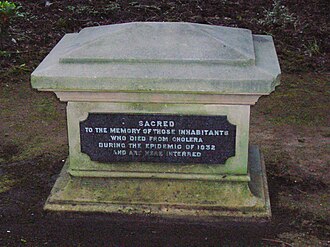
Forgotten Cholera Pits: Touring 19th‑Century Dublin Burial Sites
Dublin’s 19th‑century cholera pits are a quiet, often invisible layer of the city’s landscape: mass burial places created in response to sudden epidemic deaths, then partially erased by development, memory and time. For visitors interested in dark history, these sites connect public-health history, urban growth and local remembrance; approached respectfully, they can deepen an understanding of how Dubliners lived and were buried during crises without sensationalising suffering.
Documented context: 19th‑century cholera outbreaks in Dublin
The term “cholera pit” refers to mass graves or large-scale interment sites used during cholera outbreaks when the usual burial systems could not cope with the number of deaths. Contemporary municipal and parish records from the 19th century describe emergency measures to bury the dead quickly and reduce the risk of disease, including the use of communal burial plots.
It is important to separate what is documented from later interpretation: documented sources record parish registers, municipal minutes and occasional newspaper notices about burial arrangements during outbreaks. These describe hurried burials, temporary pits at the edges of populated districts, and the involvement of local health boards. They do not, however, produce an unbroken catalogue of every grave location—many records are fragmentary and some burial grounds were later altered or developed.
Where the cholera pits were — mapping known sites and what survives today
Surviving documentary traces and burial registers indicate that cholera burials were often placed in existing parish burial grounds, on the outskirts of the expanding city, and in municipal plots chosen for quick interment. Over the decades, urban growth, roadworks and landscaping have obscured or removed many of those physical markers.
Today, some neighbourhoods still retain historic graveyards and plaques that reference epidemic burials; others sit beneath later housing or public works. When you walk Dublin with attention to its past you will find hints—older headstones clustered in small graveyards, boundary walls that once marked a burial ground, or municipal cemeteries with sections noted in archival records.
For visitors who prefer guided routes that weave together dark-history themes, consider pairing a cholera-site focus with neighbourhood walks such as the Phibsborough Midnight Folklore District Guide — Walking Route & Stories or the Ringsend & Irishtown Evening Spectral Trail — Dark History Walk in Dublin, where local social histories and built fabric are discussed together.
Separating fact from folklore: how oral tradition and legend have grown around burial sites
Where documentary records are thin, local memory and folklore often fill gaps. Stories of unmarked pits, nightly processions or haunted graveyards can emerge decades after events and become part of a neighbourhood’s identity. These narratives are valuable cultural material but they are not the same as archival proof.
To keep accounts credible and respectful, distinguish three categories when interpreting a place:
- Documented history: references in parish registers, municipal minutes, or contemporary newspapers describing burials or public-health measures.
- Oral tradition: stories handed down locally that may reflect memory, metaphor or communal trauma rather than precise facts.
- Legend and embellishment: later ghost stories, dramatic details or invented hauntings that have been layered onto the site for entertainment or identity.
Responsible interpretation for visitors should make these distinctions explicit: explain what records show, where memory contributes, and which elements are later embellishment. This clarity protects both historical accuracy and the dignity of the dead.
Visiting responsibly: etiquette, accessibility, permissions and memorial sensitivity
If you plan to visit sites associated with cholera burials, approach them as places of commemoration rather than spectacle. Keep groups small, speak in subdued tones, and avoid behaviours that could be perceived as disrespectful—no loud theatricalising, no staging of dramatic photographs that treat graves as props.
Accessibility varies. Some former burial sites are now public parks or marked graveyards with visitor pathways; others lie on private land or are built over. Always check access before you go. If a site is on private property or within an active parish graveyard, contact the landowner or parish office in advance to request permission and to ask about visiting hours and any local guidelines.
Consider offering a brief contextual introduction if you are guiding others: state what is documented, what is folkloric, and why the place matters. This both educates and frames the visit as an act of remembrance.
Safety, legal and conservation notes: when not to enter, who to contact, and protecting fragile sites
Some former burial locations are archaeologically sensitive. Disturbing ground may be illegal and can damage fragile human remains or protected features. Do not attempt to excavate, move stones or remove material from any site.
If you encounter an unmarked or fragile-looking area you believe to be a burial site, stop and contact the appropriate local authority before proceeding. In many cases that will be the local council, the landowner, or a parish office; heritage officers can advise on conservation and legal protections. For any discovery of human remains, professional archaeological and statutory procedures must be followed.
For physical safety, be cautious on overgrown boundaries and slopes. Old headstones can be unstable—leave them undisturbed and avoid leaning on them or attempting to clean them without guidance from conservation professionals.
Including cholera-site stories in a commercial ghost or history walk: framing, tone and ticketing considerations
Tour operators who include cholera burial sites or related stories should adopt an ethical framework. The framing should be educational and empathetic rather than sensationalist. Start by presenting documented facts, then explain how local memory or folklore has added layers of meaning. Make clear to customers the difference between archive-based history and later embellishment.
Tone matters: avoid theatrical fright tactics that trivialise real loss. Instead, use evocative but measured language and invite reflection on public-health responses, poverty, and community resilience.
From a practical standpoint, ensure your itinerary respects site access rules and local sensitivities. Include the cost of permissions in your pricing if a private site visit is required. Offer content warnings on marketing materials so customers know the subject matter in advance, and provide alternatives or gentler routes for those who prefer them.
Practical visitor tips: suggested short route, nearby historical sites, and local visitor resources
Suggested short route for a respectful, thematic walk (approx. 60–90 minutes): start at an accessible historic graveyard or memorial space, discuss the documented municipal response to cholera, proceed through a neighbourhood that reflects 19th‑century urban growth, and finish at a civic museum, theatre or public garden where broader social histories are interpreted.
Nearby historical sites that pair well with cholera-site interpretation include older parish churches, civic hospitals and institutions that figure in public-health histories. For cultural context and theatrical connections, consider combining a cholera-focused walk with visits or stories from places such as the Abbey Theatre Backstage Spectres and Actor Folklore — Visitor’s Guide or the Royal Hospital Kilmainham — Spectral Gardeners & Staff Stories, where theatrical and institutional histories intersect.
For practicalities on tour operations and payments, see our guide to Contactless Payments for Dublin Ghost Walks — Practical Guide, which covers ways to make bookings straightforward and respectful for visitors.
If you are organising a group or private experience that would include sensitive sites, please contact us to discuss bespoke options. Book a private Ghost Tour Dublin Experience for groups to ensure a careful, informed visit tailored to your needs.
FAQ
Where were Dublin’s 19th‑century cholera pits located?
Documentary evidence points to emergency burials in parish burial grounds, municipal plots and on the margins of the expanding city during outbreaks. Many individual locations have been altered by later development, so while records identify areas and practices, not every pit has an extant marker. Local parish registers and municipal minutes are the best documentary sources where they survive.
Are the cholera pit sites marked or open to the public?
Some former burial areas are now visible as marked graveyards or memorials and are open to visitors, while others are on private land or have been built over. Access depends on the specific site. Always check access information in advance and seek permission where required.
Is it respectful or legal to visit and photograph these burial sites?
Visiting respectfully is usually permitted at public graveyards and memorials; photography should be low-key and sensitive. Photographing active burial grounds can be distressing to mourners—check with on-site staff or the parish. Avoid entering fenced, private or archaeologically sensitive areas without explicit permission; disturbing human remains can be illegal.
Can I include cholera pit stories on a commercial ghost tour or walking experience?
Yes, you can include these stories, but do so ethically: distinguish documented history from folklore, adopt a respectful tone, obtain any necessary permissions for site access, and provide content warnings to customers. Keep groups small at sensitive locations and avoid sensationalising suffering.