
Coachhouses and Servant Quarters: Spectral Staff of Georgian Dublin
Coachhouses and servant quarters: spectral staff of Georgian Dublin draws visitors into a layered story where civic growth, rigid social order and cramped service spaces meet later folklore about phantom carers, grooms and maids. This guide foregrounds what archival evidence tells us about service life in Georgian Dublin, separates documented fact from subsequent legend, and points to streets and sites where the built remains survive and where Ghost Tour Dublin Experience brings those histories to life.
Why coachhouses and servant quarters matter in Georgian Dublin: context for visitors
During the Georgian period Dublin expanded rapidly as a political and commercial capital. Wealthy households and professional classes required domestic staff, stables and storage close to the main houses. The coachhouse, mews, basement and yard quarters were not peripheral add‑ons but essential parts of urban life.
For visitors today these spaces reveal how the city functioned: service access lanes, separate entrances and back staircases mark an architecture of social separation. Many surviving coachhouses and mews have been converted, but the footprint and fabric still tell stories about the rhythms of everyday labour that supported Georgian Dublin’s public face.
Documented lives: who the servants were, their duties, wages and living conditions
Archival material paints a pragmatic picture. Servants ranged from senior housekeepers, butlers and coachmen to kitchen maids, scullery staff and stable hands. Employment was hierarchical: trusted indoor staff held more secure roles; outdoor staff handled horses, carts and heavy labour.
Records such as censuses and directories list occupations and household compositions, and newspapers and court reports occasionally reveal disputes, dismissals and legal troubles. Those sources consistently show servants worked long hours, slept in small shared rooms or basements and relied on meagre pay plus board and lodging.
Conditions varied with employer and rank. Senior domestic servants might live on the premises with better meals and some job security; junior staff often shared cramped quarters above coachhouses or in rear yards. These differences shaped social networks and mobility, as some servants sought apprenticeships or emigrated for better prospects.
Architecture & urban layout: coachhouses, mews, basements and yard quarters—how to spot them today
Architectural clues are still visible to the patient visitor. Look for narrow lanes and alleys running behind grand terraces, rows of small doors and arched entrances with carriageways wide enough for a horse and wagon but too narrow for modern traffic.
Coachhouses are typically set at the rear of townhouses, sometimes with lofts above for straw and bedding. Mews buildings often have distinctive stable doors and ventilated windows. Basements beneath grand facades were frequently occupied by kitchens and sculleries, with external lightwells and separate staircases for servants.
Later conversions may hide original features, but changes often leave tell‑tale traces: blocked carriage arches, reused stable timbers, or low ceilings and compact rooms that mirror their earlier function. Urban mapping and a careful eye will reveal the service‑wing logic behind the Georgian street plan.
What the records say: using censuses, directories, newspapers and court reports
Historians rely on a range of documentary evidence to reconstruct servant life. Censuses record names, occupations and household structures. Trade and street directories list occupations and sometimes address details for coachmen or stable keepers who worked independently.
Newspapers covered thefts, assaults and public disputes; court reports could document employer‑servant conflicts or legal proceedings involving servants. Estate papers and household account books—when preserved—give granular evidence of wages, clothing allowances and food provisions.
These documents are valuable because they are contemporary. They show how things were recorded and understood at the time, and they allow historians to separate direct evidence from later embellishment. Where newspapers or directories are silent, later reminiscences and folklore often fill the gap—but those must be treated differently.
Folklore and ghost stories: common legends of spectral staff, how and when these tales emerged
Stories of phantom maids, watchful coachmen and lonely stable lads are now part of Dublin’s urban folklore. These accounts often attach to visible service spaces: a mews arch, a damp cellar or a converted coachhouse. Folklore tends to emerge decades after the events it claims to describe and frequently reflects modern anxieties about social displacement or urban change.
It is important to distinguish clearly between documented incidents and folklore. Documented incidents are those mentioned in contemporary records—newspaper reports, court files, or surviving letters and account books. Folklore and legend are later narratives, sometimes generated by guidebooks, oral storytelling or theatrical retellings, that fill gaps or add dramatic detail.
Many ghost stories about servants appeared in the late nineteenth and twentieth centuries as part of a growing interest in the supernatural and in preserving local memory. While these tales enrich the cultural landscape and say much about how communities remember service life, they should not be used interchangeably with archival fact.
Notable Dublin locations to see remnants or hear stories
Several Dublin neighbourhoods retain visible service‑wing architecture and associated stories. Rear lanes and mews off grand Georgian terraces on both sides of the river often reveal coachhouse entrances and low‑lit yards where servants once worked. Sites associated with public unrest or tragic events also attract legends — remember, however, to treat each site’s history critically and separately from folklore.
For visitors interested in theatrical or spectral interpretations, our city also hosts narratives beyond service quarters—see Backstage Phantoms: Actor Tales & Rumours from Dublin’s Fringe Theatres for stories where working lives and superstition intersect. For a different kind of after‑dark visit, the Bachelor’s Walk pages explore echoes and sightings on the north quays.
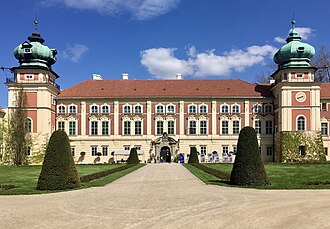
Rathfarnham Castle and its caretaker legends provide another example of how staff narratives have been folded into night‑time storytelling. For pub histories and lesser‑known haunted boozers set around service routes, the Offbeat Haunted Pubs guide offers a complementary route through local legend.
Visiting responsibly: access, safety, photography, and respecting private property and residents
Many coachhouses and servant quarters are now private homes, apartments or businesses. Visitors should never trespass into private yards or residential gardens. Observe signage, keep to public footpaths, and avoid creating nuisance for current residents.
Photography is generally acceptable for exteriors; interiors require permission from owners. Be mindful of low light levels and uneven surfaces in older lanes—wear sensible footwear, and avoid narrow passages at night when local residents may be returning home.
If you encounter oral histories or local storytellers, listen and record respectfully. For operators and enthusiasts interested in preserving accounts, there are practical approaches to archiving oral histories; see our guide on Archiving Dublin’s Oral Ghost Histories for costs, funding and practical advice.
How to experience it: recommended walking routes, guided options and booking
Self‑guided walks through Georgian districts allow careful observation of back lanes and coachhouse frontages; pick a quiet weekday morning to examine architectural details. For contextualised, responsible exploration, guided walks deliver archival context alongside on‑street interpretation.
Ghost Tour Dublin Experience offers curated routes that combine documented history with the oral traditions that have grown around these spaces. Our guides explain how the documentary record differs from later legend, point out surviving architectural features and direct visitors to safe vantage points. Book the Ghost Tour Dublin Experience to explore Dublin’s hidden service‑wing histories on a guided walk.
For private groups and tailored history walks that focus specifically on service‑wing architecture and archival material, we can arrange bespoke tours and research briefings—please contact us for private bookings.
Distinguishing history from legend
When you walk these lanes, remember to hold two things in mind: archival evidence gives us a baseline for what happened and how people lived; folklore tells us how later generations felt about that past. Both are valuable, but they answer different questions. If you want to know wages, duties and living arrangements, seek contemporary records. If you want to understand modern memory and meaning, listen to the stories told by neighbours and guides.
Our tours emphasise that distinction: documented fact first, folklore as cultural reflection second. That approach helps visitors appreciate the real social and architectural history without confusing it with later spectral embellishment.
FAQ
Are coachhouses and servants’ quarters open to the public in Dublin?
Most surviving coachhouses and servant quarters are now private properties or converted buildings. Exterior viewing from public streets and lanes is usually possible; interiors will require permission from owners or access via organised tours.
How do historians tell the difference between true incidents and ghost stories about servants?
Historians prioritise contemporary documentation—censuses, directories, newspapers, court records and estate papers. Where a claim appears only in later reminiscences or oral tradition, it is treated as folklore unless corroborated by primary evidence.
Is it safe and appropriate to photograph these sites and their interiors?
Photographing exteriors from public thoroughfares is generally acceptable. Interior photography requires the owner’s consent. Be mindful of residents’ privacy and any posted restrictions.
Do you offer family-friendly or accessible tours that include these locations?
Yes. Ghost Tour Dublin Experience offers family-friendly routes and accessibility‑aware options—please check tour descriptions or contact us to discuss mobility needs and group arrangements.