
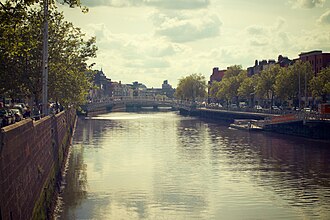
Ringsend Waterfront Twilight Legends: A Visitor’s Guide to History, Hauntings & Evening Walks
The low winter light and the long horizontal horizon of Dublin Bay give Ringsend’s waterfront a particular hush at twilight — a place where working harbour memory meets the kind of stories that grow in the shadows between lamplight and tide. This guide is written for visitors who want a practical evening stroll combining documented maritime and industrial history with the twilight legends that locals still tell. Expect short history notes, clearly marked folklore, a mapped walking route, safety and accessibility advice, photography and etiquette tips, and straightforward next steps if you want to join a guided Ringsend twilight ghost tour.
Book a Ringsend Twilight Ghost Tour — secure your place on an evening walk led by local guides who separate recorded fact from local legend while sharing atmospheric stories along the waterfront.
Ringsend waterfront in recorded history: maritime life, industry and key events
Ringsend sits where the River Dodder and the River Liffey meet Dublin Bay, and its recorded history is closely tied to tides, trade and industry. For centuries the harbour and the Great South Wall helped shape the daily rhythms of the community: fishing, ferries and small-scale ship repair were once routine. Docks, warehouses and shipyards grew where shallow foreshore allowed mooring close to shore.
Industrial change is a documented part of the landscape. Power-generation infrastructure and larger-scale dock developments reshaped the skyline and employment patterns of the area. Maritime navigation features such as the Great South Wall and the Poolbeg Lighthouse have long been reference points for vessels entering Dublin Bay.
These developments are matters of record: maps, property records and newspapers show the transition from a working dockside village to a mix of residential, commercial and reclaimed docklands. When walking the waterfront you will see visible evidence of that layered past in piers, warehouse façades, and the tall chimneys and towers that became part of modern Ringsend’s industrial identity.
Twilight legends and local stories (clearly marked as folklore)
Alongside those documented facts sits a vivid oral tradition. The following are presented as folklore — stories that carry cultural meaning but are not proven historical events.
- Poolbeg lighthouse spectres: Locals sometimes tell of a lone figure seen walking the steps of the lighthouse or on the South Wall at dusk. The mood of the place — wind, sea spray, and a long unlit expanse — makes such sightings a common motif in local storytelling.
- Phantom ferrymen: Stories persist of ferrymen who once guided small craft across channels and who now, some say, appear on foggy nights to steady lost boatmen or to beckon toward the old crossings. These accounts are shared as folklore rather than documented incidents.
- Dockside whispers: The warehouses and quays have their tales too: muffled figures between crates, a boots-on-woodboard sound after closing time, or the impression of someone watching from a porthole. These are part of a broader maritime ghost-story tradition that helps communities remember the harder lives once lived on the water.
Suggested Ringsend twilight walking route
This suggested loop is intended for a relaxed evening stroll and highlights sites where history and legend overlap. Allow 60–90 minutes at a gentle pace, longer if you stop to photograph or visit a pub or café.
- Start at Ringsend Village: Begin where lanes meet the quays. Pause for a moment to notice building lines and names that hint at maritime occupations. Historical note: the village grew around small-scale fishing and ferrying activity. Folklore: listen for tales of phantom footsteps on narrow lanes.
- Walk east toward the Docklands edge: Follow the waterfront promenades toward the larger quay areas. Historical note: this transition shows the scale-shift from village piers to industrial docks. Folklore: dockside whispers often place unseen figures among the old warehouses.
- The Great South Wall and Poolbeg viewpoint: If you continue to the wall you’ll reach open sea views and the Poolbeg structures on the skyline. Historical note: the wall and lighthouse are maritime navigation features. Folklore: this is where many Poolbeg spectre tales are set.
- Return via the Grand Canal Dock edge: Walk back toward the inlet and the more modern dockland developments. Historical note: canal and dock connections underpinned trade and cargo handling. Folklore: canals often host ghost stories about lost bargemen.
- Finish at a local café or pub: The warm indoor atmosphere provides a good place to debrief and compare notes on what you saw and felt.
Separating evidence from embellishment
A practical approach helps you enjoy stories without confusing them with recorded fact. Ask three simple questions as you listen to a tale: is there a documentary source (map, official record, or contemporaneous report)? is the story supported by multiple independent witnesses? and is the anecdote plausible given what we know of local industry, weather and tides?
Many of the most evocative accounts are oral memories and folklore shaped by time, weather and community identity. If you want a deeper ethical framework for interviewing or reporting apparition accounts, consider this checklist for guides and researchers: Interviewing Dublin Apparition Witnesses: An Ethical Checklist for Tour Guides & Researchers.
Practicalities for visitors
Best times: twilight — the period roughly 30–90 minutes after sunset — is when atmosphere is strongest and visibility remains sufficient for a relaxed walk. Avoid the highest tide if you plan to walk the lower sections of the Great South Wall; the water and spray can make exposed jetties slippery.
Safety and accessibility: the route includes cobbled quays, uneven boards and stretches with little lighting. Wear waterproof footwear with grip, bring a compact torch if you plan to stray from lit promenades, and check weather forecasts before you go. For accessibility planning and inclusive night-tour considerations, see our practical guide: Accessibility & Inclusivity for Dublin Night Tours: A Practical Guide.
Public transport: Ringsend is easily reached from central Dublin by local rail and bus services; journey times vary by starting point. Allow extra time in evening peak or weekend periods. If you prefer a guided experience, small-group tours remove the stress of navigation and often include commentary that distinguishes history from legend.
Etiquette, photography and local businesses
Respectful behaviour keeps the walk enjoyable for residents and other visitors. Keep voices low near residential areas, avoid trespassing onto private quays, and do not obstruct operational dock entrances. When photographing, be mindful of people working or relaxing — ask permission before taking identifiable portraits.
Flash photography can be startling to others and to wildlife; use low-light settings or stabilised longer exposures when possible. If you are researching or sharing witness stories, follow ethical interview practices outlined in the earlier checklist link.
Warm-up spots: Ringsend and the nearby Docklands have cafés and pubs that welcome walkers — supporting these local businesses keeps the waterfront active into the evening. If you are involved in community organising or thinking about running your own walks, there are practical funding and partnership models to consider: Funding Community Ghost Walks in Dublin: Grants, Partnerships & Low-Cost Models.
How to join a guided Ringsend twilight ghost tour
Guided tours generally last 60–90 minutes and are led by local guides who blend verifiable history with the area’s oral folklore. Guides should make clear which elements are documented and which are local tales. Expect small groups, routes that avoid unsafe dock operations, and weather contingency plans.
Booking tips: book in advance for weekend evenings and holidays. If you have a private group, ask about a dedicated booking; customised private tours can include additional storytelling elements or a focus on maritime history. To reserve a standard or private experience, follow this link: Book a Ringsend Twilight Ghost Tour. For private-group enquiries, contact our private bookings through the same site for tailored options.
Further reading and related trails
If your interest includes broader night-time urban stories, there are complementary routes and resources worth a look: a self-guided study of Dublin’s old tram-route legends and trail, and night-time reflections on the city’s statues and public monuments. See these guides for more context: Ghosts of Dublin’s Old Tram Routes: A Self-Guided Trail & Guided Tour Guide and Dublin statues at night: Silent sentinels and stories — Night walks & lore.
If you’re ready to go further, reserve a place now: Book a Ringsend Twilight Ghost Tour. For private groups or bespoke evening events along the waterfront please enquire via the private bookings page on the same site.
FAQ
Are the Ringsend waterfront legends based on real events?
Some legends are rooted in real experiences — accidents at sea, lost ferrymen, and once-active dockside work — but the ghostly elements are part of oral tradition. Use documentary records and multiple independent accounts to confirm historical events; otherwise treat ghost stories as folklore that reflects local memory and atmosphere.
What is the best time to take a twilight walk along the Ringsend waterfront?
Twilight, roughly 30–90 minutes after sunset, offers the richest atmosphere while retaining enough light for safe walking and photography. Check tides and weather before you go, and avoid the highest tide if you plan to use exposed wall sections.
Is it safe and accessible to do this walk at dusk or after dark?
Much of the promenade is safe for evening visits, but there are uneven surfaces, low-light sections and operational dock entrances. Wear appropriate footwear, carry a torch, and plan routes that avoid private or restricted areas. For specific accessibility advice, consult our guide on inclusivity for night tours.
Do I need to book a guided Ringsend twilight tour in advance?
Booking in advance is recommended, especially on weekends and during peak tourist seasons. Guided tours limit group size for safety and atmosphere; private-group bookings are also available and should be arranged ahead of time.