
Rathmines Funeral Home Hauntings: History, Reports & Visitor Guide | Ghost Tour Dublin Experience
Rathmines has long been one of Dublin’s quieter suburbs by day and one of its most intriguing by night. The rows of Victorian houses, old chapels and former business premises include several buildings once used as funeral homes — structures that naturally attract stories about ghosts, grief and lingering presences. This guide separates the verifiable history of those premises from the local folklore that surrounds them, summarises the types of encounters people report, and offers respectful, practical advice for visitors and tour-goers.
Introduction: Why Rathmines funeral homes intrigue Dublin night tours
Funeral homes are places of ritual and transition. In communities like Rathmines, buildings that serviced the rites of death for generations become focal points for memory and story. That combination of architecture, social history and urban myth makes them an appealing subject for night walks focused on darker histories and lived experience.
Funeral homes in Rathmines — historical context and where to check records
Many of the buildings associated today with Rathmines’ funeral lore were originally private homes, chapels or small businesses that later served mortuary purposes. The change in use, and the social role they played during times of high mortality, contributes to their presence in local memory.
If you want to research these places, look for primary records in local archives and contemporary newspapers rather than relying solely on hearsay. Useful avenues include municipal and parish records, historic street directories, building plans and archived press notices. Dublin City archival collections and local library newspaper files are common starting points for verifying ownership, business names and recorded events connected to a particular address.
Documented facts vs folklore: how to evaluate claims and oral histories
Distinguishing documented history from folklore is essential when dealing with hauntings. Documented facts are verifiable: official registrations, newspaper reports, business listings and surviving paperwork that clearly tie an address to a named funeral business or specific event.
Folklore covers oral stories, repeated anecdotes and dramatic embellishments that grow with retelling. Both have value: facts help us understand context; folklore reveals collective memory and emotion. When assessing a claim, ask three simple questions: is there archival evidence? can eyewitness accounts be corroborated? and does the story explain why a site mattered to the community?
For tour guides and researchers, ethical interviewing and careful sourcing matter. See our practical checklist for interviewing witnesses and handling sensitive accounts at Interviewing Dublin Apparition Witnesses: An Ethical Checklist for Tour Guides & Researchers.
Local accounts and reported encounters — what witnesses describe
Accounts connected to Rathmines funeral homes typically come in two flavours: subtle sensations and visual phenomena. Subtle reports include feelings of cold, a sense of being watched, or emotional heaviness at certain doorways. Visual reports — less frequent and usually anecdotal — describe figures in period dress, the silhouette of a mourner, or lights appearing in windows after dark.
Most of these encounters are anecdotal and should be treated as personal testimony rather than proof. Acknowledging that distinction preserves both the emotional truth of eyewitnesses and the standards of responsible reporting. Many witnesses emphasise the atmosphere of the streets — old iron railings, narrow doorways and low gas-style lamplight — which primes the imagination and shapes what people notice.
Where possible, cross-check an account with known facts: did the building function as a funeral parlour? were there reported tragedies or notable local deaths? If you are researching stories further, combine oral reports with documentary checks rather than relying on one source alone.
Responsible visiting: privacy, permissions, etiquette and safety
Funeral homes in Rathmines are working businesses or private properties. Respect for privacy is paramount. Do not attempt to enter private grounds, peer into windows, or disturb residents in the hope of experiencing a phenomenon.
If you wish to visit a site associated with a funeral home, approach respectfully from the public way and keep noise to a minimum. Many premises remain in use and staff can be put on edge by groups. For a deeper, responsible exploration consider a guided walk where permissions have been arranged.
For guides and researchers planning interviews, follow best practice to avoid retraumatising people and to respect confidentiality. Our guidance on ethical interviewing and accessibility can help: Interviewing Dublin Apparition Witnesses: An Ethical Checklist for Tour Guides & Researchers and Accessibility & Inclusivity for Dublin Night Tours: A Practical Guide.
Suggested evening route and nearby ghostly stops for a Rathmines-themed walk
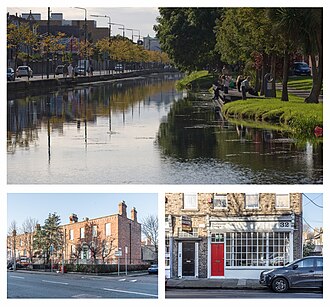
A respectful Rathmines-themed evening route stays entirely on public streets and highlights architecture, former business addresses and places with documented connections to local funerary practice.
Start along the main thoroughfare to take in façades and plaques, then walk quieter residential streets where Victorian terraces and small chapels still survive. Pause at former chapel sites, note carved stonework and ironwork that would once have framed processions, and use the public way to discuss local history and the social role of funeral providers.
If you want to extend the evening into a longer exploration of Dublin’s quieter hauntings, consider pairing Rathmines with other neighbourhood routes. For a contrasting waterside walk and its twilight legends see Ringsend Waterfront Twilight Legends: A Visitor’s Guide to History, Hauntings & Evening Walks. For those interested in university-related stories, Trinity College’s Lesser-Known Ghost Tales: A Visitor’s Guide offers a different kind of campus lore.
Practical information: best times to visit, photography guidance, and how to book a guided tour
Best times: early evening after dusk keeps the walk atmospheric while avoiding the very late hours when local residents are likely to be disturbed. Weekend beginnings of nightfall are popular; weekdays are quieter.
Photography: be mindful. Flashing lights and tripods near entrances can alarm neighbours and staff. Stick to handheld cameras or phones, avoid shining lights into windows, and never photograph people without consent. If you plan to record an interview, obtain clear permission in advance and explain how recordings will be used.
Booking a guided walk: a guided tour is the simplest way to learn the documented history and hear local accounts responsibly. Book a Rathmines-focused ghost walk with Ghost Tour Dublin Experience to ensure a small-group, researched approach and to enjoy commentary that separates fact from folklore. Book a Rathmines-focused ghost walk with Ghost Tour Dublin Experience
What to expect on a Ghost Tour Dublin Experience walk
Guided walks prioritise historical context, sourced anecdotes and respectful engagement with living communities. Expect short, well-researched stops; clear signposting of which stories are documented and which are local lore; and a focus on safety and accessibility.
Guides often pair storytelling with practical notes on researching for yourself, including pointers to directories, newspapers and archives. If you are a guide or researcher yourself, you may find our piece on pricing and publication of interpretive materials useful: How to Price a Dublin Ghost-Guide eBook: Practical Strategies.
Concluding notes
Rathmines funeral home hauntings sit at the intersection of recorded community history and the living imagination. Treat stories with curiosity and care: verify where you can, listen to witnesses respectfully, and never intrude on private grief. The streets themselves — the doorways, ironwork and chapel stones — tell a quieter, well-documented story about civic life, death care and changing urban practice.
If you’d like a guided, responsibly run evening focused on Rathmines: Book a Rathmines-focused ghost walk with Ghost Tour Dublin Experience. For private groups and tailored evenings please enquire via our booking page for group arrangements and exclusive tours at the same site.
FAQ
Can I enter Rathmines funeral homes or are they private properties?
Most funeral homes and former parlours in Rathmines are private or working premises. Entrance without permission is not permitted. Always remain on public pavements and roads, and contact proprietors or a licensed guide if you hope to arrange a lawful visit inside.
Are the hauntings at Rathmines funeral homes verified by historical records or mainly local folklore?
Many haunting stories are rooted in local folklore and eyewitness anecdote rather than documentary verification. Some locations do have verifiable pasts as funeral businesses; this provides context but does not verify supernatural claims. Treat oral reports as valuable personal testimony and complement them with archival research where possible.
Is it safe to visit Rathmines sites at night and are there rules about photography?
Visiting early evening is generally safe and respectful. Avoid late-night trespass, remain aware of traffic and local residents, and follow basic safety precautions. For photography, avoid flash or intrusive setups near private homes, and always ask permission before photographing people or private property.
How do I book a guided walk that covers Rathmines funeral home stories with Ghost Tour Dublin Experience?
To book a Rathmines-focused guided walk, use our main booking page: Book a Rathmines-focused ghost walk with Ghost Tour Dublin Experience. For private group bookings or tailored tour experiences, enquire through the same booking portal and request a Rathmines-themed or private-group option.