
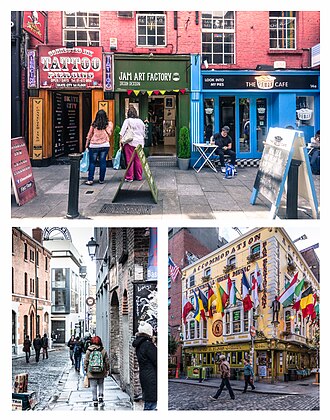
Temple Bar’s narrow lanes take on a different character after dark: lanterns, warm pub light spilling into cobbled alleys, and pockets of silence that reveal layers of Dublin’s past. This short after-dark walking route through the lantern alleys is designed for visitors who want a compact, atmospheric experience—part practical walk, part introduction to the area’s documented history and local folklore—without committing to a long tour. Expect low light, close-up architectural details, and stories that sit somewhere between archive and anecdote.
Book a guided evening walk with Ghost Tour Dublin Experience — join a professionally led, small-group night walk for expanded storytelling, access to quieter corners, and expert safety and photography tips.
Quick facts
Length: A compact loop of roughly 0.5–0.8 km depending on exact alleys chosen.
Estimated time: Allow 25–40 minutes for the walk itself; 45–75 minutes if you pause for photos and reading plaques.
Accessibility: The route follows cobbles and narrow pavements. Not suitable for wheelchairs or strollers in every alley; choose the wider parallel streets if needed.
Best seasons: Autumn and late winter evenings offer atmospheric light and fewer tourists; summer evenings are busy but lively. Check weather forecasts—rain makes cobbles slippery.
Step-by-step route: a concise lantern-alley loop
Start point: Temple Bar’s central crossroads near the cobbled square (look for the public library and the main pedestrian plaza). The route forms a short clockwise loop—easy to follow and adaptable.
Leg 1 — Lantern Lane: From the square, take one of the narrow lanes heading south. Lanterns and pub signs will guide you; pause to take in the wrought-iron lamp brackets and the texture of shopfronts. Timing: 5–8 minutes.
Leg 2 — Courtyard cut-through: Turn into a small courtyard alley. This is where the light softens and echo diminishes. Look for carved lintels and hidden plaques on doorways—these are often original features. Timing: 5 minutes.
Leg 3 — Back-alley arch: Continue to an arched passage that brings you back toward the riverfront side streets. The arch provides a good photo frame and is one of the route’s narrowest points—single-file traffic at peak times. Timing: 5 minutes.
Leg 4 — Riverside approach: Finish by circling back along a slightly wider pedestrian street beside the river-facing pubs, returning to the square. If you want to extend, follow the river south for five minutes toward the quays for broader views and more evening lights. Timing: 7–15 minutes.
Total on-foot time: 25–40 minutes. Adjust to fit your schedule or combine with a pub stop.
Historical highlights: documented history at key stops
Documented history: Temple Bar evolved from an area of market activity and small-scale trade into an artists’ and cultural quarter in the late twentieth century. Many of the alleys were originally service lanes and coach accessways for the houses and warehouses that fronted the quays.
Architectural notes: Look for surviving early shopfronts, lintels and stone thresholds—these are physical traces of past uses. The cobbles and narrow building lines reflect medieval and early modern urban patterns that persisted through rebuilding phases.
Recorded buildings: Some of the alley-facing buildings contain protected elements and occasional plaques describing past occupants—always respect these features. For a related deeper medieval context, see the visitor guide to St Audoen’s Crypt — Medieval Burials and Midnight Tales, which explores Dublin’s medieval layers beyond Temple Bar itself.
What is documented vs. what isn’t: Records show ownership changes, property uses, and municipal improvements; however, everyday life in narrow alleys—shopkeepers’ private stories, whispered disputes, and unrecorded events—rarely made it into official documents. That gap is where local memory and folklore grow.
Folklore and ghostly tales
Labelled as folklore: Temple Bar’s lantern alleys are rich with stories passed down by locals and visitors. Common themes include spirits tied to old coaching houses, restless workers from earlier centuries, and occasional spectral musicians said to drift through the lanes on foggy nights. Treat these as local colour—compelling narratives that enrich an evening walk but are not always supported by archival evidence.
Anecdote example: A frequently told tale speaks of a lone fiddler who appears in a courtyard on quiet nights. This is an anecdote repeated by several guides and residents—atmospheric, possibly inspired by real buskers, but not verified by historical records. For those interested in how such stories are shaped into performance, see Writing Compelling Dublin Ghost Stories: Craft Tips for Guides & Writers.
How folklore complements fact: Folklore fills the emotional and sensory gaps left by official records. Use it to feel the place, but distinguish it from documented history when recounting or sharing stories with others.
Safety, etiquette and practical tips
Nightwalking safety: Stick to lit lanes, stay aware of your surroundings, and keep valuables secure. Cobblestones can be slippery—wear low-heeled footwear with good grip.
Lighting: Bring a small torch or use your phone’s light for close-up details; avoid bright flash photography where it disturbs residents or other walkers.
Etiquette: Temple Bar is a living neighbourhood. Keep voices down in residential alleys, follow pub and shop opening hours, and avoid obstructing doorways. Respect private property—do not enter gated courtyards without permission.
Photography courtesy: Ask before photographing people, and be mindful of signage that requests no commercial photography. If you’re using a tripod or lighting for a small personal shoot, check with nearby businesses first.
Where to stop: cafés, pubs and toilets
Short break options: The square and nearby frontages contain several cafés and late-running coffee shops for a warm drink. For a traditional atmosphere, finish at a riverside pub with seating; these establishments often welcome post-walk visitors.
Toilets: Public and private restrooms are available in a few cafés and pubs; plan ahead as not every lane has facilities. Many venues allow patrons to use toilets if you purchase something small.
Pairing with an evening out: Combine the lantern alley loop with a casual dinner or live music in a nearby pub. If you’re working on a creative project, our guide to Budgeting a Short Ghost Film on Dublin Quays — Practical Cost Guide explores practical pairings of night shoots and local hospitality.
Guided option: why choose a Ghost Tour Dublin Experience
Why go guided: A Ghost Tour Dublin Experience adds depth: trained guides separate archival fact from folklore, point out hidden architectural features, and lead you safely to quieter corners some self-guiders miss. Guides provide context—who lived here, how lanes were used, and how myths formed over time.
Added benefits: Small groups, curated storytelling, and the chance to ask questions make a guided night walk especially valuable for first-time visitors, families seeking a structured evening, or photographers wanting tips about low-light shots.
How to book: To reserve a spot or check availability, book a guided evening walk with Ghost Tour Dublin Experience. For private groups or tailored events, including corporate or family bookings, contact the private groups page via the same booking link to arrange a bespoke experience.
Further reading and related walks: If you enjoyed the mix of history and atmosphere, explore other themed pieces from our guides—such as Bull Island Twilight Apparitions and Saltmarsh Whispers — A Visitor’s Guide or the industrial hauntings at Sandyford Mill: Hauntings, Histories & What Visitors Should Know.
Book a guided evening walk with Ghost Tour Dublin Experience — join a small-group night walk for extended stories, local expertise, and safer access to the city’s quietest lantern-lit alleys.
FAQ
How long does the Temple Bar lantern alleys route take, and what distance does it cover?
Typical on-foot time is 25–40 minutes for the short lantern-alley loop, covering roughly 0.5–0.8 km depending on chosen turns. Allow extra time for photos, pauses, or a stop at a café or pub.
Is the after-dark route safe for solo travelers and families?
Generally yes, if you stick to lit alleys and busier adjacent streets. Use common-sense precautions: travel in a group where possible, keep valuables secure, and avoid narrow, poorly lit cut-throughs if you feel uncomfortable. Guided walks add a safety layer for solo travelers and families.
Do I need a permit or is any part of the route private property?
Most of the lantern alleys are public thoroughfares or semi-public passages associated with businesses. Do not enter gated courtyards or private doorways without permission. No permit is required for casual walking, but commercial filming or professional shoots may require consent from property owners or local authorities.
Can I join a guided Ghost Tour Dublin Experience instead of doing the self-guided route?
Yes. A guided Ghost Tour Dublin Experience provides extended storytelling, archival context, and safe access to quieter corners. To book, visit Book a guided evening walk with Ghost Tour Dublin Experience.