
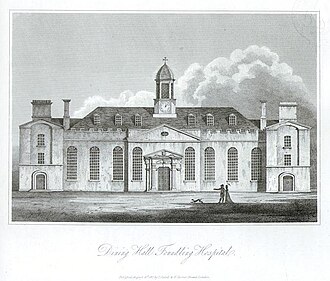
Former hospitals and asylums in Dublin occupy a particular place in the city’s dark-history imagination: imposing brick façades, long corridors, and stories that blur the line between clinical record and whispered legend. For curious visitors the appeal is twofold—architectural and emotional—but good exploration depends on knowing what is documented, what is folklore, and how to move respectfully through places tied to real suffering and care.
Historical context: how Dublin’s medical and psychiatric institutions developed (what archives record)
Dublin’s medical and psychiatric institutions grew alongside the city’s expansion. Early infirmaries, charitable hospitals and purpose-built psychiatric institutions served different populations: the poor, the injured, the chronically ill and those with mental health diagnoses. Administrative records—admission registers, architectural plans, inspection reports and board minutes—survive in a variety of archives and help historians reconstruct policies, treatments and everyday life in these institutions.
When you consult archives you’ll find administrative detail rather than the sensational. Records show patient movements, staffing patterns, funding shortfalls and reform efforts. They can also reveal how social attitudes shaped care: who was admitted, under what criteria, and what medical language was used. For visitors, archival fragments are a reminder that many of the buildings that now feel haunted were once working hospitals staffed by named people and governed by committees and laws.
Ghost narratives vs. documented facts: spotting folklore, rumour and archival evidence
Ghost stories often grow from kernels of truth: a memorial plaque, a tragic accident, or a dramatic headline. Over time such facts collect an imaginative gloss—names are attributed, motives invented, details exaggerated. Distinguishing folklore from documented history means looking for primary sources. Is there an admission record that matches a reported patient? Do contemporary newspapers or official reports corroborate a specific event?
Folklore tends to be broad and oral: recurring motifs (cold spots, lingering nurses or a child’s laughter) appear in many storytelling cultures. In contrast, archival evidence is specific and limited: a surgeon’s logbook, a workhouse ledger, or a council report. When you hear a story on a tour, ask whether the guide can point to an archival source, a newspaper account, or whether the tale has been transmitted through local oral tradition.
For examples of how folklore and place interact across Dublin, you might read structural stories in our piece about Georgian merchant-house legends in “Apparitions in the Attic: Georgian Merchant House Folklore in Dublin,” or see how public spaces gather spectral tales in “St Stephen’s Green: Spectral Sightings & Park Myths — Visitor’s Guide”. These show how myths attach themselves to architecture and public memory, and why careful sourcing matters.
What visitors should expect on-site: architecture, signage, public access and boundaries
Many former hospitals and asylums are now mixed-use sites: some buildings were converted into apartments, office space or cultural venues; others remain public services or heritage sites. Architecturally, expect institutional scale—long wings, repetitive windows, service courtyards and chapel spaces. These features often fuel ghost narratives because they create echoing, shadowed atmospheres after dark.
Signage and public access vary. Where a site is a protected heritage building or on private land, public access may be limited to pavements, gates and designated viewing points. Other sites offer museums or guided interior visits where allowed. Always observe signs and barriers, and treat fences and locked doors as clear boundaries—these are there for safety, privacy and legal reasons.
Ethics and safety: respecting survivors, descendants and protected properties
Ethical visiting is the foundation of responsible dark-history tourism. Many former hospitals were places of care—and, at times, neglect or institutional harm. Visitors should be mindful that descendants and survivors may still live with the consequences of those histories.
Respect includes avoiding sensationalism, not photographing people without consent, and not treating grounds as a thrill-seeking playground. Many institutions are now homes or workplaces; trespass can cause distress and legal trouble. When a site is memorialised—a plaque, a garden or a dedicated space—treat it with the same care you would a cemetery or war memorial.
From a safety perspective, derelict interiors are hazardous. Even experienced urban explorers face risks from unstable flooring, asbestos, exposed wiring and insecure structures. Guided tours that coordinate permissions and assessments reduce those risks and respect property rights.
How to plan a visit: permissions, research tips, and what to bring on a themed tour
Plan your visit with both curiosity and caution. Start by researching the site in advance: read institutional histories when available and check local archives or library collections for primary documents. The Dublin City Library and Archive and other local repositories are useful starting points for verified records.
Seek permission for any interior visits. If a building is privately owned or occupied, contact the owner or site manager. For heritage sites, look for official tour schedules. When in doubt, choose an organised tour that includes clearance and stewarding.
Packing for a themed tour: wear sturdy footwear, bring a reliable torch for low-light sections, and carry a compact rain layer. For night visits, consider hearing protection and a charged phone. Our practical resources such as “Budgeting for Safety Gear on Dublin Night Tours — What to Buy, Borrow, or Skip” and the “DIY Dublin Ghost Map Print — Practical Cost Checklist for Travellers & Small Sellers” offer useful checklists and budgeting tips for travellers planning self-led explorations.
Touring options and what Ghost Tour Dublin Experience offers (themes, length, accessibility)
Guided Dark History tours vary by theme and intensity. Some focus on architectural and institutional histories, providing archival context as you walk exteriors. Others emphasise folklore and communal memory. Duration ranges from short evening walks to longer, deeper explorations. Accessibility also varies: we aim to make our tours as accessible as possible, and can advise on route profiles, surface conditions and lighting.
Ghost Tour Dublin Experience offers themed routes that balance documented history with local stories. Our guides emphasise primary-source context where available, flag folklore clearly, and avoid gratuitous sensationalism. Tours typically operate on formed routes that respect private property and heritage protections; interior access to former medical buildings is only included where permissions and safety assessments are in place.
We also run themed pub-and-history evenings linking hospital narratives with broader urban stories—see how medical and municipal memories intersect with the social fabric of the city in tours that connect to other haunted routes such as “Old Dublin pub ghost tales from the north inner city — a haunted pubs crawl.” If you’re organising a private group, we can tailor content and logistics; for group bookings please enquire via our private groups page.
If you’re arranging a private group or an educational visit, we can provide bespoke itineraries, risk assessments and source-lists for teachers or researchers. Contact our private groups desk to discuss options and accessibility requirements.
Further resources: where to verify history—archives, local historians and museum collections
To verify the historical claims behind haunting narratives, consult archival repositories, contemporary newspapers and specialist collections. Useful places to start include local government archives, the Dublin City Library and Archive, hospital archives where they remain intact, and university special collections. Local history societies and established historians can also point you to primary documents and contextual studies.
Museums with medical collections may display artifacts and records that illuminate past treatments and institutional life. When a tour mentions a specific event, ask the guide for references so you can follow up independently in the archives. Maintaining a skeptical curiosity—appreciating atmosphere while seeking documentation—produces a more satisfying and respectful experience.
FAQ
Are former hospitals and asylums in Dublin open for visitors or tours?
Access varies by site. Some former hospitals have been repurposed and are only viewable from public boundaries; others welcome visitors as museums or cultural venues. Interior access to former medical buildings generally requires permission and guided oversight. Choosing an organised tour is the safest way to visit interiors where permitted.
How can I tell if a ghost story about a hospital is based on historical record or folklore?
Ask whether the story is linked to primary sources: admission registers, newspaper reports, official inquiries, or contemporaneous records. Folklore tends to be oral, variable and motif-driven; documented events will appear in archival materials with names, dates or administrative context. A credible guide should distinguish between the two.
Is it ethical to photograph or record on former hospital grounds?
Ethics depend on context. Photographing public exteriors and memorials is generally acceptable, but avoid photographing private residences, staff or anyone without consent. Do not record inside occupied buildings without permission. Be sensitive to memorials and the privacy of survivors and descendants.
Do Ghost Tour Dublin Experience tours visit inside former medical buildings or only external sites?
Our tours prioritise safety and permissions. We visit interiors only when the site owner has granted access and safety checks are in place. Most tours focus on well-researched external narratives and documented history, with interior visits offered occasionally as part of special, pre-arranged experiences.