
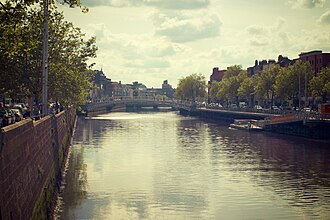
Bachelors Walk Riverfront Spectres and History: Night-Walk Guide
The north bank of the River Liffey at Bachelors Walk holds a compact, concentrated history: a working riverfront shaped by trade, protest and urban change, and a set of stories that have grown longer with every retelling. This guide pairs the documented events and built-environment shifts along Bachelors Walk with the local ghost folklore that haunts its quays after dark. Whether you prefer well-sourced fact or the thrill of legend, this practical evening walking guide explains how to see both—and how to join a guided night walk that brings the riverfront’s past to life.
Book your Bachelors Walk night-walk with Ghost Tour Dublin Experience
Why Bachelors Walk matters to Dublin’s dark history and ghost lore
Bachelors Walk sits in the heart of Dublin’s riverside narrative. Historically a place of commerce, confrontation and movement, the stretch of quays here has witnessed both everyday livelihoods and moments that left deep civic impressions. Over time, those impressions fed folklore: whispered sightings, tales of solitary figures, and stories that link the river’s moods to human loss. For visitors, Bachelors Walk offers a compact, walkable area where history and folklore overlap, easily explored on foot after dusk.
Quick historical facts: Bachelors Walk and the riverfront
Documented history at Bachelors Walk is robust where official records exist: the area was part of Dublin’s working quays, changed by 19th- and 20th-century commerce, shifting warehouse uses, and embankment and road improvements that reshaped river access. Urban development along the Liffey dramatically altered sightlines and the relationship between street and water, often replacing older low-rise structures with larger civic and commercial buildings.
One of the most frequently referenced events connected to the site is the 1914 Bachelors Walk shootings. In the aftermath of the Howth gun-running earlier that month, soldiers and civilians clashed in central Dublin; on Bachelors Walk, soldiers fired on a crowd, an incident recorded in contemporary accounts and later histories. That episode is a documented, violent moment in the area’s history and remains a touchstone when people discuss why the site feels charged.
Riverfront spectres vs. recorded history: separating folklore, eyewitness tales, and archival records
It helps to keep three categories distinct when you explore: documented history, eyewitness testimony, and folklore. Documented history means events supported by archives, newspapers, official records or scholarly work—such as the 1914 shootings. Eyewitness testimony includes accounts recorded in oral histories, newspapers or interviews; these can be reliable but are subject to perception and memory. Folklore and legend are narrative traditions—stories repeated and adapted over generations, sometimes built by imagination or by the need to explain a powerful place.
When guides describe a “spectre” at Bachelors Walk they may be relaying folklore, a reported sighting, or tying a story to a documented event. A careful tour distinguishes between the categories: we point out what appears in the public record, what grew out of eyewitness claims, and what is pure legend. This clarity preserves both historical accuracy and the atmospheric pleasures of a night walk.
On the trail: a guided night-walk route along Bachelors Walk
This suggested route is compact and designed for an evening walk. It assumes a starting point at the pavement facing the river on Bachelors Walk itself (near the cluster of quayside businesses). Stay on public walkways; the route avoids private courtyards and restricted river-edge maintenance areas.
Stop 1 — Bachelors Walk proper
Begin where the name is visible in maps and local signage. After dusk the lamplight and reflections in the Liffey create a close, intimate feel. Guides usually introduce the river’s commercial past here and outline the 1914 shooting incident in careful, documented terms before moving to how that story became woven into local memory.
Stop 2 — Quayside vantage points
Stroll west along the north quays for a short distance, keeping the river to your left. Pause at intervals where the embankment offers clear sightlines across to the south bank. These spots are useful for discussing the built-environment changes: where warehouses once stood, new façades now rise, and how those changes affect acoustics and the ways people report seeing or hearing things at night.
Stop 3 — Under-bridge sightline (public walkway)
If your route includes a pedestrian underpass or bridge approach nearby, the shadowed geometry is a classic place for a ghost story. Guides discuss the difference between the atmospheric sensations created by light and wind and the narrative elements that later generations attached to them.
Stop 4 — Adjacent landmarks and cross-reference points
From the quays you can point visitors toward other haunted locations in the city centre—useful for those combining routes. Mention how sites like The Brazen Head, St Audoen’s Church, and Marrowbone Lane Churchyard fit into broader Dublin folklore, without implying direct causal links.
Stories and sightings: common legends associated with the Liffey riverfront
Local legends tend to cluster around a few motifs: lost children, solitary figures who vanish at the river’s edge, phantom footsteps on the quays, and the sense of watching eyes from across the water. Many of these motifs are common to port cities, where fog, reflections and river noise lend themselves to evocative storytelling.
How these stories evolve: an early reported sighting becomes retold in pubs and newspapers; artists and writers incorporate it into poems or plays; and tourism accounts sometimes amplify atmospheric details. That amplification can be enjoyable—if it’s labelled as legend. When reading or hearing a ghost story at Bachelors Walk, ask whether the teller is recounting an oral claim, summarising an archival fact, or offering a theatrical interpretation.
What to expect on a Ghost Tour Dublin Experience along Bachelors Walk
A typical Ghost Tour Dublin Experience that includes Bachelors Walk blends factual narration with folklore. Tours are guided by trained local guides who point out documented events (like the 1914 shootings) alongside recorded eyewitness accounts and longstanding legends. Expect a clear distinction between what’s archival and what’s anecdotal.
Format and duration: tours that include the riverfront are usually 60–90 minutes long and proceed at a relaxed walking pace with frequent stops for storytelling. Guides provide context about urban change, architecture and the river’s role in the city’s economy and culture.
Accessibility and safety: most night-walk routes use well-lit public sidewalks and avoid steep or unsafe river-edge areas. If you have mobility concerns, check with the operator ahead of time; many tours can adapt routes or provide meeting points that reduce walking distances. Guides always emphasise safety—stick to the path, keep a safe distance from the road and never climb barriers or enter restricted areas for a “closer look.”
Practical visitor advice
Best times: arrive shortly after sunset when the air cools and the river’s reflections deepen—this is when atmosphere is richest without venturing into late-night conditions. In summer, evening light lingers; in winter, dress warmly and allow for shorter daylight.
Weather and clothing: bring a waterproof layer and sensible footwear—Quays can be breezy and sometimes slick near the river. A small headlamp or a phone with a low-level torch is useful, but avoid bright lights that spoil other guests’ experience.
Photography tips: long exposures capture river reflections well. Use a tripod or rest your camera on a stable surface to reduce blur. Be mindful of other visitors and local residents—use flash sparingly and never shine lights into people’s windows.
Respect private property: most riverfront buildings are private or commercial. Stay on public walkways, do not trespass into courtyards or river maintenance paths, and follow any signage. Respectful behaviour preserves access and avoids enforcement action.
Further reading and how to book a guided night-walk
For broader context on Dublin’s haunted landscape and practical budgeting, see the internal guides we reference: Donnybrook After-Dark, Historic admission fees for Dublin haunted sites, and the site-specific articles linked earlier. These pieces offer background to combine with the on-foot experience at Bachelors Walk.
Book your Bachelors Walk night-walk with Ghost Tour Dublin Experience — our guided walks present documented history and folklore clearly, with the safety and storytelling expertise you expect. If you’re organising a private group or corporate booking, we can tailor a route and commentary to meet your needs; please contact us for private group arrangements at the same booking page.
FAQ
Are the Bachelors Walk spectres based on real events or just folklore?
They are a mix. Some stories reference documented events—most notably the 1914 shootings—while many sightings and characters belong to oral tradition and legend. A careful guide will tell you which is which.
Is it safe to walk Bachelors Walk at night and join a ghost tour?
Yes. Night tours operate on public, well-lit walkways and are led by local guides who prioritise safety. Follow the guide’s instructions, wear sensible footwear, and be weather-ready.
How long is a typical Ghost Tour Dublin Experience that includes Bachelors Walk?
Walks that cover the riverfront are usually 60–90 minutes. Exact durations depend on the route and whether the tour includes nearby sites; check the booking page for specific tour listings.
Can I take photos or record on the night-walk, and are tours suitable for children?
Photography and video are generally permitted for personal use—avoid flash that disturbs others. Tours are family-friendly but may discuss mature themes; check age recommendations before booking and consider whether younger children will enjoy a slower-paced, story-focused walk.