
Temple Bar Twilight Alleys: Folklore Trail for Evening Walks | Ghost Tour Dublin Experience
Temple Bar after dusk is a different city: stone, shadow and the soft echo of footsteps in narrow lanes. This guide leads you through a practical, atmospheric twilight walk of Temple Bar’s alleys, pairing verifiable heritage with the oral traditions that colour the neighbourhood’s stories. It is designed for visitors who want to experience the mood of the lanes responsibly—whether self-guided or by joining the Ghost Tour Dublin Experience.
Book the Temple Bar Twilight Alleys folklore trail with Ghost Tour Dublin Experience
Why Temple Bar after dusk?
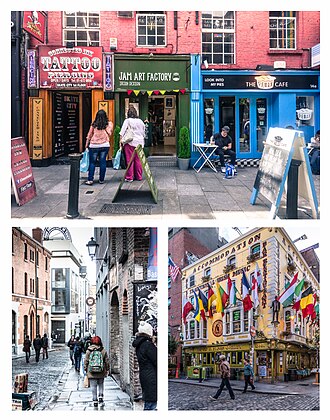
During daylight Temple Bar is lively, but at twilight the square and its offshoot lanes reclaim a quieter, more intimate character. The cobbles retain warmth from the day while the alleys reveal architectural crumbs: hidden doorways, small plaques, and traces of older Dublin life. The reduced noise and directional street lighting accentuate details that daytime crowds can hide.
Atmosphere here is not just theatrical. It is shaped by layers of documented history—trade, theatre, and rebuilding—and by folklore: oral tales passed between locals and pub regulars. Distinguishing the two is part of the pleasure of the trail; this piece will flag which is which at each stop.
How to use this twilight alleys folklore trail: timing, map, access and mobility notes
Best time: arrive as the sun starts to set and the alleys take on a bluish glow. That window—roughly an hour after sunset—gives you both the sightlines of evening and enough light for safe walking.
Plan a simple loop: start at Temple Bar Square, move west toward the Liffey, then thread through Eustace Street and Exchange Street areas before returning. Most alleys are public and accessible, but some narrow courts are uneven and have steps; expect cobbles and occasional low lighting.
Mobility note: if you use a wheelchair, scooter or have limited mobility, stick to the main paved routes and the riverfront. Several narrow lanes have steps or tight turns; consider joining a guided tour that can advise on an accessible route.
Segment 1 — Meeting point to the Liffey: Temple Bar Square, steps and first alleyway stories
Begin at Temple Bar Square. The square itself is modern in function but sits within an older street pattern. As you descend the steps toward the river, pause on the stairwell or the small viewing platforms and listen—street sounds change in direction and tone near the water, which is the reason many of the older stories relate to trade, movement, and the river’s presence.
Documented history: The square and its immediate surrounds were redeveloped over the twentieth century as part of cultural and urban renewal; many buildings now host galleries, performance spaces and small businesses.
Folklore/legend: Locally told tales include accounts of late-night revenants and shadowy figures on the riverbank. These are oral traditions—atmospheric stories meant to explain noises, missteps, or to entertain—and should be enjoyed as such.
Segment 2 — Hidden lanes and narrow courts: Eustace Street, Exchange Street and their tales
Move inland to Eustace Street and Exchange Street—two of Temple Bar’s more tucked-away lanes. Narrow and often lined with small shops and facades, these streets preserve an older scale of Dublin life.
Documented history: Many of the buildings in these lanes were commercial or domestic premises historically; plaques or stonework sometimes mark these functions. Look for physical evidence—lintels, signage remnants, and building façades—that anchors a story in place.
Folklore/legend: Exchange Street, in particular, accumulates trader lore. You’ll hear stories involving lost property, hidden cellars and the odd wandering spirit. These tales are typically rooted in occupational memory rather than verifiable events, and they belong to the living oral culture of the neighbourhood.
Legend vs documented fact: a simple way to tell
When a story names specific events, dates or legal records, treat it as verifiable until you find contradictory evidence. When a story circulates without documentary anchors—passed from person to person, changing in detail—it is folklore. In this guide we mark each stop; for deeper archival or theatre-related after-dark material, you can explore linked resources such as the Abbey Theatre’s Spectral Audience essays at Abbey Theatre’s Spectral Audience.
Notable stops: plaques, historic buildings and pubs with verifiable history and accompanying folklore
As you move through the alleys, look out for small brass plaques and old shopfronts—these are often the best clues to confirmed history. Pubs and theatres will frequently have a paper trail: building records, newspaper references, and preserved interior features.
Example stops to note (and research further if you like): historic façades with engraved dates or names; small memorial plaques on lanes; and longstanding public houses where regulars are likely to recite house stories. For complementary evening routes and historic reading near Dublin’s central attractions, see the GPO 1916 evening guide at GPO 1916: Echoes and After-Dark Stories and the Marsh’s Library night guide at Marsh’s Library Midnight Whispers.
Practical tips for an evening walk: safety, lighting, weather, and respectful folklore listening
Wear sturdy shoes for cobbles and bring a small flashlight or use your phone’s torch. Street lighting in Temple Bar is generally adequate, but many lanes are intentionally dim to preserve atmosphere. Keep to public paths and private entryways closed unless a venue is clearly open to visitors.
Weather can change quickly by the river. A lightweight waterproof layer folds small and keeps you comfortable. If photographing, review a compact guide such as Night Photography Kit for Dublin Ghost Blogging for low-light techniques that reduce reliance on flash and improve atmosphere in your images.
When you encounter storytellers—pub regulars, guides, or performers—listen with respect. Folklore often contains personal variations and local pride. If a story is presented as fact, feel free to ask plainly whether it is a documented event or a local legend; most people are happy to explain the difference.
Self-guided vs guided experience: what you gain booking a Ghost Tour Dublin Experience
Self-guided walks allow flexibility: you can move at your own pace, pause for photographs and linger where you wish. However, a guided Ghost Tour Dublin Experience adds context that is hard to replicate alone—trained guides point out subtle architectural evidence, explain how oral traditions evolved and separate folklore from the documented record in real time.
Guides can also route you around low-light obstacles, provide historical context for nearby attractions, and suggest reading and further walks—such as the Malahide Harbour dusk walk—when you want to extend the experience: Malahide Harbour Dusk Spectres Walk.
Private groups: if you’re planning a tailored evening for a family gathering or corporate group, consider our private tours. Private groups and tailored twilight walks can be arranged to focus on accessibility, period themes, or specific interests; contact us for details at our private bookings page: Private groups and tailored twilight walks.
Wrap-up: staying curious—further reading, nearby attractions and booking information
Temple Bar’s twilight alleys offer a compact window into Dublin’s layered past—architectural fragments, recorded history and the oral stories that give the lanes personality. If you want to deepen the after-dark perspective, explore our recommended evening reads and routes, from theatre tales to library whispers and photographic tips using the links above.
Book the Temple Bar Twilight Alleys folklore trail with Ghost Tour Dublin Experience
FAQ
How long does the Temple Bar twilight alleys folklore trail take?
A typical loop lasts about 60 to 90 minutes at an unhurried pace, allowing time for stops, photographs and short stories. If you linger in pubs, historic sites or take many photos, allow two hours. Guided tours are usually scheduled to fit within this 60–90 minute window.
Is the trail suitable for children or those with limited mobility?
Children can enjoy the walk, especially when stories are tuned to a family audience, but narrow lanes and cobbles require supervision. For limited mobility, select the main riverfront and square routes; some alleys have steps and uneven surfaces. A guided or private tour can plan an accessible route to accommodate mobility needs.
How can I tell which stories are folklore and which are historically documented?
Look for physical evidence and phrasing. If a guide or storyteller cites records, legal actions, or named sources, the account likely has documentary support. Folklore will be more variable in detail and framed as “people say” or “locals tell.” Our guide flags the distinction at each stop and suggests resources if you want to research further.
Do I need to book in advance or can I join a walk on the day?
Walks can sometimes be joined on the day, but evening slots—especially guided and private tours—fill up quickly. For guaranteed availability and specific themes, it’s best to book in advance at Book the Temple Bar Twilight Alleys folklore trail with Ghost Tour Dublin Experience.