
Cold Spots Explained: Scientific Takes on Dublin Haunt Reports
Visitors to Dublin’s older streets and buildings often report brief, localized drops in temperature—so-called “cold spots”—that feel like a touch of the supernatural. These sensations are a mix of physical conditions, human perception, and a rich layer of folklore that makes Dublin nights feel charged. Understanding what people mean by cold spots helps visitors distinguish between documented history, legend, and environmental causes, and it makes night walks both safer and more informative.
Folklore vs documented history: how Dublin legends shape cold-spot reports
Dublin’s streets are full of stories. Folktales about restless spirits, ballads, and oral traditions amplify the emotional atmosphere of a place and can prime visitors to notice sensations they might otherwise ignore. For example, sites with strong oral traditions—church vaults, old hospitals and docks—carry narratives that make an ordinary draft feel meaningful.
It’s important to separate legend from documented history. Documented history comes from archival records, contemporary accounts and verifiable facts about events or people. Folklore and legend are cultural memory: songs, stories and local lore that may reference real events but often add symbolic or supernatural meaning. When visiting a place like St Michan’s Vaults, where both documented burial practices and layered myths exist, readers should consider which elements come from records and which are later additions to the story. For more on the site’s mix of history and myth, see St Michan’s Vaults — Mummies, Myths & Visitor Tips.
Legends also travel and evolve. A waterfront tale told on the Blackrock shore will sound different in a Victorian terrace. To explore seaside legends and how they shape perception, check the Blackrock Seafront Dusk Legends Walk — Route, Folklore & Tour Tips.
Building physics: drafts, thermal mass, ventilation and how old architecture produces sudden chills
Old buildings create the conditions people often interpret as a cold spot. Thick stone walls and heavy timber store and release heat slowly; this is called thermal mass. When you step from a sun-warmed courtyard into a cool, stone interior, your body registers a rapid contrast even if the actual ambient temperature difference is modest.
Drafts are another simple but powerful explanation. Gaps around windows, warped door frames and ventilation shafts can create narrow streams of cooler air. In narrow lanes and alleyways, wind funnels amplify these effects: a gust that would be gentle in an open square can feel like a concentrated chill between buildings.
Stack effect and pressure differences also matter. In multi-story structures, warm air rises and pulls cooler air in at lower levels; old stairwells and poorly sealed openings can produce sudden downward or lateral movements of cooler air that register as a “cold patch.”
Environmental causes: groundwater, damp, and microclimates around docks and stone structures
The urban landscape itself creates microclimates. Areas near the Liffey, canals and older docks often have higher humidity and cooler ground temperatures due to groundwater and the thermal properties of stone quays. Moist stone conducts heat away from the air more efficiently than dry timber or plaster.
Damp walls and cellars hold moisture that evaporates slowly, causing local cooling by evaporation. Basement corridors and vaults—common settings for haunting stories—can therefore be measurably cooler and damper than the street above, producing sensations visitors label as a cold spot.
Coastal breezes and sea spray also shape perceptions along Dublin’s seafronts. If your route includes shoreline paths or quays, expect more sudden temperature changes and localized chills than in central urban streets.
Human perception: expectation, group suggestion, circulation, and how the mind registers temperature changes
Perception plays a central role. Expectation bias means that if you are told a place is haunted, you become more likely to notice ambiguous sensations as evidence. Group dynamics amplify this: one person’s comment about a chill can focus attention so everyone becomes more attuned to small variations.
Physiological factors matter too. Adrenaline from excitement or fear alters skin blood flow and can make you feel colder. Circulation problems, alcohol, fatigue and thin clothing all affect how you register temperature. A person stepping out of a warm bus into a chilly lane will react differently than someone already standing in the open air.
Tools and non-invasive checks: how investigators and guides use thermometers and observations (what tourists can try safely)
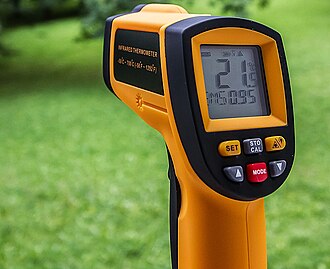
Responsible guides and investigators rely on simple, non-invasive tools: handheld digital thermometers, infrared thermometers and humidity meters. These tools can show whether a reported cold spot corresponds to an actual drop in air temperature or is primarily a subjective experience.
Guides will also use observational checks: looking for drafts around door frames, checking for open vents, noting nearby water sources, and comparing readings across a space to identify microclimates. Tourists can try a few safe, low-cost checks during a night walk: measure with a phone-compatible thermometer app if available, note time of night, listen for running water, and check for gaps or open windows that might explain a draft.
Avoid invasive investigation. Do not move fragile objects, pry open sealed doors, or enter restricted areas. Responsible tourism respects the architecture and history of each site.
Where cold spots are commonly reported in Dublin
Certain types of sites consistently attract cold-spot reports. These are also places with layered histories—both documented and legendary—which intensify subjective experience.
- Churches and vaults: thick stone, underground spaces and long-standing rituals create both real thermal differences and rich folklore. See St Michan’s Vaults — Mummies, Myths & Visitor Tips for a clear example.
- Hospitals and asylums (historic): long corridors, basements and complex ventilation can produce drafts that people interpret as supernatural.
- Docks and quays: groundwater and sea breezes make waterfront locations prone to microclimates. Explore relevant routes with background on folklore at Blackrock Seafront Dusk Legends Walk — Route, Folklore & Tour Tips.
- Victorian houses and terraces: unused chimneys, poorly sealed windows and tall stairwells create stack-effect drafts and thermal contrasts.
- Urban lanes and industrial neighborhoods: places like Inchicore have industrial echoes and narrow streets that shape how cold spots are felt—read more at Inchicore Dusk Trail: Industrial Echoes & Eerie Streets.
Practical tips for visitors: how to test a cold spot responsibly, what to bring on a night walk, and tour-safety advice
Dress in layers. Nights can be colder than they appear, especially near water or in stone buildings. A thin windproof layer and a hat make it easier to interpret real temperature changes.
Bring a small thermometer if you’re curious—many inexpensive models fit in a pocket. A compact torch, comfortable shoes, and a small notepad to record location and conditions will help you compare sensations across places.
If you feel a cold spot, try a quick checklist: is there visible moisture on walls or the ground? Can you see a draft source—an open window, vent or doorway? Are other people reporting the same sensation? Try standing in the spot for a full minute to see if the feeling persists, and compare readings with a nearby “control” spot just a few metres away.
Respect signs and private property, and follow your guide’s instructions. Many of the most atmospheric sites have restricted access for safety and conservation reasons.
Interpreting what you experience: a balanced perspective
Cold sensations are rarely a single cause. In Dublin they typically arise from a mix of environmental conditions, building physics and human expectation layered onto places with long, sometimes tragic, histories. That mix is precisely what makes a guided night walk compelling: you get physical context, historical clarity and the chance to experience a site under expert supervision.
Sound and song also shape atmosphere. Dublin’s folk traditions—ballads and ghost-songs—help narrate the feeling of a place and are part of the emotional landscape. To explore this musical layer, visit Dublin Ghost-Song & Folk Ballad Traditions — Where to Hear Them.
If you’re organising a private group or corporate outing, we can tailor a route with extra context and safety measures—please enquire via our booking page for private bookings at https://www.ghosttourdublin.com/.
FAQ
What actually causes cold spots in old buildings?
Cold spots in old buildings usually come from a combination of thermal mass, drafts, moisture and ventilation effects. Thick stone stores and conducts heat differently than newer materials, and gaps or vents create narrow streams of cooler air. In many cases the sensation is physical rather than paranormal.
Can I test a cold spot myself without special equipment?
Yes. You can use a basic pocket thermometer or a phone-compatible sensor, record humidity and visual clues (damp, open vents), and compare the spot with a nearby control area. Always respect access restrictions and avoid disturbing historical fabric.
Are reported cold spots evidence of ghosts or spirits?
Reported cold spots are not reliable proof of ghosts. They are interesting phenomena that often have natural explanations. Folklore and emotional context influence perception, which is why guided interpretation is useful when assessing such experiences.
When is the best time to experience Dublin’s haunted sites and their cold spots safely?
Evening and early night are popular because the city quiets and temperatures can emphasize contrasts—but safety and comfort matter most. Book a guided walk for local knowledge, dress in layers, and avoid exploring restricted or poorly lit areas alone.