
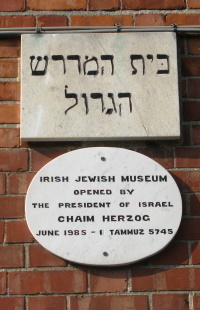
Irish Jewish Museum After-Hours: Histories and Echoes
Visiting the Irish Jewish Museum after dark offers a quieter, more reflective way to engage with Dublin’s Jewish past: the hush of fewer visitors, the soft angles of gallery lighting, and the opportunity to move slowly through objects and stories that mark migration, community life, and faith. This after-hours guide foregrounds what is on the museum’s record, separates that documented history from oral memory and urban folklore, and gives practical tips for respectful evening visits and paired dark-history routes around the city.
Why an after-hours visit?
An evening visit changes the sense of scale. Galleries feel smaller in the best way—intimate and personal. After-hours visits let you linger over photographs, listen to recorded testimonies without background noise, and read labels at your own pace. For many visitors, darkness sharpens attention to texture: the patina on ritual objects, notes on faded documents, and the architecture of a small museum set inside an older Dublin house.
Atmosphere is only part of the reason to go. After-hours experiences often come with a different framing: staff-led evening tours or private bookings can focus on deeper context, answering questions that weekday crowds don’t allow time for. That makes an evening visit especially suitable for dark-history enthusiasts who want to pair careful learning with the evocative mood of night-time Dublin.
What the museum documents: key themes in Dublin’s Jewish history (what’s on record)
The Irish Jewish Museum preserves and documents the everyday life and institutions of Dublin’s Jewish community. On record are community records and personal papers that show migration patterns, businesses and trades, synagogue life, and civic participation. The museum’s collections emphasize domestic life as much as religious practice—family photographs, business ledgers, and first-hand accounts that map social networks and neighbourhood histories.
Recorded history in the museum focuses on verifiable testimony and archival material: immigration and settlement, the rise of shops and trades in particular quarters of the city, and the ways the community adapted culturally and economically. These themes are presented with documentation and contextual interpretation rather than speculation.
Community memories and echoes: oral histories, family stories and where folklore starts
Alongside documents, the museum holds oral histories and family stories. These memories are invaluable: they provide texture, humour, and a human voice that archives alone cannot supply. But oral testimony and folklore are not the same as documentary proof.
How to tell them apart: documented history will be noted as such—catalogued items, referenced sources, or archival records. Oral histories will typically be presented as personal recollections, memories recorded by individuals, or family anecdotes. Urban folklore and legend often grow from repeated retelling, sometimes merging with unrelated local myths about hauntings or dramatic events. The museum ordinarily distinguishes recorded facts from recollection; when you hear a story that sounds atmospheric, ask whether it’s on the record or part of community memory.
After-dark highlights: exhibits, artefacts, and architectural features to look for on an evening visit
Evening lighting can draw attention to tactile elements in the collection. Look for ritual objects—carefully displayed items that speak to private and communal practice. Family photographs and personal letters often read differently at night; the faces and handwriting can feel more immediate.
Notice the building itself. The museum is housed within a period property whose rooms and spatial arrangements help tell a story of domestic and communal life. Small architectural details—door frames, staircases, and the arrangement of domestic spaces—add another layer to the narrative.
If recorded testimonies are available in-gallery after-hours, sit with them. They are among the most direct ways to access lived experience without adding conjecture. Remember to observe signage or staff guidance on handling or approaching any displays, especially those of sacred or sensitive nature.
Sample after-hours itinerary and timing suggestions
Self-guided option (two hours): arrive at the museum in the early evening. Spend 45–60 minutes in the exhibits, prioritising recorded testimony and documentary displays first. Take a 10–15 minute break to sit in a quiet spot and reflect, then return to artefacts and photographs. Finish with questions to staff or a guided pamphlet if available.
Pairing with nearby dark-history stops: After the museum, choose a short walking or tram ride to an evening route. For a coastal dusk walk with local legends, consider the Sandymount Strand Evening Legends Walk — Tides, Tales & Tour Tips. For a longer evening focused on the penal and political past, combine your visit with Kilmainham Gaol Night Stories and Visitor Tips — An Evening Guide. If you prefer seaside dusk folklore, the Blackrock Seafront Dusk Legends Walk — Route, Folklore & Tour Tips is another complementary option.
Guided pairing (3–4 hours): book a small-group evening with an experienced guide to connect the museum’s documented histories with broader Dublin narratives. Guided walks can sequence sites for a logical and atmospheric evening, ensuring transport and timing are smooth.
Practicalities: booking, private after-hours options, photography, accessibility and safety for evening visitors
Booking: many museums welcome private or after-hours visits by appointment. Contact the museum directly to request private evening access or to confirm whether staff-led evening tours are offered. For a professionally led after-hours experience that pairs the museum visit with a dark-history walk, consider booking with Ghost Tour Dublin Experience.
Private after-hours options: some visitors arrange small-group private bookings to study specific collections or to host educational groups. If you require exclusive access, enquire well in advance—museums typically schedule these outside normal opening hours and may limit numbers to protect collections.
Photography: policies vary. Sensitive or sacred objects may be restricted from photography, and some museums ask visitors to avoid flash. Always check with staff before taking photographs, especially during private or after-hours sessions; respectful permission avoids damage and maintains good relationships with the community the museum represents.
Accessibility and safety: evening visits are rewarding but require preparation. Confirm step-free access or lift availability if you have mobility needs. Wear sensible footwear and bring a small torch for street crossings. Dublin’s city centre is generally safe at night, but it’s wise to travel in pairs or groups and to follow local safety guidance. For practical budgeting and transport tips for after-dark routes, see Budget planning for Dublin dark walking tours: affordable tips & sample budgets.
Cold spots and nocturnal sensations: if your interest is in atmospheric phenomena, remember that cold drafts or dim lighting often produce the sensations people describe as “chill” or “presence.” For a scientific perspective on such reports around Dublin attractions, explore Cold Spots Explained: Scientific Takes on Dublin Haunt Reports.
How to book an enhanced evening visit — partnering with Ghost Tour Dublin Experience
Ghost Tour Dublin Experience specialises in small-group and private evening tours that combine documentary visits, local context, and guided walking routes. A paired evening can begin with a reserved after-hours museum visit and continue with a curated dark-history walk that links the museum’s narratives to the cityscape. These combined experiences let you move from documented history into broader cultural and atmospheric layers while remaining grounded in respectful interpretation.
If you need a private-group arrangement, the same booking portal can be used to request exclusive tours or tailored after-hours access for small cohorts. Organisers often request bespoke timing, subject matter focus, or transport logistics; early booking is advised for weekend evenings and public holiday periods. For private-group enquiries, please use the same booking link to indicate your needs and group size.
Respectful behaviour during evening visits
After-hours visits are intimate and should be approached with sensitivity. Treat ritual objects and sacred items with the thoughtfulness you would in any house of worship: observe distance, avoid unnecessary handling, and speak in low tones. If a display includes religious texts, family memorials, or community dedications, remember these are part of living memory for people who may still be in the city.
Avoid turning a museum visit into a spectacle. Dark-history tourism is most meaningful when it foregrounds empathy: listen first to what is documented, then situate local stories and legends as complementary rather than conclusive. Asking staff whether a story is documented or anecdotal is a good rule of thumb.
Final practical checklist for an evening visit
— Check opening hours and reserve after-hours access if needed.
— Confirm photography and handling policies with staff.
— Dress for Dublin evenings—layers and sensible shoes.
— Arrange transport for late finishes and plan your walking route.
— Respect signs and any requests regarding sacred or fragile objects.
— Consider pairing the visit with guided routes such as Kilmainham Gaol Night Stories and Visitor Tips or seaside dusk walks to broaden context.
Book an after-hours Ghost Tour Dublin Experience to pair the Irish Jewish Museum with an evening dark-history walk — for private groups, use the booking page to request tailored evening access and small-group options.
FAQ
Does the Irish Jewish Museum offer after-hours or private evening tours?
Many small museums offer private or after-hours visits by arrangement. Contact the Irish Jewish Museum directly to inquire about staff availability and any conditions for evening access. If you prefer a combined cultural and dark-history evening, Ghost Tour Dublin Experience can arrange paired visits and guided walking routes to complement a museum booking.
What should I expect on an after-hours visit—are all exhibits open and is photography allowed?
Expect that some exhibits may be rotated or restricted for conservation reasons. Photography policies vary—sensitive items or objects with conservation concerns may be off-limits for photos or for flash photography. Always check with museum staff upon arrival, and follow any written guidelines provided for after-hours access.
How can I respectfully engage with sensitive or sacred objects and community stories during a night visit?
Listen to label text and staff interpretation, observe any barriers or signage, and avoid touching displays. When encountering oral histories or family stories, treat them as personal testimony—valuable but distinct from archival proof. Ask staff whether an anecdote is on the record if you want clarity on documentation versus folklore.
Can I combine an after-hours museum visit with other dark-history walking routes in Dublin?
Yes. The museum’s city location makes it practical to pair with nearby evening routes. Consider seaside dusk walks or longer historical night routes; resources such as Sandymount Strand Evening Legends Walk, Blackrock Seafront Dusk Legends Walk, and Kilmainham Gaol Night Stories and Visitor Tips can help you plan a thoughtful evening itinerary. For budget-conscious planning of evening walks, see Budget planning for Dublin dark walking tours: affordable tips & sample budgets.