
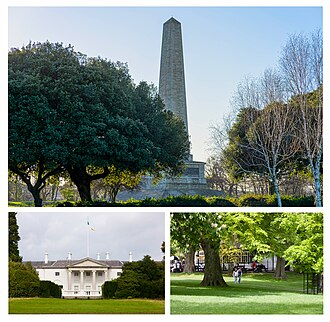
The Georgian quarter at dusk curls the city’s orderly facades into long shadows and narrow pools of amber light. When gas lamps or their modern equivalents begin to glow, the squares and terraces that were once stages for polite society, street crime, political argument and private tragedy open up as a walking landscape of layered stories — some written in archival records, some grown in nighttime rumor. This guide frames the Georgian quarter as an atmospheric dusk-time walking experience that blends verifiable incidents from court and coroner records with later folklore, and gives practical advice for visitors and bookers who want to explore safely and respectfully.
Why dusk? Atmosphere, architecture and why the Georgian quarter invites dark stories
Dusk amplifies the Georgian quarter’s strongest features: uniform terraces of red brick, tall sash windows, discreet alleys and the narrow mews where horses and servants once worked. Light softens the detail on doorways and casts long shadows across cobbles, helping modern visitors see the district as residents and passersby did in the 18th and 19th centuries.
That built environment also records social history. Grand homes, smaller rentals and the hidden service lanes create contrasts that make stories of wealth and decline feel immediate. Dusk draws attention to thresholds — the doors where fate once crossed into private life — and makes the quiet lanes ideal for storytelling that combines documentary history with the thrill of the unknown.
Documented dark history: verified events, social context and archival highlights
Where possible, a responsible dusk walk highlights records that survive in newspapers, court files, coroner’s reports and municipal archives. These documents commonly describe violent deaths, criminal trials, suspicious fires, evictions and the social tensions of urban change — and they are the backbone of the “documented” strand of any good historic walk.
On a route through the Georgian quarter you’ll encounter evidence of such issues in the architecture itself: houses converted into boarding rooms, mews once used for servants and stables, and plaques noting medical practices or legal offices. Rather than sensationalise, a guide can point to the types of records that survive — for example, trial coverage in contemporary papers or coroners’ inquests recorded in local archives — and explain what those records do and do not prove.
Important archival highlights to ask about on a guided walk include accounts of court hearings, official registers, and contemporary press reporting. These sources often reveal social context — poverty, the vulnerability of domestic staff, policing patterns — that helps explain why some houses were sites of recorded tragedy while others became the subject of later rumor.
Local legends vs. records: common tales, how they developed, and clear markers to tell them apart
The Georgian quarter’s ghost stories fall into patterns: misty sightings in the squares, footfalls in locked mews, a weeping figure at a doorway, or inexplicable sounds by an old garden wall. These tales frequently emerge decades after an event and are shaped by guidebooks, local oral culture and the human appetite for a tidy, dramatic narrative.
How to tell legend from record:
- Documented: backed by court, coroner or newspaper records; names, places and outcomes are verifiable in archives.
- Probable embellishment: based on a real event but layered with details (voices, recurring apparitions) that appear in later retellings with no archival backing.
- Legend: no documentary trace; the story exists only in oral accounts, books of local lore or social media and tends to change over time.
On a tour, guides should flag which element of a narrative is documented and which is folklore. For deeper canal-related lore, the Grand Canal Lockhouse Apparitions piece offers an example of how waterways attract stories that mix fact and fiction: Grand Canal Lockhouse Apparitions: A Visitor’s Guide to Dublin’s Haunted Waterways.
A recommended 60–75 minute dusk walking route through the Georgian quarter — stop-by-stop with quick historic notes
This route is compact and paced for dusk light. Expect narrow pavements and the occasional cobbled lane; allow 60–75 minutes including brief stops and photo moments.
Start: Fitzwilliam Square (5–10 minutes)
A formal Georgian square that makes a good gathering place. Notice the uniform façades and raised basements: these basements often housed kitchens and later crowded lodgings. Guides use the square to introduce differences between public elegance and private service.
Stop 2: Mews lane off Fitzwilliam (5–8 minutes)
Explore a short mews to see where servants, horses and tradespeople worked. These lanes are the setting for many legends about late-night footsteps; recorded incidents here are more commonly about accidents or petty crime, as the documentary record shows.
Stop 3: Merrion Row and the terrace façades (10 minutes)
Walk along a terrace and discuss household change: how large houses were subdivided, who lived in them, and what coroner or court records tell us about violence or suspicious deaths in rented rooms.
Stop 4: Merrion Square Park edge (10 minutes)
Parks attract loneliness and rumor. Here, guides often contrast documented cases that appear in contemporary press with the later spectres invoked by Victorian guidebooks. For another dusk-park perspective, see our Iveagh Gardens guide: Iveagh Gardens Dusk Apparitions.
Stop 5: Hidden entrance to a churchyard or small cemetery (10 minutes)
Discuss burial practices, unmarked graves and how forgotten memorials feed legends. Our note on overlooked markers explains this context: Unmarked Memorials: Tracing Dublin’s Overlooked Deaths and Dark Pasts.
Stop 6: Alley leading toward St Kevin’s area (8–10 minutes)
Many tales of weeping women and figures at gateways gather near churchyards and older lanes. Compare those stories with documented church or parish records where available: see guidance in St Kevin’s Churchyard Ghosts: Dublin History, Legends & Visitor Guide.
Finish: A nearby historic pub front or terrace (5–7 minutes)
End where light and warmth meet: a place to compare notes, ask about local sources, and plan an extension to canal or other night walks.
Practical visitor tips: best times, lighting, photography, accessibility and respecting private residences
Best times: Start roughly 20 minutes before sunset and finish within an hour to an hour and a quarter after dusk begins. That window gives you the best blended light for atmosphere and photography while keeping public transport options available.
Lighting: Carry a small torch or use a phone’s low-setting flashlight. Respect public lighting levels and avoid bright lights that spoil the atmosphere for others.
Photography: Low light means slower shutter speeds. Use image stabilisation or a compact tripod if you need crisp shots; otherwise embrace motion blur for moody images. Avoid intrusive flash near private doors or residents.
Accessibility: Many streets have uneven paving and narrow sections. If mobility is a concern, tell your guide in advance or choose a carefully tailored self-guided route that stays on main pavements.
Respect for residents: The Georgian quarter is still a lived-in neighbourhood. Do not enter private courtyards, refrain from knocking on doors for “authentic” reactions, and avoid pointing lights into windows. Keep noise low and stick to public routes.
Guided or self-guided? What you gain from a local guide, ticketing expectations and how to join a reputable walk
Self-guided walks give flexibility and time to linger; they work well if you have background knowledge and a good map. A guided walk brings local expertise: a guide can point to specific archival sources, separate documented fact from folklore, answer questions on social context, and manage route safety after dark.
What to expect from a reputable guided walk: clear prices, limited group sizes, a stated policy on documenting sources (or at least explaining the documentary basis for stories), and a guide who flags whether a tale is verified or legendary. To join an established local operator and benefit from a guide trained in both history and safe walk practices, consider booking with Ghost Tour Dublin Experience: Book a guided Georgian Quarter Dusk Mystery walk with Ghost Tour Dublin Experience — https://www.ghosttourdublin.com/.
Where to extend the evening: nearby pubs, cafes and low-key venues friendly to history-minded visitors
After the walk, you’ll find quiet pubs and cafés along the fringe of the Georgian district — on streets leading to Grafton Street, Baggot Street and the canal — that welcome conversation and gentle late-evening crowds. Choose venues that emphasise low lighting and city history rather than busy tourist bars; ask your guide for current, vetted recommendations.
Responsible visiting: preserving heritage, avoiding sensationalism and leaving no trace
Approach dark history with care. Sensational retelling risks trivialising suffering recorded in archives. Preserve the fabric of the quarter — don’t lean on railings, enter private gates, or disturb plaques and memorials. If you photograph a plaque or an old grave, avoid physical interaction. Leave no trace and model respectful curiosity to others.
For private groups or corporate bookings, contact us directly to arrange a tailored dusk experience that fits accessibility needs and storytelling preferences: https://www.ghosttourdublin.com/
FAQ
Is the Georgian quarter safe to visit at dusk and what precautions should I take?
Yes — the area is generally safe at dusk. Standard urban precautions apply: stay on well-lit public pavements, travel with a companion or group if possible, keep valuables secure, and use licensed public transport for arrival and departure. If joining a guided walk, follow the guide’s safety briefing.
How long is the recommended dusk walking route and is it suitable for families?
The recommended route runs 60–75 minutes. It is family-friendly in terms of walking distance, but content may include mature themes such as death and crime; use discretion for younger children and consider an earlier, shorter family-focused walk.
Do tour guides discuss both documented history and local legends, and how do they distinguish them?
Good guides make a clear distinction: documented history is grounded in court records, newspapers or official registers and is presented as such; local legends are flagged as oral tradition or later embellishment. Ask a guide at the start how they separate and source stories.
Can I do this route on my own or should I book a guided walk with Ghost Tour Dublin Experience?
You can do a self-guided version if you prefer flexibility, but a guided walk adds local knowledge, archival context and safety in low light — and it saves time spent researching sources. To experience the full contextual mix of document-backed history and well-explained folklore, consider booking a guided walk: Book a guided Georgian Quarter Dusk Mystery walk with Ghost Tour Dublin Experience — https://www.ghosttourdublin.com/.