
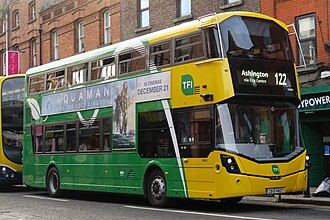
Dublin Bus-Stop Ghost Stories & Late-Night Sightings — Folklore, Eyewitness Reports & Safe Walks
Bus stops are ordinary moments suspended in motion: brief pauses, anonymous encounters and the strange intimacy of waiting. In Dublin, these liminal points—lit by haloed street lamps and flanked by empty shopfronts after midnight—have become fertile ground for ghost stories and late-night sightings. This article reads those stops as folkloric sites: a catalogue of notable reports, a clear separation of verifiable history from legend, and a practical guide for visitors and guides who want to explore these nocturnal narratives responsibly.
Book a Haunted Ghost Tour Dublin walking tour to experience a curated selection of these stories with an experienced guide who balances atmosphere with safety and context.
Liminal spaces and urban folklore — how waiting points breed tales
Liminal places are transitions: thresholds between where we have been and where we are going. Bus stops intensify that feeling. You stand between destinations, often alone, in the half-light of evening. Human memory and imagination are primed in these gaps. Sounds are distorted. Faces are brief and anonymous. When a city has a deep historical consciousness like Dublin’s, these atmospheric conditions encourage stories to form and spread.
Folklorists call such locations “hotspots” for oral tradition. A small incident—an unexplained rustle, a driverless pupil of light on wet pavement—can be retold, embroidered and redistributed by the next person on the bus. Over months and years, the retelling produces a narrative that functions as much as social meaning as it does an explanation.
Notable Dublin bus-stop sightings by area
City centre
The centre of Dublin, with its density of night-time life, produces some of the most frequently reported bus-stop sightings. Near main arteries and theatre districts, witnesses commonly describe unexplained figures that vanish as buses approach, or a sense of being followed that resolves when a vehicle arrives. These reports are often tied to specific late-night closures or the echoing acoustics of pedestrianised streets.
Eyewitness accounts here tend to be brief and emphatic: commuters who felt watched, or who saw an individual in period clothing who seemed out of place. Because the city centre has extensive CCTV and frequent foot traffic, many episodes remain anecdotal rather than documented. That said, the concentration of reports in particular stops shows how social memory clusters around nodes of transit.
Northside
The northside of the Liffey hosts a variety of localised stories tied to older residential streets and tram-adjacent stops. Locals sometimes recount encounters with the uncanny near stops that sit close to derelict buildings or converted industrial sites. These narratives often emphasise uncanny timing—a figure who appears only when the clock strikes a certain hour, or a companion who exits a bus and dissolves into fog.
Many accounts here circulate via neighbourhood groups and late-night workers rather than formal publications. They reflect the northside’s mix of new developments and pockets of older urban fabric where the past seems to press against the present.
West Dublin
West Dublin, with its suburban junctions and quieter night routes, produces reports with a different cast: the lonely stop on a long stretch of road, headlights approaching and a silhouette that disappears in the glare. These stories often come from shift-workers, taxi drivers and late-night students. The sense of isolation amplifies ordinary misperception—tire tracks in rain, a coat blown on a fence—into a ghostly encounter.
Because these stops are less surveilled, eyewitnesses are sometimes reluctant to report; instead, stories spread locally by word of mouth, gaining the hallmarks of folklore as they move through communities.
Coastal approaches and suburban outskirts
Approaches to Dublin along coastal roads and suburban edges are recurring settings for sightings that invoke maritime melancholia: a figure in older dress standing by a shelter, a child waiting long after dusk. These accounts tap into maritime and emigration themes common in Irish storytelling—loss, longing and return. Witnesses frequently describe a powerful sense of anachronism rather than explicit threat.
In these liminal coastal zones, fog and salt-air distort perception, and the border between folklore and personal testimony is especially porous.
Distinguishing folklore from documented history
It is important to separate the atmosphere of a story from verifiable facts. Folklore is a social phenomenon: it tells us how communities process place, memory and fear. Documented history, by contrast, relies on archival records, contemporaneous reporting and corroborated testimony.
For many Dublin bus-stop stories, the historical kernel—if any—tends to be mundane. Accidents, late-night disturbances or urban redevelopment create conditions for stories to form. Newspaper archives and civic records sometimes confirm collisions or policing incidents near stops; however, the supernatural elements of most tales are not documented in objective records. Where a specific event is claimed, look for corroboration in archives or public records before treating it as history.
When presenting stories on a tour, label them clearly: “local legend” or “eyewitness account” rather than asserting them as history. That distinction protects a guide’s credibility and respects the audience’s ability to interpret.
Safety, etiquette and practical tips for late-night visits
Bus stops are public infrastructure; visiting them at night requires commonsense precautions. Choose well-lit routes and avoid isolated stops unless you are in a group. Check the Transport for Ireland schedules and have a backup plan for returning—late-night buses and taxis are more frequent on main arteries than on fringe routes.
Personal safety tips: travel in numbers, carry a charged phone, tell someone your route and expected return time, wear reflective clothing if walking near roads, and keep hands free. For those recording accounts, seek consent before recording or quoting locals; respect privacy and boundaries.
Guides should plan for emergency contingencies and ensure accessibility. Consider using routes that combine bus-stop stories with safer, well-lit streets and public spaces; this reduces risk and keeps the atmosphere intact without courting danger.
How guides and tours can incorporate bus-stop stories ethically and commercially
For tour operators, bus-stop stories are a compelling asset when treated responsibly. Begin by differentiating folklore, eyewitness testimony and documented history for participants. Use evocative language, but avoid presenting unverified claims as fact. Encourage critical thinking: ask your group what elements of the story might have been influenced by light, timing or social bias.
Storytelling tips: frame accounts as first-person recollections, vary pacing, use silence and light to create mood, but avoid staging anything that could alarm passersby. Secure any required permissions if your route passes private property or dormitory areas at night. Keep group sizes manageable for late-night walks and brief stops; large groups attract attention and disrupt neighbourhoods.
Operationally, consult resources like our Insurance & Liability Guide for Dublin Haunted-Venue Operators when building commercial tours. That guide includes essential considerations for public liability, crowd control and local regulations.
Where to learn more: archives, oral-history projects and recommended reading
For visitors and researchers who want to go deeper, combine oral-history sources with archival research. Local libraries and newspaper archives can confirm accidents, road changes and historic routes that feed into folklore. Oral-history projects capture the way stories change over time; they preserve the voice and context that a newspaper clipping cannot.
Supplementary reading and related local topics include pieces on Dublin’s nocturnal oddities and subterranean past, which help place bus-stop tales in a broader urban context. Explore articles such as Night Sightings at Dublin’s National Botanic Gardens Perimeter, Dublin’s Subterranean Tunnels & Cellar Ghost History — Where to Visit, and Victorian Schoolhouse Spectres in Dublin Neighbourhoods — History, Folklore & Where to See Them. For route planning and interpretive materials, see our Downloadable Haunted-Walk Maps in Dublin: Where to Buy & How to Use Them.
Conclusion and recommended night-walk routes
Dublin bus-stop ghost stories and late-night sightings are part of the city’s living folklore. They reveal how people navigate uncertainty, remember loss, and make meaning out of fleeting experiences. For visitors wanting an immersive and safe experience, choose guided walks that prioritise context and safety, and that clearly separate legend from verifiable history.
Recommended beginner-friendly route: a city-centre loop that includes theatre district stops and a few northside crossings—well-lit, frequently patrolled and rich in anecdote. For a moodier itinerary, a coastal approach combined with suburban stops offers a quieter tableau, but only undertake this with an experienced guide and secure transport plans.
Book a Haunted Ghost Tour Dublin walking tour to join a vetted route that includes bus-stop narratives with safety and interpretation in mind. For private groups, bespoke tours are available; enquire at our private groups page to arrange a custom itinerary and permissions.
FAQ
Are the Dublin bus-stop sightings documented or just local legend?
Most sightings are oral testimony and local legend rather than documented events. In a few cases, archival records (for example, police reports or newspaper articles) may corroborate an incident near a stop. Treat supernatural claims as folklore unless you can verify them against independent records.
Is it safe to visit these bus stops at night on my own?
Solo visits to isolated stops at night carry risks. Prefer well-lit routes, travel in groups, tell someone your plan, and use official transport where possible. Guided tours offer a safer alternative because they manage route choice, group size and emergency contingencies.
Can I join a guided tour that includes bus-stop ghost stories?
Yes. Guided tours present stories with context, safety measures and permissions. To book a public walk, Book a Haunted Ghost Tour Dublin walking tour. For private groups, visit our private groups page to arrange a bespoke experience.
How should I behave if I witness something or want to record accounts from locals?
If you witness something, prioritise your safety: move to a lit, populated area and report serious incidents to the authorities. If you wish to record local accounts, always ask permission before recording or quoting someone. Respect privacy, be transparent about your purpose, and never pressure people to recount traumatic events.