
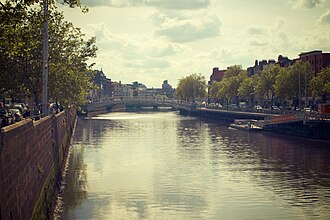
Ringsend Dusk Trail: Canal-side Odd Sightings and Stories — Visitor Guide
Ringsend at dusk is a compact study in contrast: a working canal and dockside tucked up against quiet residential streets, salt air and chimney stacks, the soft click of bicycle spokes and, for some, the uneasy sense that the past is not fully gone. This guide is written for visitors who want to walk the canal at dusk with curiosity and care—mixing verifiable local history with commonly reported odd sightings and the folklore that has grown around them, while offering practical routing, safety and photography tips.
Introduction: Why Ringsend at dusk? Atmosphere, accessibility and what to expect
The light at dusk softens industrial edges and brings out reflections in the Grand Canal and River Dodder confluence. Accessibility is straightforward: Ringsend is a short tram or bus ride from the city centre, and the paths along the canal are largely flat and towpath-style. Expect a quieter atmosphere than the city centre, a mix of walkers, dog-owners and anglers, and pockets of dim lighting that enhance mood but require attention to footing.
Book a guided experience
For visitors who prefer context and company, Book a guided Ringsend dusk walking tour or reserve a private group experience with Haunted Ghost Tour Dublin. Join a small-group dusk walk to hear local history alongside first-hand odd-sighting reports and folklore, all led by experienced guides who know the route and safety considerations. https://www.ghosttourdublin.com/tours/
Ringsend’s canal and docklands — documented history
Documented history: Ringsend’s waterways are part of Dublin’s working maritime and inland transport network. The Grand Canal and the adjacent docks were used for goods and fuel in the 18th and 19th centuries and later adapted through the 20th century as shipping and industry evolved. Much of the built environment—warehouses, quays, lock gates and workers’ terraces—reflects this industrial past. Some structures were repurposed in recent decades as the area shifted towards mixed residential and light commercial use.
When discussing history, it’s important to separate archival facts from later storytelling. Records, maps and municipal documents verify the presence of docks, lock works and industrial employment. These are the verifiable anchors for any account of Ringsend’s past; they also explain why the area attracts stories—old working sites, changing shorelines and the imprint of loss or danger create fertile ground for narrative.
Folklore and later storytelling
Folklore: Over time, ordinary maritime mishaps, tragedies and urban change have been folded into oral tradition. Boat accidents, fires and unexplained disappearances occasionally enter local memory and are retold in more dramatic form. That process—ordinary event to embellished tale—is typical across Dublin; similar transformations happen in places such as Stoneybatter, where alleys and trades become the basis for After-Dark tales, or at Carrickmines Castle Ruins, where history and haunting narratives sit side by side.
Canal-side odd sightings: common reported experiences and likely explanations
Visitors and residents have reported a range of experiences along the Ringsend canal at dusk: fleeting figures on the towpath, sudden drops in temperature, the sense of being watched, or the sound of unseen footsteps. Many reports are anecdotal and unverified, which does not make them uninteresting—only differently useful.
Likely explanations: light and shadow play, sound propagation along water, nocturnal wildlife, and the presence of late commuters or anglers all explain many sightings. Rivers and canals create microclimates and echo effects; a passing cyclist or a boat engine can sound unexpectedly close in the still of dusk. Old brickwork and narrow alleys throw shadows that can look human-shaped at a distance.
Where stories become folklore: when an anecdote is repeated enough, it acquires texture—names, dates, motives—and enters local legend. This is when eyewitness reports become part of the area’s narrative identity. Distinguishing between a documented event (recorded in a newspaper or archive) and a story passed down orally is essential for credible interpretation.
The Ringsend Dusk Trail — step-by-step route and key stops
Length and pace: The trail described here is a flexible 1.5–2.5 kilometre loop best enjoyed over 45–75 minutes at a relaxed pace, allowing time for stops and stories.
Start: Grand Canal Dock junction
Begin where the Grand Canal approaches the docks. This is a practical meeting point with clear sightlines and public transport nearby. The dockside warehouses and the mix of modern and older buildings are a compact primer in the area’s evolution.
Stop 1: The towpath towards Irishtown
Walk east along the towpath. Note brick retaining walls, moored boats and patches of reed. This stretch often produces the most reported odd sightings—shadowed niches, sudden drafts and reflections on the water. Pause at a bench and listen; water amplifies distant sound.
Stop 2: Lock and industrial edges
Where lock structures are visible, take time to identify machinery and waterworks that are part of the documented history. Even if the locks are no longer operating as they once did, their presence helps explain past commerce and the accidents or working hazards that underlie some stories.
Stop 3: Residential quay and alleys
Turn inland to pass small terraces and alleys that meet the water. Respect private property and keep to public paths. These junctions are often the setting for personal recollections that local guides may share—an example of how everyday life becomes narrative.
Finish: Riverside pub or cafe
Conclude at a nearby public house or cafe for a warm drink and debrief. Discuss what you saw, photographically review your images, or simply enjoy the contrast between the water and the town lights.
Safety, timing and local etiquette
Best months and timing: Late spring to early autumn offers longer dusk light and milder evenings. Winter dusk is atmospheric but shorter and colder—plan accordingly.
Lighting and footing: Towpaths can be uneven and slippery when wet. Use a small torch or smartphone light for steps and darker stretches. Wear sturdy footwear and avoid the very edge of quays where the bank may be crumbly.
Respect residents and waterways: Ringsend is a lived-in neighbourhood with people working and living close to the water. Keep noise to a minimum, do not block doors or alleys, and never enter private docks or moored boats without permission. If you see anglers, give them space and be courteous.
Photography and listening: tips for low-light shots and soundscapes
Low-light photography: Use a tripod or steady your camera on a wall to avoid blur. If you only have a smartphone, enable night mode where available and find firm support for longer exposures. Compose with reflections—canal surfaces often double the mood of a scene.
Capturing soundscapes: Record ambient sound in short clips rather than long recordings to respect privacy. Point the microphone away from conversations and towards water or machinery to capture environmental texture. Remember that recording in public spaces has local legal and ethical considerations—avoid recording people without consent.
Recording stories responsibly: If you collect oral accounts, identify yourself and explain how you will use the material. Obtain consent before publishing or sharing. Distinguish in your notes between verifiable facts and personal recollection or folklore.
After the walk: nearby pubs, warming spots and practical visitor info
Warmth and refreshment: Ringsend and nearby Docklands have a mix of pubs and cafes that welcome walkers. These spaces are good for reviewing photographs, asking locals about place-names, or simply warming up after a cool dusk walk.
Transport and toilets: Public transport links to Ringsend are frequent from central Dublin. Public toilets are limited—plan ahead and use facilities in cafes or transport hubs where possible. The towpath route is mostly flat but may not be fully wheelchair accessible in every section; check with a guided operator if accessibility is a priority.
How to join a Haunted Ghost Tour Dublin tour or book a private Ringsend dusk experience
For a guided experience, Haunted Ghost Tour Dublin offers small-group dusk walks that combine documented local history, resident recollections and compiled odd-sighting reports delivered with an atmospheric but evidence-minded approach. Book a guided Ringsend dusk walking tour or reserve a private group experience. https://www.ghosttourdublin.com/tours/
If you are organising a private group, themed event, or a tailored historical walk, consider a private booking to adapt timing, pacing and content to your group’s needs. Reserve a private Ringsend dusk experience for groups and customised itineraries: https://www.ghosttourdublin.com/group-tours-dublin/
If you enjoy contextual walks that link folklore to place, you might also find related routes of interest—Stoneybatter After-Dark explores alleys and forgotten trades, while other regional pieces such as Carrickmines Castle Ruins, Three Rock Mountain and Howth Head expand on the way landscape and story intersect. For heritage projects that blend community memory and funding needs, see guidance on Funding Your Dublin Heritage Ghost Project.
FAQ
Is Ringsend safe to visit at dusk and are there parts to avoid?
Ringsend is generally safe for visitors at dusk when you stay on well-used towpaths and respect private property. Avoid poorly lit side alleys and the very edge of quays, and keep to known public routes. If you feel unsure, join a guided walk—guides know which stretches to avoid and how to manage group safety.
Are the canal ‘odd sightings’ documented or mainly local folklore?
Most odd sightings reported along the canal are anecdotal and belong to local folklore or personal recollection. Some events (accidents, industrial incidents) are documented in public records and help seed later stories. Distinguish carefully between archival fact and orally transmitted tales when interpreting reports.
How long is the typical Ringsend dusk trail and what should I bring?
The typical route described here takes about 45–75 minutes over 1.5–2.5 km at a relaxed pace. Bring a small torch, sturdy footwear, a waterproof layer, a charged phone for photos and navigation, and a willingness to listen. For guided walks, check with the operator about meeting points and provided gear.
Can I book a private group or themed tour for this route?
Yes. Haunted Ghost Tour Dublin offers private group and themed tours that can be tailored for schools, corporate groups or special interests. Reserve private bookings and enquire about custom itineraries at the group tours page: https://www.ghosttourdublin.com/group-tours-dublin/