
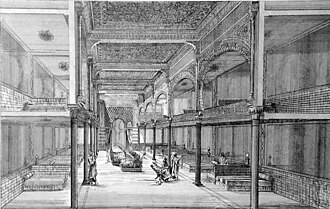
Dublin Workhouse Hauntings: History, Records and Local Legends
There is a particular draw to workhouse histories in Dublin: buildings and burial grounds that once contained desperate lives now attract visitors who want to understand both the factual past and the stories that grew from it. That tension—between archival records and later ghostly imagination—makes Dublin workhouse hauntings: history and legends a subject that rewards careful, respectful exploration.
Workhouse history in Dublin — documented facts from records (18th–20th centuries)
The workhouse system in Ireland developed in response to widespread poverty and changing policy across the 19th and early 20th centuries. Workhouses were institutions intended to provide shelter and basic care to those who could not support themselves, administered by local authorities or unions of parishes. In Dublin, several such institutions served different parts of the city and surrounding counties.
Documentary records for workhouses survive in a variety of forms: admission registers, minute books, medical and death registers, commissioners’ reports and surviving building plans. These records are often held in national or local archives and have been used by historians and genealogists to reconstruct who entered workhouses, why they were admitted, how they were managed and how institutions changed over time.
Origins and administration
Workhouses were typically overseen by boards or guardians who set rules for admission, labour and discipline. In many places the intention was to make the workhouse a last resort—conditions were deliberately austere to discourage what officials called “pauperism.” That administrative structure shaped daily routines inside the gates and influenced how the institutions interacted with the broader city.
Records and what they tell us
Admission and discharge lists can show patterns of migration, family breakup and seasonal need. Medical registers and burial lists demonstrate the impact of disease and high mortality among the poorest residents. While these records are not complete for every institution, taken together they provide a sober, documentable picture of poverty, institutional care, and the demographic realities of the time.
Daily life and mortality: what the archives tell us about conditions and deaths
Surviving workhouse records make clear that life inside could be harsh. Workhouse rules divided people by sex, age and health; tasks were assigned; and infirmaries existed to care for the sick. Records of illness and death—kept by medical officers and clerks—show crowded wards at times of epidemic and elevated mortality among the very young and the elderly.
Although workhouse life varied from institution to institution and over time, the archival evidence repeatedly highlights limited comforts, strenuous labour expectations for those well enough to work and a reliance on institutional provision for food, shelter and medical care. Burial registers and pauper graves, where recorded, confirm that many who died were buried in mass or communal plots, often with few individual markers.
Legends, sightings and oral tradition — clearly marked folklore vs. historical record
Stories about ghosts, hauntings and restless spirits connected to workhouses are a later cultural layer and belong to folklore rather than documentary history. Oral tradition often fills silences left by archives: where registers record a death, later storytellers imagine a lingering presence. Popular motifs—crying children, the sound of chains or invisible footsteps, cold drafts in otherwise warm rooms—repeat across different sites, shaped by local imagination and the wider market for dark tours and ghost stories.
It is useful to separate the documented from the speculative. What archives can confirm are admissions, illnesses, burials and institutional practices. What folklore adds are narrative details and personal imaginings that explain suffering through a supernatural lens. Both are valuable: records provide context and evidence; folklore tells us how communities remember and narrate the past. For guided night-walks that mix both responsibly, see our Cabbage Garden After‑Dark: Legends, History and Night‑Walk Tips and the Phibsborough Dusk Folklore Trail: Evening Walks & Local Legends.
Notable Dublin workhouse-related sites today and what remains to see
Many original workhouse buildings have been altered, repurposed or demolished, but traces remain across Dublin in architecture, street names and burial grounds. Visitors may encounter the following types of remnants:
- Burial grounds associated with pauper interments. These sites may be small municipal plots or larger graveyards that have become green spaces within the city—Cabbage Garden is one example where layers of history are visible on a walk.
- Surviving blocks and wings repurposed as hospitals, schools or social housing. Where these buildings remain, the exterior façades or internal layouts can hint at their institutional past.
- Street-level evidence—placenames, plaques and local museum displays—preserve fragments of stories connected to former workhouse sites.
For visitors interested in related folklore beneath Dublin’s churches or in atmospheric urban corners, our Hidden Vaults and Church Crypt Trails: Folklore Beneath Dublin’s Churches and Haunted Bookshops & Bibliophile Ghosts in Dublin both offer routes that complement workhouse-focused visits.
Visiting responsibly: preservation, sensitivity, permissions and photography
Workhouse history concerns people who lived in poverty, illness and often anonymity. Treat sites and burial grounds with respect. Practical guidelines include:
- Observe site signage and follow local rules. Many former workhouse buildings are privately owned or in use; do not trespass on private property.
- Where burial grounds exist, keep to paths, avoid disturbing markers and do not remove or relocate stones or artifacts.
- Ask permission before photographing interiors or private spaces. Even in public areas, be mindful of other visitors and of sacred aspects of some sites.
- Use guided tours or contact site managers when in doubt; professional guides can provide access to safe vantage points and offer a historically grounded narrative.
Where to experience these stories: Ghost Tour Dublin Experience routes, practical tips and booking information
Ghost Tour Dublin Experience offers routes that combine documented history with local folklore in a way designed to be informative and sensitive. Our walks include evening and dusk options that visit burial grounds, lanes and façades associated with institutional poverty, and they carefully flag where a story is a record-based fact and where it belongs to oral tradition.
Practical tips for joining a tour: book in advance to secure a spot, wear weather-appropriate footwear and clothing, and anticipate uneven pavements and dim lighting on evening routes. Tours vary in length and intensity; some routes are family-friendly while others are recommended for adults because of late hours or more graphic narrative material. For full route descriptions, consider our Phibsborough Dusk Folklore Trail and the other themed walks on our site.
If you are organising a private group, school visit or research excursion, we offer tailored options—please get in touch to discuss private bookings and group arrangements: Private group booking information.
FAQ
Are the workhouse hauntings in Dublin historically documented or just folklore?
Workhouse records document admissions, illnesses, deaths and burials; they do not document ghosts. Hauntings and sightings are part of later folklore and oral tradition. Good tours distinguish clearly between what is recorded in archives and what is a story developed in community memory or popular culture.
Which surviving Dublin workhouse sites can I visit today, and are they safe for evening tours?
Many original workhouse buildings have been repurposed, but public remnants—such as burial grounds and exterior façades—are visitable. Safety for evening tours depends on the route: reputable operators will choose well-lit, legally accessible paths and warn about uneven paving. Always book through an established provider like Ghost Tour Dublin Experience to ensure safe, permitted access.
How do guided tours handle sensitive topics such as poverty, sickness and death?
Responsible guides use archival evidence and respectful language when addressing suffering. Tours that mix folklore with history will explicitly label speculative material as legend and present documented facts alongside contextual interpretation. If you have specific sensitivities, contact the operator in advance to choose an appropriate route.
Do I need to book in advance and are these tours suitable for families or children?
Advance booking is recommended, especially for evening or themed walks. Some routes are family-friendly and focus on history and folklore in an age-appropriate way; others are designed for adult audiences due to late hours or more graphic subject matter. Check the tour description and ask the operator if you are unsure about suitability for children.