
Ballybough Night Tales: A Walking Guide to Inner‑City Folklore — Ghost Tour Dublin Experience
When the city lights thin and the Tolka’s current glints under old stone bridges, Ballybough reveals a quieter, stranger face. Narrow streets and overlooked corners hold stories told in pubs, doorways and schoolyards — some remembered from old records, others passed along as oral warnings, amusements or memory-keepers. This guide walks the seam between documented history and living legend, offering a safe, atmospheric route to experience Ballybough after dark and to understand the roots of the tales you’ll hear.
Understanding folklore vs. history: how to tell oral tales apart from recorded events
Folklore in Ballybough arrives in conversations: a voice by the hearth, a late-night storyteller, a pub regular correcting a visitor. These tales exist to explain the strange, to entertain or to keep memory alive. History, by contrast, sits in archives, property records, newspapers, and the fabric of surviving buildings.
When you encounter a night tale, ask whether it refers to a recorded person, court case, architectural change, or map feature. If not, treat it as oral tradition: compelling and culturally important, but not always verifiable. This distinction matters for visitors: legends are part of the atmosphere; documented events anchor the story in place.
Signature night tales of Ballybough — six local legends and the landmarks linked to them
1. The Bridge Lantern
The image: a lone lantern bobbing along the river at odd hours, seen by a handful of residents over decades. Folklore: some say it guides lost travellers; others claim it marks a drowned memory. Status: oral legend. The best vantage is the old bridge where streetlights throw reflections; keep to the well-lit footpaths.
2. The Whispering Row
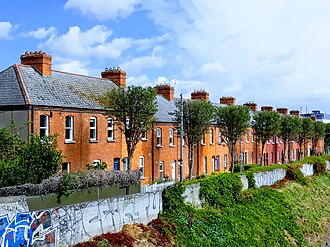
Along one narrow terrace, passersby have long reported a low, conversational hum when the wind is right. Folklore: neighbours tell of a vanished coach stop and repeated conversations from another era. Status: oral tradition likely shaped by soundscape and architecture rather than any single documented event.
3. The Caretaker’s Key
A story popular with local children concerns a caretaker who locked up the school with a key that never seemed to rust. Folklore: the key turns without effort during certain nights. Status: local legend that grew from tales about the old school; the building itself is a documented anchor in the streetscape, though the supernatural elements are oral.
4. The Factory Whistle
Older residents recall a silence broken by an off-hour whistle long after a mill closed its gates. Folklore: some believe the sound is a ghostly shift change. Status: partially documented — there were factories and warehouses in the quarter; the phantasmal timing is folk attribution rather than archival record.
5. The Soldier on the Corner
A uniformed figure is said to appear at a particular junction on foggy evenings. Folklore: he guards a secret or remembers a lost battle. Status: legend. The corner itself sits near buildings with military connections in the wider city history, but the apparition is an oral motif.
6. The Midnight Shopfront
A shuttered merchant’s window is credited with odd changes: displays rearranged by themselves, small items moved to a different side of the sill. Folklore: playful spirits or a trickster in the neighbourhood. Status: folklore; the shopfront may be a historically documented premises, yet the nocturnal rearrangements belong to oral tale.
Historic anchors: documented events, buildings and records that shaped the stories
Ballybough’s physical story is visible in surviving terraces, bridges and the grid of streets that shaped working‑class life. Industrial activity along the Tolka and the presence of schools, churches and small shops provided a framework for later stories. When you stand before a masonry bridge or an old school façade, you’re looking at a documented anchor: its existence appears in maps, property records and municipal notes even when the specifics are not on display here.
Always look for plaques, engraved stones and conservation signs. Those are quick cues that a site is historically recorded rather than purely legendary. If a tale references a named individual or a specific municipal action, treat it as potentially historical and, if you want verification, consult archival resources or ask a guide who knows where to look.
Suggested 60–90 minute walking route: where to start, turning points and photo spots
Start where the quarter opens up to the river — a bridge or riverside footpath gives immediate atmosphere and useful orientation. From there, follow a loop that keeps to main footways, crosses to a narrow terrace with closely spaced front doors, and returns via a quieter back lane to pick up a skyline view toward the city lights.
Key turning points: the riverside bridge (good for low-light water reflections), the narrow terrace (intimate acoustics and the Whispering Row), the old school façade (documented anchor), and a raised pavement or small park for a skyline photo. Plan a clockwise route so streetlights fall behind you for low-light photography, and pause on bridges for long-exposure shots of rippling reflections.
Allow 60 minutes for a focused walk with deliberate pauses at the six tale locations. Up to 90 minutes adds relaxed stops: a longer photograph session, a brief chat with a local at an open doorway, or standing quietly to listen for the ambient sounds that inspired many stories.
Practical visitor info: safety, lighting, transport, permissions and best times to go
Safety is straightforward if you stay on public footpaths, avoid poorly lit shortcuts and keep belongings discreet. Ballybough is an inner‑city quarter where normal urban precautions apply: travel in small groups if possible, use well‑lit streets and check transport options for the return journey.
Lighting varies. Main streets have decent sodium or LED lamps; side lanes can be dim. A small torch or a reliable phone-light helps for steps and uneven paving. Wear comfortable shoes with good grip for damp cobbles or side streets.
Public transport serves the wider area; check late-hour timetables before you go. If photographing from private forecourts or gardens, obtain permission first. The best window for atmosphere is after civil dusk but before very late hours — roughly the first two hours after sunset — when sound carries and the quarter retains a sense of life without the day’s bustle.
Where to eat, drink and linger: nearby pubs, cafés and businesses that complement a night walk
A night walk is best paired with a warm stop: a local pub with pewter lights and long wooden benches, or a late‑opening café where you can compare notes and hear a few live recollections. Businesses in adjacent neighbourhoods often stay open later; if you want to browse atmospheric wares afterward, consider small independent shops in neighbouring quarters that collaborate with local guides to offer dark‑history merchandise.
If you enjoyed the mood of Ballybough and want to compare other districts, explore related walks such as Grand Canal Dock Nocturnes: Modern Hauntings of Dublin’s Silicon Docks or the Rathmines Shadow Walk — Local Ghost Lore, History & Night‑Walk Guide for different atmospheres and times of night. For green spaces after dark, the Iveagh Gardens After‑Dark Mysteries guide captures a different kind of nocturnal mood, while coastal visitors may prefer the Blackrock Park Ghost Trail: Visitor Guide to History & Legends.
Join a guided experience: why a local guide adds depth and how to book
A local guide brings two things you can’t easily get alone: context and care. Guides can distinguish between documented events and living folklore on the spot, point out details invisible to untrained eyes, and adapt the route to lighting and weather. They can also answer questions about local businesses and advise on transport and permissions for photos.
Book a Ballybough Night Tales walk with Ghost Tour Dublin Experience to join a scheduled public walk or to enquire about private groups. Guided walks are especially useful if you want the historic anchors explained alongside the tales, or if you prefer a company that handles safety and route planning.
For private group bookings and custom nights, including school groups or corporate evenings, we can arrange focused itineraries and special access where permissions allow. To arrange a private tour tailored to your group, contact our private bookings team at the same booking page for details and availability.
FAQ
Is Ballybough safe to visit at night for independent walkers?
Yes, with ordinary urban precautions. Stick to illuminated streets, avoid deserted shortcuts, travel in small groups if possible and check transport options in advance. If you’re unsure about an area, join a guided walk where a local guide manages the route and safety considerations.
How long is the suggested Ballybough night-walk and what footwear should I wear?
The recommended loop takes 60–90 minutes depending on stops. Wear comfortable, supportive shoes with good grip; streets and pavements can be uneven or damp at night. Dress in layers for changing temperatures and bring a small light for steps and alleys.
Which Ballybough tales are historically documented and which are oral legend?
Documented elements include buildings, bridges and municipal records that anchor the quarter’s history. The atmospheric elements — lanterns, whispering rows, ghostly apparitions and rearranged shopfronts — are oral legends. We flag each story in this guide as either documented (architectural or archival anchor) or folklore/legend (oral tradition).
Can I join a Ghost Tour Dublin Experience focused on Ballybough and how do I book?
Yes. To join a public Ballybough walk or to arrange a private group booking, please Book a Ballybough Night Tales walk with Ghost Tour Dublin Experience through our main booking page. Private group inquiries can be arranged via the same site for tailored itineraries.