
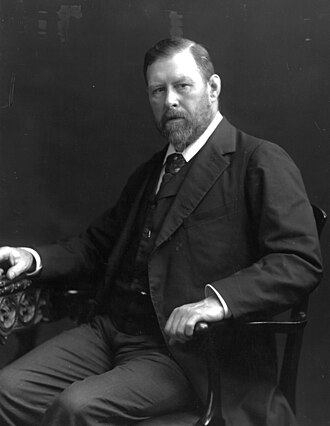
Bram Stoker’s name is tied forever to Dracula, but Dublin’s role in shaping his imagination is a mix of provable connections and local lore. This guide focuses on lesser‑known Dublin places that fed the cityscapes, atmospheres and bookish echoes in Stoker’s work. For each stop I separate what’s documented—people, addresses, institutions we can trace—from folklore and plausible influence so you can visit with both curiosity and a critical eye.
Method: How we distinguish documented links from folklore and plausibility for tour visitors
When we say “documented,” we mean evidence that links Stoker directly to a place or person: census records, employment records, contemporary press references, published correspondence, or reliably dated addresses. “Folklore” covers stories that arose later—local ghost tales, oral tradition, or associations made decades after Stoker’s life without primary evidence. “Plausible influence” is the middle ground: places Stoker is known to have frequented, or environments that existed in his lifetime and match motifs in his writing, but without a smoking‑gun reference.
That distinction matters on a walking tour. Folklore is often the most atmospheric material for storytelling, but we label it clearly so visitors know when they’re hearing a verifiable fact and when they’re getting evocative local colour.
Trinity College Dublin — Stoker’s documented Dublin connections and what to see there
Documented: Bram Stoker worked at Trinity College as a theatre critic and drama lecturer later in life; he also knew figures connected to the college through Dublin’s literary and theatrical circles. Trinity’s examination rooms, the College Green frontage and the old playrooms would have been familiar backdrops to the city’s Victorian cultural life.
What to see: Walk the Trinity perimeter to appreciate sightlines Stoker knew—Grafton Street and College Green. The old Examination Hall, the Theatre space (where public lectures and dramatic readings took place), and the statue‑lined paths retain the institutional atmosphere that shaped Dublin’s public life in Stoker’s time. These are documented ties to the social and theatrical Dublin that Stoker moved in, even if there’s no single line in his notes saying “I wrote X here.”
Marsh’s Library & St. Patrick’s Quarter — bookish spaces and atmospheric influences
Plausible influence: Marsh’s Library, close to St. Patrick’s Cathedral, is often invoked in Stoker‑themed tours because it embodies the vellum‑and‑lamplight study we picture in Gothic fiction. Stoker had clear ties to Dublin’s learned institutions and to the networks of clergy, lawyers and antiquarians who used places like Marsh’s. But no direct record places Stoker inside Marsh’s Library on a particular date or quotation.
What to see: The narrow lane to Marsh’s, the reading rooms and the dim stacks convey an ambience consistent with a late‑Victorian fascination with rare books, which mattered to a writer and theatre manager. Nearby St. Patrick’s Quarter—with its churchyard, narrow alleys and layered architecture—offers the kind of atmospheric setting that plausibly fed Gothic details in an author who lived much of his life in Dublin’s streets and theatres.
St. Michan’s Church & vaults — mummies, local lore, and Gothic imagination
Folklore and plausible association: St. Michan’s vaults are famous for their mummified remains and the chilling stories told about them. Stoker never wrote explicitly that these vaults inspired any scene in Dracula, and there’s no documentary proof he visited them. Yet St. Michan’s is frequently linked in popular accounts to Stoker because its visceral Gothicism matches the imagery in many Victorian ghost stories and novels.
What to see: The vaults are accessible via guided tours run by the church. Visitors should treat the sensational tales—bloodless mummies, whispered curses—as part of local folklore. They do, however, show the kind of tangible, physical horrors that would have been available to a writer soaking in Dublin’s darker corners.
Victorian cemeteries and funeral culture (Glasnevin and others) — social context that fed Gothic themes
Documented social context: The funerary customs, mourning dress, and cemetery design of Victorian Dublin are well documented, and Stoker lived through a culture where death was public and ritualised. Glasnevin Cemetery, while post‑dating some of Stoker’s earliest life, reflects the commemorative landscape he knew as a Dubliner. Records and contemporary descriptions of funerary rites provide the social facts.
Why it matters: Gothic literature draws on funerary spectacle—monuments, mourning rituals, the prominence of public cemeteries. When visiting Glasnevin or smaller churchyards, look for the carved iconography and family plots that formed part of the visual language available to late‑19th‑century writers.
Dublin’s hidden alleys and Georgian streets — urban textures Stoker would have known
Plausible influence with documented overlap: Stoker’s Dublin was a city of narrow lanes, Georgian crescents and busy thoroughfares. Many details, such as gaslit alleys, tenement courtyards and the claustrophobic passages of older quarters, are features documented in contemporary accounts of Dublin life. While we can’t always say “Stoker stood here,” the city’s urban textures are crucial for understanding his descriptive palette.
Where to look: Wander off Grafton Street into the small passages around Temple Bar and the Liberties. For a deeper dive into the darker domestic spaces that shaped popular imagination, read our piece on Haunted Tenement Rooms in The Liberties — A Visitor’s Guide to Dublin’s Dark Homes and the Temple Bar Alleyway Ghost Stories: A Visitor’s Guide to Dark Dublin for complementary routes and tales.
Self‑guided route and practical tips
Compact route (walking, 2–3 hours depending on stops): start at Trinity College Green, cross into Temple Bar alleyways, head south to Marsh’s Library and St. Patrick’s Quarter, then a short walk west to St. Michan’s. Finish with a reflective stroll through a Victorian cemetery or a Georgian square nearby.
Best times: Early morning or late afternoon provide softer light and fewer crowds. For vaults and church interiors check opening hours—many sites have limited visiting times or require guided entry.
What to bring: comfortable shoes, a compact torch for darker vaults (where allowed), weatherproof layer, and a notebook if you like recording atmospheric details. Respect signs and staff—some spaces are active places of worship or heritage sites with restricted access.
What to expect on a Haunted Ghost Tour Dublin Bram Stoker walk
Sample itinerary (90–120 minutes): an expert guide opens with documented facts about Stoker’s life in Dublin, then moves through plausible influence sites—Trinity’s theatrical corners, bookish lanes by Marsh’s, the atmospheric exterior of St. Michan’s—interleaving verifiable history with clearly labelled folklore. You’ll hear the archival facts, the oral traditions, and why we separate them, plus suggested reading and where to look if you want to follow up.
Why book a guided tour: A trained guide points out architectural features, reads contemporary descriptions aloud, and helps you parse a legend from an archival fact. For a longer, private experience—suitable for schools, corporate groups or dedicated Stoker fans—see our private groups option.
Book a private Bram Stoker tour for your group: https://www.ghosttourdublin.com/group-tours-dublin/
Practical notes: accessibility, photography, and separating myth from fact
Accessibility: Many historic interiors (vaults, narrow library rooms) have limited wheelchair access. Check site pages or call ahead. Outdoor streets and Georgian squares are generally navigable but watch cobbles and uneven paving.
Photography: Most exteriors and public streets are fine for photos. Interiors such as Marsh’s Library or church vaults often have photography restrictions—ask staff. Be sensitive in churches, cemeteries and places of worship.
Separating myth from fact: If a story claims Stoker wrote a specific line in a specific Dublin lane, ask for the source. We aim to flag folklore clearly on tours and in our materials: enjoy the spooky tales, but treat them as atmosphere unless a primary source backs them up.
Ready to explore with an expert? Discover these Bram Stoker sites with a guided Haunted Ghost Tour Dublin walk — book now: https://www.ghosttourdublin.com/tours/
FAQ
How much of Dracula and Stoker’s other writing was inspired by real Dublin places?
Short answer: some elements are grounded in the social and urban textures of Dublin—its theatres, reading rooms and public rituals—but there is no simple one‑to‑one map from Dublin addresses to scenes in Dracula. We differentiate documented connections (where Stoker’s activities in Dublin are recorded) from plausible atmospheric influences and later folklore that associates particular buildings with the novel.
Are the sites mentioned open to the public and do I need tickets?
Many exteriors and public squares are freely accessible. Interiors such as Marsh’s Library, St. Michan’s vaults and some museum or church areas may require tickets, timed entry or guided access. Check each site’s current visiting information before you go; on our tours we handle bookings and entry where necessary.
How long is a Bram Stoker-themed walking tour and what level of fitness is required?
Typical guided walks run 90–120 minutes on mostly flat urban terrain. You should be comfortable walking for that period; breaks and seating are included at some stops. We can tailor pace for slower groups on private tours.
Can you arrange a private Bram Stoker tour for groups or schools?
Yes. We offer private and bespoke tours suitable for schools, corporate groups and special events. For details and group bookings see our private groups page: https://www.ghosttourdublin.com/group-tours-dublin/