
Clonskeagh Manor Whispers and Local Legends: History, Folklore & Visitor Guide
Clonskeagh Manor has long been one of Dublin’s quieter mysteries: a suburban estate that sits close to busy roads yet seems to keep its own private past. Visitors report a strong sense of history around the surviving buildings and the tree-lined boundary that separates the site from surrounding housing. This guide sorts the documented estate history from the local folklore that grows up around it, offers practical visitor advice, and explains how to join a guided Ghost Tour Dublin Experience that includes the Clonskeagh Manor whispers.
Book the Clonskeagh Manor Whispers & Local Legends tour with Ghost Tour Dublin
Documented history
When we speak of documented history, we mean estate records, land registers, maps and contemporary newspapers — material you can verify in municipal archives or the national collections. For Clonskeagh Manor these sources indicate the site developed as a private country house and estate tied to the suburban expansion of south Dublin. Estate maps and title deeds show changes in parcel boundaries and ownership over time. These legal records also make clear when parts of the land were sold for housing or public use.
Documented events include property transactions, recorded alterations to the principal house, and planning permissions lodged with civic authorities. Local newspapers of the period and municipal minutes can illuminate disputes over access, changes to roads, or complaints about land use. These are the kinds of records researchers rely on when reconstructing the manor’s tangible past.
What documentation tells us
The available documentation tends to confirm the site’s use as a private residence and working estate rather than as a public building or institutional site. Where folklore later attaches dramatic incidents — tragic deaths or hidden rooms — the archival record is often silent or records only mundane legal matters. That silence does not disprove oral accounts, but it does change how historians weigh them.
Buildings and landscape: what survives
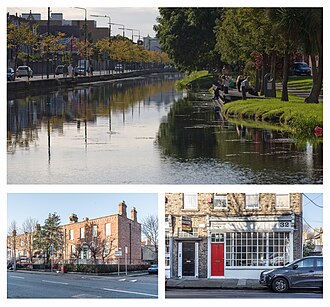
On the ground today visitors will often find fragments: sections of boundary walls, the footprint of service buildings, mature trees that predate the surrounding housing, and remnants of driveways. Historic maps can be read alongside modern satellite imagery to identify where the manor house stood relative to surviving lanes and hedgerows.
Walking the site with a map in hand makes the transformation visible. Many suburban estates were partially absorbed by housing developments; driveways became streets, entrance pillars were removed or relocated, and garden layouts were truncated. Reading those layers helps visitors understand what is original and what is later infill.
How to read the site
Look for differences in materials and construction: older stone walls and cast-iron gates contrast with modern brickwork. Tree species and spacing sometimes indicate old garden layouts. Where possible, consult a historic map or a planning archive before visiting; that context makes surviving features far more meaningful.
Local legends and oral traditions (clearly flagged as folklore)
Folklore around Clonskeagh Manor is rich and varied. Local stories often speak of whispering corridors, a persistent cold spot in one section of the grounds, or the image of a lone figure seen at dusk. These accounts mostly derive from oral tradition — conversations, family tales, and local storytelling rather than official records.
Common themes in the folklore include:
- Haunting by a former resident or caretaker whose presence is described as melancholy rather than hostile.
- Mysterious lights or shadows seen from the lane at night.
- Stories of lost items found in unexpected places on the property, which are told as signs of lingering attachment to the household.
These narratives are valuable as cultural expressions: they tell us how local communities relate to place, memory and change. They are not, however, evidence of physical events unless supported by independent records.
Separating folklore from fact
Distinguishing documented history from folklore requires sober methods. Historians look for primary sources: deeds, wills, census entries, newspapers, and photographic records. Oral accounts can suggest avenues for research but must be corroborated.
Key practical steps include visiting local archives, consulting historical map collections, and checking land registry entries. Researchers should also note the limits of those sources: absence of a record does not always mean an event did not occur, especially for personal incidents that never entered official channels.
For visitors and amateur researchers, a healthy approach is to label stories clearly: call something folklore when it relies predominantly on oral transmission, and call it documented when supported by archival material. This guide follows that approach.
Reported sightings and visitor anecdotes — how to treat unverified claims
Visitor anecdotes are an important part of the contemporary story, but they are unverified by nature. When someone reports a sighting or an odd sensation, it tells you about their experience and the manor’s continuing emotional power. It does not, on its own, establish historical fact.
Treat these narratives as subjective data. They can be recorded, compared and catalogued. Patterns may emerge — a consistent description of a sound or sense of cold in a particular area, for example — that could suggest a physical explanation such as drafts, animal activity, or uneven ground. A responsible guide differentiates eyewitness claim from provable event and invites visitors to draw their own conclusions.
Practical visitor guide
Access: Clonskeagh Manor and its immediate grounds are often adjacent to private property. Before planning a visit, check access routes and ownership status. Respect private land and avoid trespassing. Many people explore the public footpaths and lanes that offer good vantage points without infringing on private gardens.
Etiquette: Keep noise to a minimum, close any gates you pass through, leave no trace and be courteous to local residents. If you encounter a resident, be respectful — curiosity should never become nuisance.
Best times to visit: Dusk and early evening are when folklore feels most atmospheric, but for photography and site-reading daylight is preferable. Weather can influence sensations and the visibility of landscape features; avoid muddy conditions if you plan to walk peripheral grounds.
Safety and accessibility: Paths around the manor may be uneven and can include roots, low stonework and hidden dips. Wear suitable footwear and bring a torch if you are out near dusk. Accessibility is limited in places; if you have mobility concerns, plan a route that sticks to main pavements and avoid steep or unmaintained lanes.
Join a guided experience
A guided Ghost Tour Dublin Experience helps visitors understand how folklore and history intersect at sites like Clonskeagh Manor. On a guided visit expect a measured approach: the guide will point out documented features, share local stories clearly labeled as folklore, and invite questions. Tours are designed to be atmospheric without overstating claims.
Guided tours also offer practical benefits: safe group movement, local knowledge of the best vantage points, and context that links the manor’s story to wider suburban histories. If you prefer a private group, Ghost Tour Dublin can arrange tailored experiences for parties and corporate groups — enquire directly for details and availability.
Book the Clonskeagh Manor Whispers & Local Legends tour with Ghost Tour Dublin
If your group needs a bespoke booking option, contact us to discuss private groups and tailored itineraries at the same booking page.
For readers interested in related suburban stories, you may also enjoy our other guides: Portobello canal-side hauntings, Rathgar at Dusk, St. Catherine’s Church, and the South Circular After-Dark Lanes Trail.
FAQ
Is Clonskeagh Manor open to the public or is it on private land?
Clonskeagh Manor is primarily on what was historically private estate land. Portions of the surrounding area may be publicly accessible via footpaths and lanes, but parts of the site remain private. Always check local access rules and avoid entering fenced or clearly private areas without permission.
Which parts of the ‘whispers’ are supported by historical records and which are folklore?
Supported elements are typically the estate’s existence, ownership transfers, and documented changes to buildings and land use — material you can verify in archives and land registries. Whispered stories about apparitions, cold spots, or specific tragic incidents usually come from oral tradition and should be treated as folklore unless corroborated by primary records.
Are guided tours available specifically for Clonskeagh Manor and how do I book?
Yes. Ghost Tour Dublin offers guided experiences that include Clonskeagh Manor as part of a suburban-history and folklore itinerary. To book a scheduled tour or arrange a private group visit, please visit: Book the Clonskeagh Manor Whispers & Local Legends tour with Ghost Tour Dublin.
What should visitors know about safety, photography and respecting local residents?
Wear sensible footwear and be prepared for uneven ground. Use lights responsibly at dusk and avoid flash photography in residential areas that could disturb occupants. Always respect private property and local residents: keep noise low, close gates, and follow posted signage. If in doubt, join an organised tour which negotiates access and ensures a respectful, informative visit.