
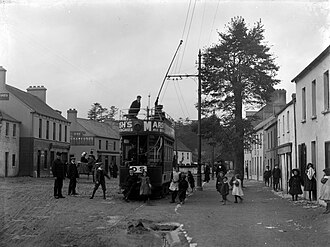
Donnybrook at dusk unfurls differently from the busy daytime streets: the buzz of markets softens, lamp-glow picks out old stone and brick, and a short, accessible heritage walk reveals a neighbourhood shaped by churches, fairs, pubs and riverside trades. This article guides you through a six-to-eight stop dusk trail that balances documented history with the folklore that grew around it—clearly marking what local stories claim and what archival records support—so you can enjoy an atmospheric evening walk without mistaking legend for fact.
Book a guided Donnybrook dusk walk with Ghost Tour Dublin Experience
Documented Donnybrook: Key facts that shaped the district
Donnybrook’s identity grew around a parish centre, a fair and market traditions, and a network of pubs and trades that served surrounding communities. Churches and parish records have left enduring traces: places of worship, burial grounds and civic registers offer the clearest documentary trail.
Markets and fairs are historically important to Donnybrook’s reputation. While the original fair no longer runs, its influence survives in street patterns and local place names. Public houses and coaching inns were practical nodes on longer journeys; many buildings still carry the footprint of hospitality and commerce.
Donnybrook’s riverside and green spaces shaped local industry and leisure. The proximity to waterways helped trades and transport, and over time those edges became settings for both community life and, later, the stories that feed local folklore.
Trail map: A simple dusk walking route (6–8 stops)
This route is circular and designed for an easy-paced evening walk of about 60–90 minutes depending on stops. Allow extra time for photos or a drink at the end.
- Start: Parish churchyard (meet point) — 5–10 minutes
- Stop 2: Former fairground/market green — 10–12 minutes
- Stop 3: The old coaching-pub frontage — 8–10 minutes
- Stop 4: Riverside edge/stream side — 10–12 minutes
- Stop 5: Small burial ground or memorial wall — 8–10 minutes
- Stop 6: Victorian terrace with local lore — 8–10 minutes
- Optional Stop 7: Lane or yard with surviving tradesmen’s marks — 8–12 minutes
Timing note: dusk in summer gives more light for photography; in autumn and winter schedule the walk for early evening and bring a small torch.
Lesser-known spooks and stories at each stop — folklore vs documented history
Stop 1 — Parish churchyard
Local story: Some neighbourhood retellings speak of a lingering presence near an old yew tree, a figure seen at twilight who circles the churchyard before vanishing.
Documented history: Parish registers, church architecture and memorial inscriptions chart births, marriages and deaths—useful for understanding community continuity but not evidence of supernatural activity. The yew is a landscape feature commonly planted at older churchyards and should be treated as part of the heritage setting rather than proof of legend.
Stop 2 — Former fairground / market green
Local story: Tales persist of a market day phantom—a mournful cart driver said to appear before ill-fated fairs.
Documented history: Donnybrook’s fair and market presence shaped commerce and street layout. Municipal records, place names and historical accounts support the role of markets here; the phantom cart remains part of oral tradition, a narrative that grew from memories of bustling but sometimes difficult market life.
Stop 3 — The old coaching-pub frontage
Local story: Patrons report cold spots and the sensation of being watched in some snug corners; a former landlord is sometimes named in anecdotes as an owner who “never left” after a tragic end.
Documented history: Pubs and coaching inns were social and transport hubs. Property records, licensing logs and trade directories confirm long-running hospitality businesses on these streets. Personal anecdotes enrich atmosphere but should be understood as modern oral history unless matched by primary documentary proof.
Stop 4 — Riverside edge / stream side
Local story: Rivers and streams attract melancholic legends—figures seen on the bank, rhythms of footsteps that have no source.
Documented history: Watercourses shaped local industry and routes. Flood records, maps and land use documents explain why settlements clustered here. The riverside’s mood at dusk inspires stories, but archival material points to human causes—trade, transport and landscape change—behind most historical events.
Stop 5 — Small burial ground or memorial wall
Local story: Whispered names and a belief in restless souls attached to particular graves are common in local lore.
Documented history: Inscriptions and monuments record individuals and sometimes notable deaths. Graveyards are valuable documentary resources for researchers. Folklore may reference specific names, but the existence of a memorial does not, of itself, indicate paranormal activity.
Stop 6 — Victorian terrace with local lore
Local story: One terrace attracts stories of upstairs footsteps when rooms are empty and lights that briefly appear in long-unused windows.
Documented history: Residential patterns and census returns show who lived where and how neighbourhoods evolved. Changes in occupancy, boarding houses or conversions explain creaks, noises and unusual light patterns—practical, physical reasons for many “hauntings.”
Optional Stop 7 — Lane or tradesmen’s yard
Local story: Alleyways collect rumours—voices heard in the dark, a child’s song on windless nights.
Documented history: Narrow lanes often contain traces of small industries and household crafts. Records of trades and property use can explain why a particular yard had activity at strange hours. Oral tales add colour but should be differentiated from documented fact.
Photography, sound and etiquette at dusk
Dusk photography is atmospheric, but respect is essential. Use low-impact lighting (phone torches rather than bright floodlamps) and avoid flash in residential areas. Sound recordings and EVP-style experiments are acceptable for personal interest, but do not play amplified audio or create disturbances that affect residents.
Respect signage, private property and burial grounds. Stay on public footpaths, close gates gently and keep group sizes low to avoid crowding narrow lanes. If you encounter residents, be courteous—many of the stories around Donnybrook grew from everyday lives and should be treated with sensitivity.
Practicalities: safety, accessibility, best evenings and weather
Wear sturdy footwear: older pavements and lanes can be uneven. Bring a compact torch and a rain layer; Irish weather is changeable and a light waterproof is wiser than an umbrella in narrow lanes. Check local sunset times and plan to start 20–30 minutes before dusk for the best light transition.
Accessibility: much of the route is on public pavements; however, steps, curbs and narrow alleys can pose challenges. Plan an alternative line along wider streets if mobility is a concern—see the FAQ below for more options.
Where to eat, drink and extend your visit
Donnybrook offers approachable cafes and long-standing pubs where you can conclude the walk. Choose venues that respect local residents—avoid late-night noise in residential streets. If you want to expand your exploration of Dublin’s darker corners, consider complementary neighbourhood walks such as the Sandymount Strand Ghost-Walk: Shoreline Whispers, the North Docklands Twilight Curiosities Trail: Docklands Dark History & Folklore Walk or Smithfield Lanes: After-Dark Oddities in Dublin’s Historic Quarter for a variety of settings from shoreline to city lanes.
For nearby suburban legends and manor-house atmosphere, the Clonskeagh Manor Whispers and Local Legends guide pairs well with Donnybrook’s quieter stories. If you enjoy canal-side atmospheres, visit our Portobello canal-side hauntings guide for a different riverside mood.
How to join a guided Donnybrook dusk walk with Ghost Tour Dublin Experience
A guided walk brings context: experienced guides separate folklore from verifiable history, explain the archival basis for recorded events, and point out architectural features and landscape clues that help you read the street. Tours are also considerate in size and duration—ideal for both newcomers and locals who want a fresh perspective.
Book a guided Donnybrook dusk walk with Ghost Tour Dublin Experience
If you’re organising a private group—family gatherings, small corporate evenings or special interest societies—please enquire about private bookings and tailored routes to suit mobility needs and time constraints. Contact our private groups team to arrange a bespoke evening.
FAQ
Is the Donnybrook dusk heritage trail suitable for families and children?
Yes. The trail is suitable for families and older children when supervised. Keep young children close in narrow lanes and around low walls. The tone of the walk can be adjusted by guides—more historical emphasis for families, more atmospheric storytelling for adult groups.
How do you tell the difference between local folklore and documented history on the trail?
Guides point out evidence: parish registers, property records, maps and inscriptions are documented sources, while oral accounts, repeated anecdotes and character tales are folklore. We always label stories clearly during the walk so you can decide what feels credible.
Do I need to book a guided walk in advance or can I do the trail unguided?
You can walk the route unguided; the neighbourhood is publicly accessible. Booking a guided walk is recommended for in-depth context, safer navigation at dusk, and an organised experience—especially on weekends or for small private groups.
Are there accessibility options or alternative routes for mobility concerns?
Yes. The standard route includes uneven pavements and a few constricted lanes. We can offer an alternative line along wider streets and reduce walking distances for mobility-impaired visitors—please mention accessibility needs when booking so we can tailor the tour.