
Dublin Music-Hall Cellars: Forgotten Stage Phantoms — History, Stories & Visitor Guide
Below the streets of Dublin lie the cellars of former music halls: stone-and-brick spaces that once hummed with song, laughter and the clatter of boots on a tiny stage. These subterranean rooms have become a potent mix of documented social history and lively folklore — architectural survivors of a vanished entertainment economy and, for some visitors, the setting of whispered stories about lingering performers and restless audiences.
Why Dublin’s music-hall cellars matter
Music halls were a central part of urban leisure in Dublin for generations. The cellars that supported them were practical and atmospheric: storage, rehearsal spaces, and sometimes intimate performance rooms where lower-cost acts could find an audience. Today those cellars matter for three reasons. First, they physically embody the working-class entertainment culture that mainstream histories often overlook. Second, their construction and alterations reveal patterns in Dublin’s building stock: vaulted ceilings, timber joists, and service passages that survived redevelopment. Third, as atmospheric spaces they are potent anchors for oral history and local memory.
Documented history: from 19th-century music halls to subterranean venues
Architecture and typical layouts
Surviving cellar spaces were rarely purpose-built as “cellar theatres”; most began as storage or ancillary rooms beneath street-front premises. Look for vaulted brick or stone ceilings, narrow staircases, supporting columns and the remains of service openings. Many retained traces of raised timber platforms or fitted benching used to form small stages. These features appear in architectural surveys and building records preserved in municipal archives and in contemporary newspaper descriptions of licensed premises.
Audiences and social role
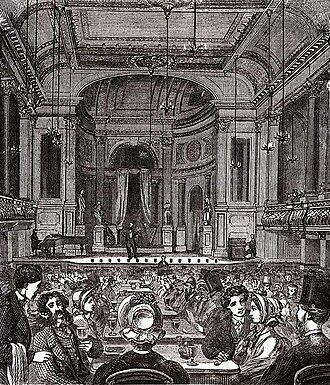
Contemporary reports describe music hall audiences as diverse — workers, tradespeople and visitors — and programming ranged from comic songs to variety acts. The affordability of cellar spaces made them accessible to local acts and touring performers who could not secure main-stage venues. This social function is reflected in licensing notices, period press coverage and occasional diary entries that reference underground performances as part of the city’s nightlife.
Reasons for decline
The decline of cellar performance spaces followed a combination of factors. Changes in licensing law, the rise of new entertainment forms (cinema and larger concert halls), and urban redevelopment all reduced demand for tiny subterranean venues. Structural issues — damp, poor ventilation and the expense of bringing cellars up to modern standards — also contributed. These explanations are grounded in planning records and contemporary commentary rather than in folklore.
Stage phantoms vs. folklore
Stories of ghostly performers, drifting music and phantom applause are plentiful. Separating documented history from folklore means asking three questions: is there archival record for the person or event in question? Do multiple independent sources corroborate the incident? And is the story imaginative elaboration tied to local storytelling traditions?
Documented facts typically appear in licensing registers, census returns, newspaper reports and architectural plans. Folk motifs — such as the idea that any discarded costume will call a spirit — belong to oral tradition. Both matter, but they occupy different evidentiary spaces. A legend can illuminate local attitudes and fears, while confirmed records tell us what actually happened in a cellar.
Notable cellar legends tend to repeat a few familiar themes: an actor who died backstage and returns to test their lines; phantom music in otherwise silent vaults; and a stubborn footfall heard on nights the cellar is empty. These tales are culturally valuable and often rooted in the kinds of precarious lives performers led, but they should be framed as legend unless a clear archival trail links them to specific events.
Where to find music-hall cellars today
Cellars associated with music-halls are typically located beneath former entertainment streets, old tenement blocks and some pubs in central districts. Surviving features to look for include low clearance vaulted ceilings, narrow service staircases, evidence of former staging and patchwork repairs where buildings were remodelled.
Authentic sites tend to cluster in older parts of the city where redevelopment pressures left basement structures intact. When you explore, rely on documentary markers — plaques, heritage listings and building surveys — and avoid assuming any basement is an original music-hall cellar without corroboration.
If you want contextual reading before a visit, related pieces on atmospheric Dublin spaces can enrich your walk: Hidden Bookshops and Haunted Reading Rooms in Dublin: A Visitor’s Guide, Portmarnock Dunes Phantom Sightings: A Visitor’s Guide to Reports, History & Safe Visits, and Clontarf Shoreside Spectres: A Visitor’s Guide to Shoreline Folklore all provide local flavour and complementary walking ideas. For evening wildlife and folklore in a different register, see Booterstown Marsh Dusk Micro-Trail: Folklore, Wildlife & Evening Visit Tips. For practical guides to producing your own route content, refer to Low-cost audio guide production for Dublin ghost walks — Practical guide.
Visiting practicalities
Access and permissions
Many cellar spaces are under private property or licensed premises. You should never attempt to enter a cellar without permission. Some are open to the public as part of organised experiences; others remain closed for safety or conservation reasons.
Guided tours vs. self-guided visits
Guided tours provide narrative context, access to permissioned spaces and a measure of safety. Self-guided visits are possible where cellars form part of a publicly accessible venue, but you’ll need to check opening times and any restrictions. Audio guides can be useful; producers working in the city sometimes follow the practical recommendations in the low-cost audio guide resource noted above.
Best times, photography and safety
Evening tours offer atmosphere but expect low light; bring a camera that handles low-light conditions or rely on your guide for photos. Wear sensible footwear: cellars can be uneven and slippery. Notify guides of mobility needs in advance — some spaces may be unsuitable for those with limited mobility. For children, check age guidance with the organiser because of confined spaces and darker settings.
Responsible visitation and conservation
Respecting private property and the historic fabric of cellars is essential. Do not touch fragile fittings, avoid leaving litter and keep noise to a respectful level so nearby businesses and residents are not disturbed. If a cellar is listed or part of a conservation area, follow any published visitor guidance.
Where tours operate in hospitality settings, they often finish or pause in a public area—this helps avoid congestion in delicate rooms. If you have questions about conservation, ask your guide; many local operators work with historic building professionals and can explain what measures are in place to protect fragile interiors.
Commercial options and what to expect
Ghost Tour Dublin Experience offers curated visits that combine documentary commentary with folklore in a way that keeps evidence and legend distinct. Tours generally include a walking component and, where permission allows, access into cellar spaces that are safe for visitors. Expect small-group storytelling, atmospheric lighting and moderation between fact and anecdote.
Private bookings are available for groups who want a tailored experience. If you are organising a private group, the operator can often arrange a route that highlights cellar architecture and combines it with nearby heritage stops. For private groups, please enquire through the same booking channel to discuss capacity and accessibility.
Many tours finish with recommendations for nearby pubs and restaurants where you can continue the evening. Post-tour hospitality is a popular way to contextualise the experience: hosts will often share additional local colour and archival tidbits. For a combined approach, Ghost Tour Dublin Experience can advise on paired visits — a cellar stop followed by nearby heritage sites or themed evenings that link to other local stories.
For private groups and tailored experiences, please contact our bookings team to discuss timings and bespoke routes: Book a Ghost Tour Dublin Experience to explore Dublin’s music-hall cellars and hear their stories in person.
FAQ
Are Dublin music-hall cellars open to the public or are they usually private?
Many cellars are under private ownership or part of licensed premises and are not freely open to the public. Some are accessible via organised tours like the Ghost Tour Dublin Experience, which secures permission for visitors. Always check access before attempting to enter any cellar space.
How much of the ghost material around these cellars is documented history vs. folklore?
A good portion of the ghost stories are folklore and oral tradition; they reflect local memory and imagination. Documented history — such as licensing records, newspaper notices and building plans — provides verifiable details about people, uses and changes to the spaces. Responsible storytelling distinguishes between these sources.
Are cellar visits suitable for children or visitors with mobility issues?
Cellar visits can be confined and involve stairs, low ceilings and uneven footing. Suitability depends on the individual cellar and the tour operator. Check age guidance and accessibility options with the tour provider in advance so they can advise on alternatives or accommodations.
How do I book a tour or private visit to a music-hall cellar as part of a Ghost Tour Dublin Experience?
Visit the booking page to see current tours and availability: Book a Ghost Tour Dublin Experience to explore Dublin’s music-hall cellars and hear their stories in person. For private groups or special requests, contact the bookings team via the same site to arrange a bespoke itinerary and confirm access and accessibility needs.