
Georgian Lamp-makers and Dublin Streetlight Superstitions
As dusk settles across Dublin’s Georgian terraces and crooked lanes, the legacy of the city’s early lamp-makers still shapes how we read light and shadow. This article follows the documented trade of Georgian-era lamp-makers in Dublin—who made, repaired and lit the street lanterns that carved out nighttime life—and separates that verifiable history from the many superstitions and stories that grew up around them. For visitors who enjoy history with an atmospheric twist, this is a tour-ready guide to seeing the surviving traces on foot after dark.
Introduction: Why Georgian lamp-makers matter to Dublin’s nightscape
Street lighting defined urban life in the Georgian city. Lamp-makers provided the physical objects and the skills; lamplighters and municipal systems provided the rhythms. Together they turned streets into safer, livelier places and, in time, gave rise to a clutch of local beliefs about luck, ghosts and nocturnal omens. Understanding the practical trade helps visitors appreciate how these legends fit into everyday practice, and why street lanterns became such potent symbols in Dublin folklore.
Documented history of the lamp-making trade in Georgian Dublin: workshops, materials and urban role
Documented practice shows lamp-making in Georgian Dublin was a small-scale, specialist craft. Workshops were often located near the city’s mercantile and working districts where blacksmiths, glassworkers and tinsmiths clustered. Lamp-makers produced metal frames, burners and glass chimney parts, often adapting continental and British designs to local needs.
Materials were straightforward and pragmatic: wrought iron and brass for frames and fittings; blown glass for chimneys and lenses; and whale oil, tallow or later paraffin for fuel. Glass suppliers and metalworkers supplied parts, while lamp-makers assembled, repaired and sometimes painted the lanterns that hung outside houses or were mounted on posts.
In Georgian Dublin, the trade supported urban infrastructures that were otherwise informal. Many lamp-makers combined work with other metal or glass trades. The surviving records of Dublin artisans and trade directories refer to lamp-related work among small workshops rather than large-scale factories—an important distinction for visitors tracing original sites on foot.
How streetlighting actually worked: lamplighters, maintenance and municipal change
The mechanics of lighting a city were as much about routine as they were about equipment. Lamplighters walked set rounds to trim wicks, replenish fuel and light or extinguish lanterns at dusk and dawn. Municipal documents and newspaper notices from the period describe contracts for lamplighting services, payments for fuel supply, and occasional public orders for improved illumination in key thoroughfares.
Maintenance was regular: chimneys had to be cleaned, burners adjusted, and glass replaced if cracked. Breakage and theft were practical problems. Where multiple households shared lamp posts, neighbourhood cooperation mattered. Over time, municipal administrations began to standardise fittings and fund public lighting, which shifted responsibility from individual lamp-makers and householders toward city management.
For pedestrians and visitors, this history explains why lamp posts cluster in certain districts and why some areas retained older lantern styles longer than others—an artifact of contracts, budgets and the patchwork nature of urban services in Georgian Dublin.
Streetlight superstitions and legends: common tales, origins and how they spread
Marked as folklore: alongside these practical routines a lively body of superstition developed. These tales circulated orally, in broadsides and in anecdotal reports collected by folklorists. They are part of local memory rather than municipal record.
Popular motifs include the belief that a lamp left unlit at a particular door invited misfortune; that a lamplighter’s whistle at midnight could summon the dead; and that particular lamps near churches or crossroads were haunted by restless spirits. Some stories connect lamp-post light to the sighting of apparitions on the quays and marshes, and others attribute unusual light flickers to supernatural causes rather than to wind or faulty wicks.
How did these stories spread? Street culture and tavern conversation were primary vectors. Lamplighters themselves—figures who moved between households at dusk—were well-placed to become characters in tales. Print culture amplified anecdotes: broadsheets and penny papers relayed eye-witness reports, while later collectors of local lore preserved many oral accounts. Over decades, these stories were embellished and recombined with other Dublin legends.
Examples of commonly told legends
One persistent tale links a dim lamp on a particular lane to a lovers’ pact broken centuries ago; another associates a continuously burning light with the presence of a protective guardian spirit. Stories surrounding the quays sometimes cross over with maritime folklore—see related narratives collected under subjects like Dublin Bay Shipwreck Ghosts.
These legends are colourful and evocative, and they enhance the atmosphere of an evening walk—but they are not documentary history. Treat them as cultural testimony to how Dubliners made sense of the night.
Separating fact from fiction: archival evidence vs. oral tradition
When assessing sources, a practical distinction helps visitors: municipal orders, trade listings and newspaper notices provide evidence of what lamp-makers did and how streetlighting was organised. Oral stories, broadsides and folklorists’ collections show what people believed and how urban myth-making worked.
Where records are silent, absence of evidence should not be turned into evidence of the supernatural. For example, a persistent legend of a “cursed” lamp post on a certain street does not appear in civic inventories or repair logs; that same lamp post, however, might appear in 19th-century street watch reports as a frequently broken fixture—an everyday explanation for extraordinary tales.
Knowing which is which makes an evening walk more rewarding: you can admire craftsmanship and municipal history while enjoying the folklore as performance, not proof.
Where to see surviving traces and related sites on a self-guided or guided walk
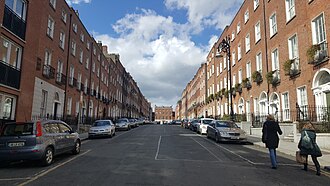
Many of the most atmospheric traces of the lamp-making trade are architectural and scattered across Dublin’s Georgian quarters. Look for original lamp-holders fixed to townhouse facades, surviving glass chimneys in museum collections, and streets whose layout recalls the rhythms of lamplighter rounds.
Temple Bar’s narrow lantern alleys preserve the intimacy of early lighting; a short after-dark route is described in our feature on Temple Bar Lantern Alleys. The quays and riverfronts, where light met water, are rich in stories about flickering lamps and maritime apparitions—contexts also explored in pieces like Bull Island Twilight Apparitions and local quay lore covered in our guide on Budgeting a Short Ghost Film on Dublin Quays.
For a sombre, medieval contrast to Georgian lighting, consider the area around St Audoen’s and its atmospheric crypt; it’s an evocative stop on an evening walk and is further described in our visitor guide to St Audoen’s Crypt.
Practical visitor info: best times, accessibility, and experiencing this theme with Ghost Tour Dublin Experience
Best times: an evening walk shortly after sunset is ideal. The transition from daylight to lamplight is when the material details of lamp fittings and chimney glass show best, and when the folklore feels most alive. Avoid nights with heavy rain or high winds if you want clear visibility of lamps and slimmer crowds.
Accessibility: many Georgian streets are compact with cobbles and intermittent steps. Wear sturdy shoes and allow extra time for narrow alleys. If you need step-free routes, contact guides in advance to plan an accessible itinerary.
Guided experience: Book a themed night walk with Ghost Tour Dublin Experience to see these lantern locations after dark and to hear both the documented histories and the folklore in context. Our evening walks balance archival detail with storytelling, so you’ll learn how lamp-makers worked, where lamplighters walked, and which legends grew from ordinary maintenance problems. To reserve a place, Book a themed night walk with Ghost Tour Dublin Experience to see these lantern locations after dark.
Private groups and tailored events are available for special interest visitors. If you are organising a private group, we can design a route focused on lamp-maker workshops, lamplighter rounds, or the folklore that most interests your guests. Contact us to discuss private bookings and group pricing at our private groups page.
Secondary CTA: For bespoke tours and private events, reach out via our private groups page to arrange a specialised after-dark walk that focuses on Georgian lamp-making heritage and lantern legends: Book private group experiences with Ghost Tour Dublin Experience.
Conclusion: walking with both evidence and imagination
For visitors, the appeal of Georgian lamp-makers and streetlight superstitions in Dublin lies in their combined human scale. The documented craft of making lanterns and tending lamps explains how the city managed night-time life; the folklore shows how Dubliners turned those practical objects into symbols and stories. A careful evening walk lets you enjoy both: see where the work was done, hear the tales it inspired, and understand why light in the city has always been a bridge between the sensible and the strange.
Final reminder: practical history enriches atmospheric legend. If you want an informed, evocative evening tour, Book a themed night walk with Ghost Tour Dublin Experience to see these lantern locations after dark and discover the places where light, labour and lore meet.
FAQ
Were there organised lamp-maker guilds in Georgian Dublin or was it a cottage trade?
Evidence points to lamp-making being practised within small workshops and among tradespeople who often combined related metalwork or glasswork. While there were organised guilds for some crafts, lamp-making in Dublin appears largely as part of a network of small specialist workshops rather than a large, separate guild structure.
Are the streetlight superstitions based on any historical incidents?
Many superstitions build on real, mundane incidents—broken chimneys, flickering wicks, or lamplighters’ nocturnal movements—that were later interpreted or embellished. There is little archival evidence that directly links a specific supernatural claim to a documented incident; instead, folklore often amplifies ordinary occurrences into legend.
Can I visit original lamp-maker workshops or lamplighter routes in Dublin today?
Original workshops are rare to find intact, but physical traces—lamp brackets, surviving lanterns, and streets that align with historical lamplighter rounds—remain in Georgian districts. Guided walks, including themed tours by Ghost Tour Dublin Experience, identify these traces and explain their context.
Is an evening Ghost Tour Dublin Experience walk the best way to explore these lantern legends?
An evening Ghost Tour Dublin Experience walk is an excellent option because it pairs historical explanation with storytelling in situ. If you prefer self-guided exploration, the article includes pointers to streets and sites; for context, atmosphere and curated commentary, a guided evening walk is highly recommended.