
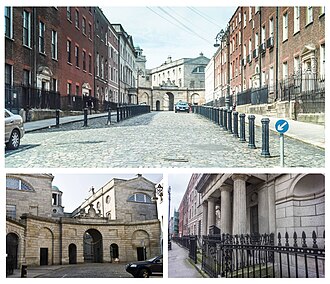
Henrietta Street: Tenement Residents, Dark History and Ghost Stories — Ghost Tour Dublin Experience
Henrietta Street stands as one of Dublin’s most striking examples of urban transformation: grand Georgian façades that later housed crowded tenements, now preserved as a site where social history and spectral storytelling meet. This article uses Henrietta Street as a case study—examining what archives and museums record about tenement life, how residents’ stories have been passed down, and how those memories have been woven into ghost lore presented on guided night walks.
Book a Henrietta Street night walk with Ghost Tour Dublin Experience
The documented history: from Georgian townhouses to tenements
Henrietta Street was built during Dublin’s Georgian expansion and originally featured large single-family townhouses intended for the city’s professional and mercantile classes. Over time, economic shifts and urban pressures saw these houses subdivided. Archival records, census returns and contemporary reports document how these once-spacious houses were adapted into multi-family dwellings.
What is firmly recorded in archives and museum displays is not sensational ghost stories but the material realities of overcrowding, precarious sanitation, and intermittent public health crises. The Tenement Museum at No. 14 (now a preserved visitor space) focuses on these tangible details: room layouts, family inventories, and the institutional responses of the time. These primary records are the foundation for understanding Henrietta Street’s darker social history.
Residents’ stories from records and oral history
The human dimension of Henrietta Street comes from a mix of official records—such as census entries, poor law records and contemporary newspapers—and oral histories collected later from descendants and local residents. These sources shed light on everyday life: how families shared rooms, the kinds of work people did, and how illness and poverty shaped household routines.
Clear distinctions matter. Primary records tell us who lived in specific rooms, occupations listed on registers, and sometimes official notices about sanitation or building conditions. Oral histories and family recollections supply texture: remembered names, anecdotes about neighbours, and the rhythms of work and home. Where oral testimony diverges from records, historians flag those differences rather than smoothing them into a single narrative.
Notable documented incidents—complaints to authorities, eviction records, or reports of outbreaks—appear in contemporary correspondence and municipal archives. These are different in kind from later retellings that add drama or moral lessons; they are concrete traces of hardship rather than the source of supernatural claims.
From hardship to hauntings: how social memory turned into ghost stories
Ghost stories often emerge where trauma and memory remain unresolved. In the case of Henrietta Street, the accumulation of hardship—early deaths, illness, cramped living—created fertile ground for narrative transformation. Over generations, family anecdotes and neighbourhood gossip recast harsh facts into stories that explained misfortune or preserved the memory of those who suffered.
Folklorists call this process “social memory becoming legend”: a factual event (for example, a sudden death in a tenement room) can be retold in ways that emphasize mystery, coincidence, or portent. The result is a layered cultural record: beneath folklore there are archived facts, and above those facts sit stories that address moral, emotional or communal needs.
Reported sightings and anecdotes — catalogue with caution
Local guides and visitors over the years have reported a range of experiences on Henrietta Street: footsteps where no one is visible, cold spots in certain rooms, or the feeling of being watched in narrow stairwells. These accounts are an important component of contemporary place-making; they tell us what the street feels like to people today.
It is important to flag unverifiable claims. Many of the more dramatic tales exist only as oral reports recorded decades after the alleged event. Memory is shaped by storytelling conventions and by what listeners expect to hear; repetition can solidify a story into something that feels documentary but is not. When a visitor report cannot be cross-checked against records or corroborated by contemporaneous witnesses, it should be described as anecdote or local lore rather than fact.
That said, repeated, independent reports of particular experiences—consistent descriptions of noises in the attic, or of a figure seen at a specific window—are useful to catalogue because they shape visitor expectations and the living folklore of the street. They do not, however, substitute for archival evidence.
How tours present Henrietta Street: responsible interpretation on night walks
A well-run night walk balances atmosphere with accuracy. On walks led by experienced guides from Ghost Tour Dublin Experience, storytelling techniques are used to evoke the past without blurring the line between documented history and legend. Guides will typically preface ghost stories with context: what records say, where oral tradition takes over, and which elements are unverified.
Responsible interpretation has several elements:
– clear labels when a tale is documentary and when it is folklore;
– contextual anchors (for example, referring to the Tenement Museum’s exhibits at No. 14 when discussing living conditions);
– sensitivity to the descendants of those who lived through hardship; and
– safety and respect for local residents and property.
Guides also use atmosphere—lighting, pacing, and selective detail—to create an immersive experience that is informed rather than exploitative. For those interested in comparative walks, our approach is similar in principle to other intimate Dublin experiences that explain costs and curation choices; see Why Intimate Dublin Ghost Walks Cost What They Do for more on interpretive practice and pricing.
Reported routes, safety and storytelling on the ground
Night walks typically move along the street’s façades, pause at preserved interiors at the Tenement Museum, and draw attention to architectural features that tell social history: staircases that became shared thoroughfares, windows that displayed the life within, and the narrow lanes where neighbours met. Pacing is slow to allow for archival anecdotes, oral recollections, and a measured recounting of legends.
Safety is a priority: tours operate with clear paths, avoid trespass, and request that participants respect private property and residents’ privacy. Guides brief groups on photography etiquette and noise levels; this protects both the atmosphere of the walk and the dignity of the neighbourhood.
Practical visitor guide
Best times to visit: evening walks after dusk are when the blend of history and atmosphere is most effective, but daytime visits to the Tenement Museum at No. 14 are essential for anyone wanting archival context. Access: the street is central and walkable; some interiors require advance booking through the museum.
Respectful behaviour: speak quietly near homes, avoid shining bright lights into windows, and follow the guide’s instructions. Photography: allowed in many public areas but follow any restrictions at museum interiors and be mindful of other visitors. If you are planning a private group or a corporate event, we offer tailored options—contact us for private bookings and group arrangements.
Further reading and related walks: those interested in Dublin’s ghost circuits and heritage may enjoy comparative accounts such as Twilight Tales of The Liberties: Alleyway Hauntings & Night Walks, St. Michan’s Crypt Legends and Mummies: History, Myths & Visitor Guide, and the atmospheric case study Malahide Castle at Night: The Caretaker Apparition, History & Visitor Guide. For community events or themed nights, see Budget Props & Costume Ideas for Low-Cost Dublin Ghost Events.
Book a Henrietta Street night walk with Ghost Tour Dublin Experience
Planning a private group? For tailored private events and closed-group experiences, including corporate or research-focused tours that delve deeper into records and oral history, please inquire via our private bookings page: Private groups and bookings.
FAQ
Are Henrietta Street ghost stories based on real historical events or invented folklore?
They are a mixture. Many ghost stories on Henrietta Street originate from real, documented social hardships—death, illness, overcrowding—that entered local memory. Over time some of those facts were retold with embellishment, creating folklore. Guides and museums distinguish between archival records and later legend.
Can I visit Henrietta Street and the Tenement Museum on my own, or should I join a guided night walk?
You can visit the street and the Tenement Museum independently; daytime museum visits provide essential archival context. A guided night walk, however, offers curated storytelling that links primary records to oral history and local lore, which many visitors find adds depth to the experience.
Are Henrietta Street tours suitable for children and older visitors?
Tours are generally suitable for older children and visitors who can manage walking at night and who understand the sensitive nature of tenement history. Check in advance for accessibility concerns and content advisories; private or daytime tours can be arranged for groups with specific needs.
What should I bring or expect on a Henrietta Street night walk with Ghost Tour Dublin Experience?
Bring comfortable footwear, weather-appropriate clothing, and a small torch if desired (guides will provide safety information about lighting). Expect a mix of documented history, oral recollections and folklore presented with clear signposting. For extended or private tours, contact us ahead of time to discuss focus areas and accessibility.