
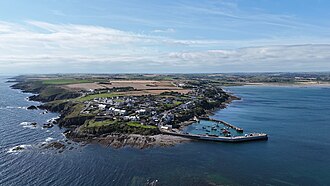
Howth Head: Harbor Lights, Ship‑Lore and Headland Whispers — A Visitor’s Guide
Perched where Dublin Bay opens to the Irish Sea, Howth Head is a compact world of cliffs, coves and paths that has long magnetised sailors, fishermen and storytellers. From the practical warning of a lighthouse beam to the hush of a mist that seems to carry voices, this headland collects maritime experience and refashions it into stories passed down in pubs, on family walks and in the logbooks of harbour masters. This guide traces what is recorded and what lives only in oral tradition, and offers practical advice for visitors who want to see—and hear—those stories for themselves.
Howth Head in context
Howth Head is a headland that forms the northeastern edge of Dublin Bay. Its compact ridge, steep cliffs and sheltered inlets made it a natural watchpoint for mariners and, over centuries, a focus for local memory. Fishermen’s reports, harbour records and coastal navigational notes sit beside legends told in kitchen chairs and over pints. For a visitor this proximity of the practical and the poetic is an invitation: you can read navigational records and then walk the same slopes where those stories were born.
Harbor lights and lighthouse lore
Documented history: the Baily Lighthouse and navigation
The Baily Lighthouse stands on the southeastern promontory of Howth Head and is part of the documented navigational system that has guided ships into Dublin Bay. Its purpose is straightforward: to warn, to guide and to mark hazards. Lighthouse keepers’ logs, chart updates and harbour authority notices record changes in optics, maintenance and the practical challenges of keeping lights visible in fog and storm. When you visit vantage points around the head, you are seeing the very focal points used by mariners and by those responsible for safe passage into ship channels.
Folklore and local light‑based legends
Beside the formal record, there are many local tales that treat the light as less a technical aid and more a moral or supernatural sign. Stories speak of phantom beacons that appear on nights of thick fog, of lamps seen where no lamp should be, and of sailors following an ethereal glow only to be turned inland by unseen forces. These are oral traditions—powerful, repeatable and meaningful to communities—but they are not the same as lighthouse maintenance logs or navigational charts. As a visitor, it helps to hold both in mind: the Baily’s practical role and the way its light feeds the imagination.
Ship‑lore and wreck stories
Documented incidents
Coastal authorities and harbour records document shipwrecks and groundings around Howth Head. The headland’s combination of exposed sea, submerged rocks and changeable weather has led to incidents involving fishing boats, merchant vessels and pleasure craft. These records often describe the vessel type, the circumstances reported by rescuers and any official inquiries that followed. When you read a logbook extract or a harbour notice, you are encountering that documented layer: practical facts that shaped navigation changes and local safety measures.
How sailors’ tales became local lore
Every documented wreck seems to have attracted stories that fill gaps in the official record. A simple grounding becomes a dramatic fight with the sea; a rescue becomes an encounter with bodies that refused to be recovered. Sailors, prone to telling and retelling amid the long nights at sea, embellish and distil events until they become emblematic tales—warnings about pride, reminders of the sea’s temper, or explanations for unfamiliar lights and sounds. That process—fact to story to local legend—is how many of Howth’s most vivid accounts formed.
Headland whispers: ghosts, fairies and oral traditions
The cliffs and coves of Howth have their share of whispered encounters: figures glimpsed on dawn slopes, voices heard over surf, and warnings given by older residents who know the coastline’s moods. These stories belong to oral culture. They show variation by teller and by generation, and they often serve social functions—teaching children respect for the sea, providing social cohesion, and giving shape to collective memory.
It is important to be clear: many of these accounts resist verification. Ghost sightings, fairy encounters and voices in the mist belong to lived experience and communal belief rather than to archives. They matter culturally, but they are categorically different from official records such as lighthouse logs or maritime casualty reports.
Reading the landscape: vantage points, tides and conditions
Knowing where to stand and when to go helps you see how the land shaped the stories. High points such as the summit near the Howth summit loop afford long sightlines along the bay where lights and ships are visible. Lower coves trap sound—on a still day the cliffs throw surf and gull cries in ways that can sound eerie. Tides change beach visibility fast; a flat, reflective tide at dawn will alter light and distance, while a storm tide narrows paths and sharpens the perception of danger.
Weather matters. Fog softens shapes and creates those ambiguous silhouettes that feed stories of phantom ships. A bright, clear day emphasises the headland’s exacting angles and the engineering of lighthouses and harbour walls—useful if you want to separate technical detail from myth as you walk.
Practical visitor guide
Recommended walking routes: the Howth Cliff Walk loop and the shorter Baily lighthouse peninsula circuit are the two most direct routes for folklore‑focused visits. Start at the village pier if you want the harbour-to-headland narrative and stop in sheltered coves to listen. For a shorter session, the lighthouse promontory provides concentrated views without a long climb.
Safety tips: stick to marked paths, especially on cliff edges. Coastal weather changes fast—dress in layers and wear sturdy footwear. Keep dogs on leads near seabird nesting areas and follow local signage about access restrictions. Always respect hazard notices: cliffs are unstable in places and tides can cut off coves used by walkers.
Seasonal timing: spring and autumn offer dramatic light and fewer crowds; summer has long evenings but more people; winter presents high seas and rawness that amplify the headland’s atmosphere but increase risk. For historic night walks or darker atmospherics, consider booking a guided night option rather than wandering alone.
Transport and accessibility: Howth is reachable by DART from central Dublin and by road. Some viewpoints are accessible with moderate effort; others require steeper walking. If mobility is a concern, plan routes that keep to lower gradients and nearer the village and harbour.
Where to hear more and book a guide
Local storytellers, harbour veterans and pub regulars remain the best source for living oral tradition. Several village pubs have been staging maritime tales for generations—listen for local cadence rather than seeking documentary precision. For structured context, our guided walks combine recorded history with the telling of local legend and are designed to help you distinguish between the two.
If you are organising a private group, there is a tailored option that brings a guide and customised route planning: Book private and group tours: https://www.ghosttourdublin.com/group-tours-dublin/
For comparison and wider context on Dublin’s darker walks and town‑told stories, you might read pieces such as Hellfire Club Night Hike: Ruins, Local Legends & Night Tour Tips or explore approaches to seasonal ticketing in Choosing the Right Seasonal Ticket Tier for Dublin Haunted Pub Crawls. If you enjoy how street names and places keep stories, see How Dublin’s Street Names Hide Ghost-Story Hooks, and for a sense of how architecture can frame an eerie walk, consider The Casino at Marino by Moonlight: Architecture & Eerie Anecdotes. For urban comparanda on apparitions and lighting, Rathmines Victorian Lanes: Streetlight Apparitions and Old Tales is also insightful.
FAQ
Is the Baily Lighthouse open to visitors, and can I go inside?
Access to the interior of the Baily Lighthouse is limited. The structure and its operational equipment are part of navigational infrastructure, and public entry is usually restricted. You can, however, visit the surrounding promontory and view the lighthouse from nearby paths and car parks. For any special open days or guided visits, check official notices or ask a local guide during a booked tour.
Are the ghost and shipwreck stories at Howth Head based on verified events?
Some shipwrecks and maritime incidents in the area are documented in harbour and coast guard records; those are verifiable events. Ghost sightings, fairy accounts and other supernatural motifs are oral traditions and personal experiences. They are culturally significant but typically not verifiable in the same way as official records. A guided walk will help you hear both kinds of accounts while keeping them distinct.
How long should I plan for a folklore‑focused walk around Howth Head?
Allow two to three hours for a relaxed folklore‑focused loop that includes key vantage points, shorter if you prefer the lighthouse promontory only. A full day lets you move at leisure, stop in pubs, and consult local storytellers. If joining a guided tour, check the itinerary for exact timings.
Are guided Howth Head tours suitable for families and larger groups?
Yes. Many guided walks are family‑friendly, with stories adapted for different ages. Larger groups are best accommodated by booking a private or group tour in advance to ensure a suitable guide and route. Use the private booking option to arrange specific needs and accessibility requirements.