
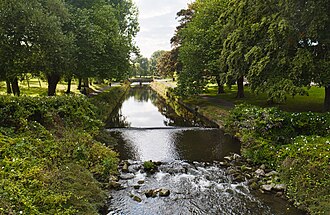
There is a particular way the light changes in central Dublin as the sun slides down and the city exhales: brick and stone soften, the trees in small parks take on a darker texture, and the air seems to hold conversations it never dared by daylight. Iveagh Gardens at dusk is one of those places where the shift from day to night reveals layers—landscape design, civic history and local memory—that make an evening walk feel like a short, concentrated pilgrimage through the city’s quieter stories.
Book the Iveagh Gardens dusk trail with Ghost Tour Dublin Experience
Documented history (what’s recorded)
Scholars and municipal records agree on the broad arc of Iveagh Gardens’ development: it began as a deliberately designed green space in Dublin and evolved into a landscaped public garden prized for its intimate, Victorian-influenced features. The garden’s layout emphasises terraces, a sunken lawn and ornamental water features—formal devices that create both a sense of enclosure and a series of framed views.
Design elements frequently noted in archival descriptions include formal terraces and steps, a cascading water feature, clipped hedging around quiet lawns and ornamental planting beds that were arranged to offer seasonally changing sights. The ironwork gates and the original approach paths are also documented as purposeful features of the garden’s composition.
Public use has long been part of the record: the gardens have served as a city retreat, a place for quiet walks, and occasional public events. Preservation efforts and municipal stewardship have ensured the survival of many original features, even as planting schemes and maintenance practices have been updated to contemporary standards.
Whispered histories and folklore (what locals tell)
At dusk, stories gather and migrate from kitchen tables and late-night conversations into the pathways between the trees. These are the whispered histories: oral traditions, local recollections and small legends that sit alongside the paperwork in archives.
Common tales you will hear from locals include mentions of a solitary figure glimpsed near the terraces, orphaned lovers meeting in the shadows, and music that seems to come from nowhere on certain still evenings. There are also stories that attach emotional meaning to particular trees or benches—memorials in memory if not on any official ledger.
It is important to distinguish these oral traditions from documentary fact. Folklore is valuable for what it reveals about communal memory, anxieties and affection for a place; it is not always verifiable against archival records. Ghost Tour Dublin Experience treats these tales as part of the cultural landscape: evocative, often metaphorical and worthy of respectful storytelling, but not presented as proven historical events.
If you make or read small publications about local lore, you might be interested in practical resources for community projects, such as Crowdfunding for Dublin Folklore Zines: A Practical Guide for Creators & Tourists, which offers advice on documenting and sharing oral histories responsibly.
The dusk trail route — step-by-step guide to the best path, key viewing stops and sensory highlights
This route is written for a calm, contemplative pace—allow 45–75 minutes depending on how long you linger at each stop. Wear comfortable shoes and allow the light to fade slowly so your eyes adjust.
1. Begin at the main gate: Step through the iron gates and pause a moment to listen. At dusk the garden narrows the city noise into a distant hum; the sharp edges of traffic blur.
2. Sunken lawn and central promenade: Follow the primary path to the sunken lawn. The low perspective here makes the surrounding terraces feel protective. Look for subtle changes in the planting palette and note how the dusk light deepens greens to grey-blues.
3. Cascading water and terraces: Move toward the cascade. At dusk the water reflects the paling sky, and the sound becomes a focus. Stand on the terrace and let the layered soundscape—water, distant city, birds settling—create a backdrop for any stories you hear or tell.
4. The labyrinth and shaded paths: Seek the narrower paths that thread under trees and hedges. These feel like a different world at twilight: directions fold back on themselves, and sightlines narrow. This is where local legends tend to gather; the storytelling here feels immediate and intimate.
5. Seating niches and viewpoints: End the main loop at one of the small seating niches. These are designed pauses—excellent places to take a photograph, make a quick sketch or simply allow the atmosphere to register.
If your curiosity takes you on, the surrounding streets offer after-dark possibilities—short urban walks that continue the mood. For a different kind of night-walking experience, see our notes on Blackpitts Late-Night Alleys: Urban Hauntings and Night Walk Guide.
Practical tips for visitors: best times at dusk, lighting, safety, accessibility and photography guidance
Best time: Aim to arrive roughly 20–40 minutes before official dusk and stay until about 20–30 minutes after sunset. This window catches the transition from warm to cool light and the soft onset of evening tones.
Lighting: Bring a small torch or use your phone’s light when negotiating steps and narrower paths, but avoid bright beams that disturb other visitors. Some parts of the garden are intentionally dim to preserve atmosphere; your eyes will adjust if you give them time.
Safety: The garden is generally safe in early evening, but standard precautions apply: walk with a companion if you feel unsure, stick to main paths once it is fully dark, and be aware of your surroundings. Report any concerns to local authorities or park stewards if present.
Accessibility: Paths vary—some terraces and steps mean parts of the garden are less accessible to wheeled mobility. If accessibility is essential to your visit, check municipal resources or contact a guided tour provider for tailored options.
Photography: Dusk photography rewards stability. Use a small tripod or steady your camera on a bench for long exposures. Respect other visitors and any posted park rules about equipment or commercial photography.
How a guided Ghost Tour Dublin Experience enhances the dusk trail
A guided Ghost Tour Dublin Experience brings three practical benefits: contextual accuracy, evocative storytelling and safe navigation at dusk.
Our guides work to make clear distinctions between documented history and oral tradition. You will hear archival context—what is recorded in municipal and family archives—alongside folklore and whispered stories, with the guide explicitly flagging what is documented and what is local legend. That dual framing makes the walk richer and more reliable than an unguided stroll.
Guides also manage timing to make the most of the dusk window and know the quieter paths to avoid crowds. Tours are designed for small groups to maintain atmosphere and ensure everyone can hear and participate. If you want a private experience for a family group, corporate event or a deeper research-focused walk, private bookings are available at the same main booking page; please enquire for tailored arrangements.
Book the Iveagh Gardens dusk trail with Ghost Tour Dublin Experience
Nearby practicalities: transport, nearby eateries and what to pair with your after-dark visit
Transport: Iveagh Gardens sits within easy walking distance of central Dublin thoroughfares and public transit options. If you are using public transport in the city, plan your return trip in advance—dusk can stretch into late evening quickly, and services may vary after dark.
Eateries: The area around the gardens offers a mix of cafes and pubs suitable for a pre- or post-walk meal. An after-dark visit pairs well with a relaxed dinner or a themed dining event; if you are looking for immersive evening options, consider later-night experiences that combine food and local storytelling as a complement to your walk—see Pricing Immersive Ghost Dining Events in Dublin’s Haunted Pubs for ideas.
If you plan to explore other historic gardens or private grounds on a routed itinerary, the Foxrock Manor piece offers helpful reading and comparative perspective: Foxrock Manor Garden Ghost Lore: History, Legends & Visiting Tips.
For visitors and community organisers interested in the upkeep and future of places like this, there are practical resources about funding community work and preservation initiatives: Funding Community-Led Preservation of Haunted Sites in Dublin — A Practical Guide.
For an informed, atmospheric and safe dusk trail, we recommend joining a guided group to experience Iveagh Gardens with context and care. To reserve a spot on our scheduled walks or to enquire about private groups, visit the Ghost Tour Dublin Experience booking page.
Book the Iveagh Gardens dusk trail with Ghost Tour Dublin Experience
FAQ
Is it safe to visit Iveagh Gardens at dusk?
Generally, yes—many locals and visitors enjoy the gardens at dusk. Take normal urban precautions: travel with companions if you prefer, stay on established paths after dark, and be mindful of limited lighting in some areas. If you join a guided tour, the group stays together and the guide manages route safety.
How long does the dusk trail take and when is the best time to go?
The typical dusk trail lasts between 45 and 75 minutes. Arrive 20–40 minutes before sunset and stay until roughly 20–30 minutes after to capture the full transition. Times vary by season, so check sunset times for the day of your visit.
Are guided tours necessary or can I do the dusk trail on my own?
You can certainly enjoy the gardens alone; many visitors do. Guided tours, however, add historical context and clearly separate documented facts from folklore, while also ensuring the group benefits from safe routing and evocative storytelling. Decide based on how much context you want and whether you prefer a shared experience.
Are there accessibility considerations or facilities to know about?
Some paths include steps and terraces that may limit access for wheelchairs or those with mobility restrictions. There are benches and resting spots, but if accessibility is essential, contact the tour operator or local authorities in advance to confirm suitable routes and accommodations.