
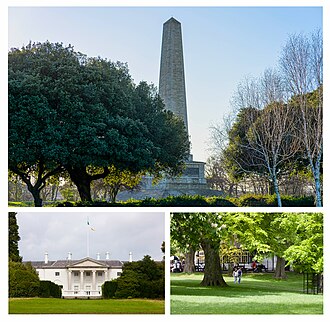
Phoenix Park Ghost Sightings and Regimental Lore — Visitor Guide
Phoenix Park is one of Dublin’s largest and most atmospheric open spaces: broad avenues, historic monuments and the echoes of a long military presence. That tangible past—barracks, drills, fortifications and occasional tragedy—feeds a steady stream of ghost stories. This guide separates what the archives tell us from what local tradition and eyewitnesses report, and it translates both into practical advice for visitors curious about “Phoenix Park ghost sightings and regimental lore.”
Book a Phoenix Park ghost & regimental lore evening walk with Ghost Tour Dublin Experience
1. Introduction: Why Phoenix Park’s military past attracts ghost stories
Historic landscapes often act like living memory. Where soldiers once marched, where barracks and magazines were busy, it is natural for later generations to sense an unseen continuity. Phoenix Park’s size, its layered uses and the visible scars of military infrastructure create focal points for storytelling. The very language of the park—“avenue,” “monument,” “fort”—invites narratives that blend documented events with human response to loss, discipline and ceremony.
2. Documented regimental history in Phoenix Park — barracks, drills and recorded incidents
Distinguishing documented history from folklore starts with sources. Official material that scholars and local historians consult includes military rosters, government correspondence, ordnance and mapping records, and contemporary newspaper reports. These sources confirm a long-standing military presence: garrisoning of troops, formal drills on parade grounds, logistics hubs and the construction of defensive works and magazines.
What the archival trail makes clear is not always dramatic, but it is instructive. The park was used as a staging area and training ground; regimental movements, postings and occasional accidents are recorded in administrative files and period press coverage. Military funerals, the passing-out of recruits and the spectacle of regimental life were visible to Dublin residents and regularly described in local reportage of the time.
When reading these records, it is important to separate administrative detail from later embellishment. Logs and orders can tell us where troops were based and when, and newspapers often reported injuries and court-martials. They do not, however, document supernatural activity.
3. Commonly reported ghost sightings and encounters — eyewitness accounts, patterns and provenance
Reports compiled from guide recollections, local oral history and visitor testimony yield a consistent set of motifs rather than verifiable incidents. Commonly reported phenomena include:
- Apparitions of uniformed figures seen along broad avenues or near former barracks sites.
- Sounds of marching, drums or the clink of weapons at night where no parade is present.
- Unexplained cold spots, sudden feelings of unease or the sense of being watched in areas with military associations.
- Transient mist or low lights that seem to move along paths in otherwise still conditions.
These accounts vary in provenance. Some come from people touring the park after dark; others are the accumulated memory of families and neighbourhood storytellers. The most reliable pattern to note is frequency near remnants of military infrastructure—places where barracks, magazines or parade grounds once stood. Eyewitness testimony can be compelling, but it is anecdotal: personal experience that must be treated differently from archival fact.
4. How regimental life and tragedy become folklore — mechanisms that turn history into haunting
There are familiar social mechanisms that turn military history into ghost stories. Three help explain the process in Phoenix Park:
Ritual and repetition
Daily drills, sentry rotations and ceremonial parades create a rhythm. When those rhythms stop, the imagination can replay them: the memory of marching becomes the story of phantom footsteps.
Visible reminders
Ruins, monuments and earthworks act as anchors for recollection. A site that once displayed regimental pride, or where a fatal accident was reported in contemporary papers, becomes a node for stories handed down to children and tourists.
Collective storytelling and media
Local folklore is sustained by storytelling—pub conversations, guide narratives and blog posts. This is not unique to Phoenix Park; see how other Dublin neighbourhoods package history and atmosphere for audiences in pieces like Monetizing Dublin Ghostwriting and the curated evening routes in areas such as Stoneybatter or the Mountjoy Prison Twilight History Trail.
5. Best spots in the park to explore this history and reported phenomena (practical visitor map and times)
For visitors, it helps to pair historical context with place. The most commonly recommended loci for regimental lore and reported sightings are:
- The lines of broad avenues, where parade movement once dominated—best experienced at dusk when shadows lengthen and the park quietens.
- Former defensive works and magazine areas, which are historically associated with logistics and stored ordnance; these spots often carry strong associative memory.
- Areas adjacent to major monuments and older stone structures; memorials and obelisks served as focal points for regimental ceremonies.
Practical tips: visit in the hour after sunset for atmosphere and lower footfall, but check local guidance on park hours and closures. Weeknights are generally quieter than weekends. Bring a simple map or use a guided walk to avoid inadvertently wandering onto restricted or private sections of the park.
6. Responsible evening visiting: safety, permissions, and photography tips for low-light conditions
Safety comes first. Stay on public paths, keep to lit areas if you feel uneasy, and respect any fenced or signposted closures. Phoenix Park supports wildlife and residents; be mindful of deer and avoid loud behaviour that disturbs others.
Permissions: some areas of the park may be subject to access restrictions after dark. If you plan a small private group, check with the park authority or consider booking a guided walk that manages permissions and route planning for you.
Photography in low light requires patience. For practical advice on capturing atmosphere without forcing artificial light, see our guide Low-Light Photography Tips for Dublin Ghost Blogs. Key pointers: use a tripod or steady surface, prefer longer exposures to aggressive flash, and learn to bracket exposures for shadow detail.
7. What to expect on a guided Phoenix Park ghost & regimental lore walk (sample itinerary and commercial offering)
A guided evening walk with Ghost Tour Dublin Experience is designed to interpret both documented history and living folklore. Typical elements a guide will include are:
- An orientation on the park’s military past with references to archival types (orders, rosters, period press) so visitors can distinguish documented fact from later lore.
- Visits to the key spots where regimental life was visible—avenues used for parade, defensive works and storied monuments—paired with anecdotal eyewitness accounts.
- Contextual storytelling that explains how particular reports likely arose: weather phenomena, sound carry across open ground, or the human tendency to fill historical gaps with narrative.
- Time for questions, photographs and a respectful closing at a landmark suited to evening conditions.
Ghost Tour Dublin Experience structures its walks to be accessible, informative and atmospheric without sensationalising events. Walks generally cover manageable distances and are paced for conversation and contemplation; guides will advise on practical clothing, footwear and weather contingencies at booking.
Book a Phoenix Park ghost & regimental lore evening walk with Ghost Tour Dublin Experience
For private groups or bespoke itineraries, please enquire about a tailored experience to match your interests and access needs: Book a Phoenix Park ghost & regimental lore evening walk with Ghost Tour Dublin Experience (private groups).
8. Further reading, where to verify historical claims, and respectful conduct on-site
If you want to verify historical claims, consult primary sources kept in national and local archives: military correspondence, period newspapers and early cartographic records. Local libraries and university special collections are useful starting points for original documents. When in doubt, ask a guide to point you toward reputable archives rather than relying on unattributed internet claims.
Respectful conduct on-site matters. Treat memorials and monuments with the decorum they deserve. Avoid touching or climbing on historic structures, keep noise low on evening walks, and be mindful of other visitors and wildlife. Ghost stories are part of a living cultural tradition—enjoy them, but do not let storytelling override the dignity of places that remember real people’s lives and losses.
For more on local dark-history walks and how guides present evidence alongside folklore, consider our related guides to St Kevin’s Church, and other routes that place stories in context. There are also practical guides on how local writers and guides shape audiences in Monetizing Dublin Ghostwriting.
Book a Phoenix Park ghost & regimental lore evening walk with Ghost Tour Dublin Experience
FAQ
Are the Phoenix Park ghost sightings based on documented incidents or local folklore?
The sightings you hear about are primarily grounded in local folklore and eyewitness testimony rather than documentary proof of supernatural events. Documentary records—military rosters, official orders and contemporary newspapers—confirm a strong military presence and occasional accidents, but they do not record paranormal activity. Guides and storytellers bridge those archival facts with oral tradition to explain how the park’s history gave rise to the stories.
When is the best time to visit Phoenix Park for history-focused evening walks?
Dusk and the hour after sunset offer the richest atmosphere for an evening walk, with lower footfall and more evocative light. Check local guidance on park access and weather, and consider a guided walk to combine safety, route knowledge and historical interpretation.
Can I explore the regimental sites in Phoenix Park on my own, or should I book a guided tour?
You can explore publicly accessible areas on your own, but a guided tour adds archival context, safer route planning for after-dark visits and interpretive nuance that separates documented fact from lore. For groups or bespoke needs, contact Ghost Tour Dublin Experience about private arrangements.
Are there safety or access restrictions to be aware of for night visits in Phoenix Park?
Yes. Some areas may be closed or restricted after dark, and wildlife presence (including deer) demands caution. Stay on established paths, obey signage, and check with park authorities or a guide if you plan an evening visit—especially with a group.