
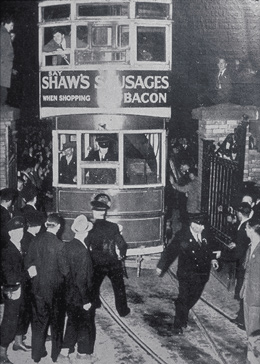
Tramline Phantoms: Ghost Stories Along Dublin’s Historic Tram Routes
Dublin’s old tram corridors are threads through the city’s past — the routes that once hummed with clattering wheels and workday crowds now collect stories, echoes and the occasional nervous glance down a long Georgian terrace. This guide, Tramline Phantoms: Ghost Stories Along Dublin’s Historic Tram Routes, maps where those stories converge, separates recorded fact from folklore, and gives practical walking advice so you can explore safely and respectfully.
Book the Tramline Phantoms guided walk with Ghost Tour Dublin Experience
Tramline history in brief: documented development, closures and urban change
The tram network that shaped Dublin’s streets emerged in the 19th century and evolved through the early 20th century from horse-drawn lines to electric services. The system connected suburbs to the centre and required significant street alterations: dedicated lanes, wider carriageways and depots for maintenance.
Records, municipal plans and contemporary maps show a steady contraction of street-running trams as motor traffic and buses expanded in the mid-20th century. Where trams once turned and waited you’ll often find altered kerbs, widened pavements and former service yards repurposed as housing or commercial space.
These are verifiable traces: cartographic evidence, municipal archives and surviving buildings document the presence and later removal of tram infrastructure. Where the historical record is thin, local memory and folklore step in — and that’s where the phantoms multiply.
Phantom by phantoms: key ghost stories tied to specific routes and stops
The stories attached to former tram routes range from eyewitness accounts of shadowy figures to multigenerational urban legends. Below are prominent examples where legend and documented fact can be teased apart.
Rathmines — suburban sorrow and manor whispers
The Rathmines corridor was a busy tram artery. Local accounts and contemporary tour narratives describe late-night sightings near mansion-fronted streets and former stops. These tales are part of a living oral tradition; some reference a grand house now called out in local guides.
Documented: Rathmines was served by tram lines and retains several Victorian and Edwardian houses that once bordered the route. Folklore: specific spectres and named apparitions come from oral history rather than archival incident reports. For fuller reading on local stories in Rathmines see our closer look at Rathmines Manor Hauntings and Suburban Night Walks — A Visitor’s Guide.
Phibsborough tenements — residents’ accounts vs. newspaper records
Tenement neighbourhoods along the northside tram corridors generate particular accounts: sudden cold spots, footsteps in empty yards, and persistent voices. These stories often come from long-term residents who link them to hardships of the past.
Documented: Phibsborough hosted tram services and had dense tenement housing in parts of the late 19th and early 20th centuries. Folklore: many of the haunting details are matters of personal testimony collected by local historians and oral projects; they are recorded in community accounts rather than formal incident logs. See local accounts at Phibsborough Tenement Hauntings: Local Residents’ Accounts and Where to Visit.
Georgian mews and service yards — shadows among the stables
Where trams needed horse teams and stabling, the city’s mews and service-yards acquired stories of late-night activity and unexplained noises. Mews buildings converted into workshops or apartments still carry that compressed, echoing atmosphere.
Documented: Mews and service yards are a known urban building type that coexisted with tram networks. Folklore: the “service-yard apparitions” advertised on many walking routes are primarily anecdotal. Learn more about these service-yard legends at Georgian Mews Stables: Service‑Yard Apparitions in Dublin.
Top spots to visit today: surviving streets, visible remnants and atmospheric vantage points
Visiting remains safe and highly evocative when you choose public, well-lit locations and respect private property. Look for:
- Wider-than-typical streets with raised carriageway edges — these once carried tram lanes.
- Converted brick or stone depots and former service-yards now repurposed as workshops or apartments.
- Terraced streets with narrow mews behind — the atmospheric alleys that collect echoes and late light.
Suggested areas to explore for visible traces are the Rathmines corridor, parts of Phibsborough and the central Georgian districts. For atmospheric evening routes that combine suburban and city elements, our related resources include guided options and research-led walk notes.
Suggested self-guided route: a safe, walkable loop with distances, timing and public-transport links
This loop is designed for a focused evening or late-afternoon exploration. Total walking distance: approximately 4–5 km. Time estimate: 90–120 minutes at a relaxed pace with pauses to read plaques and observe architecture.
Start: Rathmines main street (accessible by frequent Dublin Bus routes). Walk north along the former tram corridor, passing terrace fronts and mews. Pause at a converted yard or widened street for photos and reflection (20–30 minutes).
Midpoint: Head toward a northbound crossing into the inner-city mews area, keeping to well-lit main streets. This section includes the former service-yard clusters and provides the most intact urban atmosphere (30–40 minutes).
Return: Make a loop back using a different parallel street to experience variation in streetscape and lighting. Public-transport links: the loop is served by multiple bus routes; central return points connect to city Luas stops and train stations for onward travel.
Safety note: this route is intentionally daytime/early evening friendly. Avoid isolated back alleys after midnight, especially if unfamiliar with the area.
Practical visiting tips: times, safety, photographing respectfully, and accessibility notes
Best times: late afternoon and early evening provide long shadows and fewer crowds while remaining safe and well-served by public transport. Weekend afternoons also work well for family groups.
Safety: stay on public pavements, respect private property and dwellings, and avoid climbing fences or entering disused buildings. Bring a small torch for uneven pavements and wear comfortable footwear.
Photography and respect: when photographing facades, mews and streetscapes, be mindful of residents. Avoid pointing lights or cameras into private windows and ask permission before photographing people.
Accessibility: many streets are paved and level, but older areas include cobbles and steps. If mobility is a concern, choose routes along main streets and avoid back mews with narrow thresholds. Contact local services or a guided tour provider for tailored accessibility information.
Joining a guided experience: what a Ghost Tour Dublin Experience adds, booking tips and ticket info
A guided Ghost Tour Dublin Experience delivers contextual history, curated sightlines and responsible storytelling that separates documented tramline history from folklore. Guides draw on municipal records, oral history and local research to give you a safer, richer experience than wandering alone.
Why book: guides point out physical remnants you might miss, summarize archival evidence where it exists, and flag stories that belong to oral tradition rather than documentary record. If you plan to record interviews or make a podcast, guides can advise on permissions and sensitivities — see resources like How to Monetize a Dublin Ghost Podcast for practical pointers on local sponsorship and ethics.
Booking tips: book in advance for weekends and holiday evenings. Small-group tickets are best if you prefer intimate storytelling; private groups can request bespoke schedules and routes. To reserve a regular public walk:
Book the Tramline Phantoms guided walk with Ghost Tour Dublin Experience
For private groups or corporate bookings, please enquire via our private bookings page to discuss tailored routes and accessibility needs: Private group bookings — Ghost Tour Dublin Experience
Preservation and respect: how tourism can support local heritage without exploiting trauma
Ethical dark-history tourism balances curiosity with care. Many tramline stories touch on poverty, industrial accidents and personal loss; tours should avoid sensationalising trauma for entertainment.
Support conservation: consider contributing to local heritage efforts or learning how grants and community funds help conserve buildings and stories. For practical guidance on supporting preservation work see our piece on Heritage Grants for Conserving Dublin’s Haunted Sites — Practical Guide.
Community engagement: volunteers, oral historians and small heritage groups do much of the legwork in recording memory. Purchasing a ticket for a guided tour, joining a research walk, or donating a small amount to local heritage projects directly helps maintain infrastructure and archive local stories.
Book the Tramline Phantoms guided walk with Ghost Tour Dublin Experience
FAQ
Are these tramline ghost stories historically verified or just folklore?
Many accounts are a mix. The presence of tram infrastructure is documented in maps and municipal records, while most haunting narratives come from oral history and personal testimony. Where possible, guides will point to archival evidence; otherwise, treat vivid character-based stories as local folklore rather than verified historical fact.
Where is the best place to start a self-guided Tramline Phantoms walk in Dublin?
Start at a well-known transport node with good bus links — Rathmines is a convenient and atmospheric option. Choose a route that stays on public streets and allows easy access back to central transport hubs.
Are the tramline phantom routes safe and suitable for families or late‑night visits?
Daytime and early-evening visits are suitable for families. Late-night solo exploration of secluded alleys is not recommended. Guided tours are a safer way to experience the stories after dark because they operate in groups with an informed leader.
How do I book a guided Tramline Phantoms walk with Ghost Tour Dublin Experience?
Book online via our main site. For public ticketed walks and private-group enquiries, visit the Ghost Tour Dublin Experience booking page and select Tramline Phantoms. Advance booking is advised for weekend and holiday dates: Book the Tramline Phantoms guided walk with Ghost Tour Dublin Experience.