
Twilight Tales of The Liberties: Alleyway Hauntings & Night Walks
The Liberties is a quarter where history sits close to the street: narrow lanes, hidden courtyards and industrial echoes create an atmosphere that lends itself to twilight exploration. This guide pairs documented street history with local haunt legends, separating archival record from folklore, and offers practical advice for visitors who want to experience the area safely and respectfully on a small-group night walk.
Book your Twilight Tales walk with Ghost Tour Dublin Experience
Why The Liberties makes for a compelling twilight walk
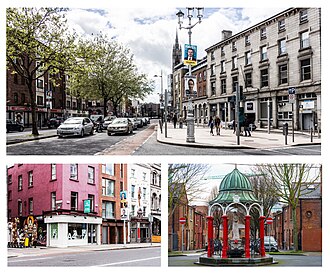
The Liberties is not merely a backdrop for ghost stories; its fabric—lanes, workshops and the remains of early industrial sites—creates the conditions for atmosphere. Low Georgian and Victorian facades, dimly lit alleys and the labyrinthine layout of streets like Thomas Street and Francis Street produce the sensory elements that make twilight a natural time to visit.
At dusk, the human scale of the area becomes more pronounced: narrow passages draw attention to texture and sound, and the shift in light helps both history enthusiasts and story-seekers imagine lives that once moved through these spaces.
Documented history of The Liberties’ streets and alleys
Documentary sources—maps, property records and municipal archives—show The Liberties as a working quarter shaped by markets, tanners, brewers and small manufacturers. The street plan reflects medieval plots later overlaid by commercial expansion. You will find reliable references to public markets, the presence of guilds, and the transformation of river-front and marshland into built land.
Urban development in The Liberties followed waves of industrialisation that brought breweries, distilleries and textile workshops. Records in public archives document property ownership, the layout of courtyards and notable court cases tied to the area’s businesses and residents; these items are useful for understanding how social and economic life produced the alleys you walk today.
When guides reference “court records” or “parish registers,” they are referring to primary materials that have been catalogued by archivists—materials you can consult if you want to distinguish what is documented from what has grown into legend. For a practical introduction to looking up such sources, see Tracing Dublin’s Haunted Houses in Public Archives: A Visitor’s Guide.
Catalogue of alleyway hauntings: legends, reported sightings, and what is (and isn’t) documented
The Liberties hosts a variety of local tales: phantom footsteps in narrow yards, a lonely figure seen near unused doorways, and stories tied to tragic accidents when workshops were less regulated. These narratives are part of the neighbourhood’s oral culture and have been told in different forms for decades.
Eyewitness reports tend to cluster around certain spaces: alley junctions where sound carries, courtyards with limited street lighting, and the edges of former industrial sites where derelict structures concentrate shadows. Such accounts are personal and often vary in detail; they are valuable for understanding the lived experience of place but are not always corroborated by archival records.
What is documented tends to be mundane but meaningful: reports of accidents, inquest records where deaths are recorded, and local newspaper coverage of crimes or fires. These sources explain why some locations have reputations that later evolved into ghost stories. For guided context that balances history and legend, we reference researched interpretations similar to those in St Patrick’s Cathedral After-Dark Legends and St. Michan’s Crypt Legends and Mummies.
Folklore vs. documented fact: how to read legend, archive evidence, and eyewitness accounts
Sort stories into three categories when you visit: archival fact, contemporary eyewitness report, and folklore. Archival fact comes from primary records; it is verifiable and repeatable. Eyewitness reports are individual experiences—interesting and sometimes compelling, but not proof of the supernatural. Folklore is communal storytelling that communicates values, fears and identity.
Reading these strands side-by-side helps visitors make sense of the atmosphere. For example, an inquest record that documents a workplace death explains the origin of an alley’s reputation; decades of retelling then transform that history into legend. A responsible tour separates these layers rather than conflating them.
If you want to dig deeper into how guides combine archives and story-telling responsibly, see our discussion on Why Intimate Dublin Ghost Walks Cost What They Do, which explains research and small-group interpretation in more detail.
Practical tips for twilight alleyway visits — safety, lighting, seasonal considerations, and respectful behaviour
Safety is the first priority. Stick to known lanes and recommended routes, avoid venturing into locked courtyards or private property, and stay with your group after dusk. Alley surfaces can be uneven; wear sturdy footwear with grippy soles.
Bring a reliable personal light; many of The Liberties’ alleys have limited municipal lighting and pockets of deep shadow. Use a low-power beam to avoid blinding others or altering the atmosphere for other visitors. If you are night-sensitive, consider bringing a small torch with adjustable brightness.
Seasonal factors matter: winter evenings are cold and may be slippery; summer twilight can be busier and warmer. Check weather and local event listings that might affect access or crowding.
Respectful behaviour includes keeping noise low, not trespassing, and avoiding intrusive photography in private or residential spaces. The Liberties is a lived neighbourhood; be mindful of residents and businesses operating late into the evening.
What to expect on a Twilight Tales tour with Ghost Tour Dublin Experience
Our Twilight Tales walks are designed for small groups to preserve atmosphere, encourage conversation, and allow for nuanced interpretation of both history and folklore. Guides draw on archival research and local testimony to tell layered stories—explaining what is recorded and what has become legend.
Routes typically focus on key lanes and courtyards where historical documentation and local stories intersect. Expect a mix of documented history—property and parish records, industrial context—and collected oral narratives. Guides will clarify which anecdotes are supported by archival evidence and which belong to the realm of remembered folk tales.
Group sizes are intentionally small so you can hear and ask questions without losing the ambience of the walk. Guides provide insight into architectural features, historical uses of sites, and how social history shaped the neighbourhood’s ghostly reputation. For another after-dark exploration in Dublin’s civic heart, consider pairing this walk with the Judicial Quarter Night Trail.
Photography, preservation, and reporting: etiquette for capturing and sharing what you see
Photography at twilight can capture compelling textures and atmospherics, but be mindful of privacy. Avoid photographing people without consent and do not use lighting or flashes that might disturb residents or other visitors.
Preservation-minded visitors avoid climbing on structures, propping open gates, or otherwise interacting with historic fabric. If you believe you have found an undocumented heritage feature or an unsafe condition, report it to local conservation authorities rather than attempting an intervention yourself.
If you capture an unusual experience and want to share it, note the context: time, weather, who you were with, and whether the account is firsthand or hearsay. That information helps researchers and tour guides assess the reliability of reports.
How to join: booking, times, ticketing, and recommended itineraries
Twilight Tales walks are best suited to travellers who want an intimate, interpretive evening in The Liberties. Book early to secure a place in small-group tours—the walking experience we offer emphasises a limited number of participants for quality and atmosphere.
Typical durations are between one hour and one hour and a half, allowing time to pause, listen and discuss the layers of history and folklore. Evening start times are chosen to match the shifting light that makes alleys feel both historic and mysterious. For booking and the latest schedule, please follow the link below.
Book your Twilight Tales walk with Ghost Tour Dublin Experience
If you prefer a private experience for groups or special events, we offer tailored Twilight Tales walks for closed groups—ideal for families, corporate outings, or private celebrations. Contact us to arrange a private tour that focuses on your interests and timing: private bookings and group experiences.
Parting note: an invitation to read the city carefully
The Liberties rewards attentive walking. Whether you come for documented history, the thrill of local stories, or a quiet twilight stroll, the area offers layered experiences that are best encountered slowly and respectfully. Small-group, guided walks allow you to connect archives with anecdote and to enjoy the alleyways without disrupting neighbourhood life.
Book your Twilight Tales walk with Ghost Tour Dublin Experience
FAQ
Are The Liberties’ alleyway hauntings based on documented history or local folklore?
Both. Some reputations arise from documented events—accidents, inquests or recorded crimes—that later become the seed for community storytelling. Much of what people call hauntings is folklore: oral traditions and repeated anecdotes that imbue places with meaning beyond archival records. A good guided walk will separate what is recorded in archives from what belongs to local legend.
Is it safe to explore these alleyways at twilight and are the tours suitable for families?
Guided twilight walks are designed to be safe and family-friendly, with small groups and an experienced guide. Visitors should wear appropriate footwear, carry a personal light, and follow safety instructions. For young children or visitors with mobility concerns, contact us in advance so we can advise on route suitability.
What should I bring or avoid (lighting, footwear, photography rules) on a twilight alley walk?
Bring sturdy, comfortable shoes and a small, adjustable torch. Avoid large tripods that obstruct footpaths, bright flashes that disturb others, and trespassing into private spaces. Keep noise low and be considerate of residents and businesses.
How do I book the Twilight Tales tour and what is the typical duration and group size?
Book online at our main site. Tours generally run for about one hour to ninety minutes and are limited to small groups to preserve atmosphere and offer a high-quality interpretive experience. For exact times, availability and private group arrangements, please visit the booking page.