
Winetavern Street medieval hauntings, Dublin — Night‑Walk Guide to History & Legend
Winetavern Street medieval hauntings, Dublin — Night‑Walk Guide to History & Legend
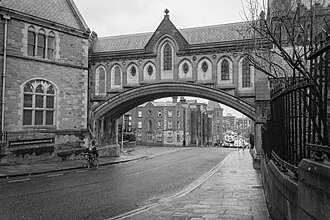
Winetavern Street sits at the edge of Dublin’s medieval core and carries a long blend of documentary record, archaeological evidence and a thriving local folklore about spirits and tavern ghosts. For night‑walk visitors the street’s narrow lines of stone and occasional glimpses of older masonry make it easy to imagine layers of the past; this guide helps you tell what is supported by evidence, what has grown from oral tradition, and how to see and hear the street responsibly after dark.
Book a Winetavern Street night‑walk with Ghost Tour Dublin Experience — join a guided after‑dark visit that balances archaeological facts and local legends while keeping safety and respect at the centre of the experience.
Documented past: what history and archaeology tell us about the street
Winetavern Street’s name and placement in the medieval city are recorded in historical sources and old maps: it was long associated with wine merchants and taverns that serviced sailors, traders and the urban population. That attested commercial identity explains much of the street’s reputation as a lively, sometimes rough, quarter in earlier centuries.
Archaeological work across Dublin’s medieval core has revealed building foundations, layers of re paving, household waste pits and other traces of everyday activity. Such finds demonstrate continuous urban occupation, patterns of trade and shifting street lines over time. These physical remains are the reliable backbone for our understanding of the area: they show where people lived and worked, where market activity concentrated, and how the street evolved as the city grew.
What archaeology does not do is confirm specific ghostly events. It can show that a violent death occurred only when human remains or clearly contextualised trauma appear in the record; most folklore about apparitions grows independently of those traces.
Common hauntings and local legends linked to Winetavern Street
Local storytelling often fills gaps left by the documentary and archaeological records. On Winetavern Street you will commonly hear tales of:
- ghostly tavern keepers or patrons who linger in doorways and cellars;
- figures tied to drownings or river‑side tragedies, given the area’s historical connection to docks and quays;
- anonymous processionals or shadowy shapes moving through narrow lanes at night;
- sudden cold spots and the feeling of being watched, reported by modern walkers and sometimes amplified into a story about a named victim.
These stories persist because they are evocative and often repeatable on a night walk. They perform social functions too: explaining ruinous buildings, warning children away from dangerous edges, or simply entertaining listeners.
Separating fact from folklore: how to evaluate claims of hauntings
To assess a haunting claim, begin by distinguishing three categories: documented history (archival records and archaeology), eyewitness testimony (contemporary reports) and folklore (stories passed orally or via tourism narratives). Each has a different evidential value.
Ask whether a claim is tied to a physical find or contemporary record. Archaeological reports and municipal archives can confirm whether a building was a tavern, a quay, or a burial site. Eyewitness reports are valuable but can be influenced by expectation, lighting, weather and group dynamics—what one person sees in an excited group is often reshaped by suggestion.
Also consider natural explanations: night‑time noise carries differently, reflections and low light create illusions, and historic sewer or drain systems can produce sudden drafts or sounds. If a haunting story involves a dramatic event, look for independent documentary support rather than a single retold anecdote.
For visitors curious about deeper investigation, readings on local vault tours and museum collections offer context; for an example of how place‑based legend is presented responsibly, see St Michan’s Vault Tours and Legends, Dublin — Visitor Guide & Tour Tips.
Best times, routes and safety tips for a Winetavern Street night walk
Early evening—when the light softens but before the very late hours—typically provides the best balance of atmosphere and safety. Weeknights can be quieter, while weekends are busier and noisier. If you want to catch a hushed, atmospheric moment, aim for just after dusk.
Choose a route that keeps to public streets and well‑lit lanes; narrow alleys can be evocative but may be privately owned or poorly surfaced. Wear sturdy shoes, bring a compact torch, and dress for weather; Dublin’s wind and rain can change a pleasant walk into a slippery one quickly.
Join a small group or a guided night‑walk rather than exploring alone. Guides from responsible operators know permitted routes, have basic first‑aid training, and can read the urban fabric for history as well as atmosphere. If you plan to photograph after dark, consult Low‑Light Photography Tips for Dublin Ghost Bloggers to make the most of the conditions without disturbing others.
Where to stand, photograph, and listen — suggested stops and vantage points
On a Winetavern Street night walk you’ll want a mix of spots that show visible masonry and quiet pockets that allow storytelling to land. Look for places where older stonework meets later repairs: junctions that reveal different paving, recessed doorways that catch a lone beam of light, and short stretches of pavement that are sheltered from wind.
Take photographs from tripod‑level where allowed, or steady your camera against a wall for long exposures. Low light rewards patience: give a scene a few minutes, watch how shadows shift, and listen—much of the atmosphere on Winetavern Street is a soundscape of distant traffic, gulls and the river beyond.
If your curiosity extends beyond this street, consider pairing the visit with other after‑dark routes that explore Dublin’s waterways and stories, such as the Grand Canal Dock After‑Dark Story Trail, Dublin: An Evening Guide to History & Folklore.
How Ghost Tour Dublin Experience frames Winetavern Street on our night tours
On our Winetavern Street night‑walks we aim to be atmospheric but accurate. Guides make an explicit distinction between what is documented, what comes from archaeological layers or archival records, and what emerges from oral tradition or later storytelling. We present each story’s provenance so visitors can judge its weight.
We also prioritise visitor safety and respect for local residents and businesses. Routes are planned to avoid private property and areas under repair, and groups are kept deliberately small so the guide can answer questions and moderate tone. We encourage guests to photograph responsibly and to read up on photographic technique with our Low‑Light Photography Tips resource if they plan to shoot after dark.
For local operators and people curious about how small night‑walks are run sustainably, our practical approach is informed by industry thinking—see Pricing Strategies for Small Dublin Night-Walks — A Practical Guide for Dark-History Operators for related operational ideas.
Book a Winetavern Street night‑walk with Ghost Tour Dublin Experience. If you’re organising a private group, we can tailor the route and tone to suit families, photography groups, or deeper historical enquiry—contact us to discuss a private booking.
FAQ
Are the Winetavern Street hauntings historically documented or mainly folklore?
They are mainly folklore. The street’s function as a historic commercial thoroughfare is supported by documentary records and archaeological evidence, but most ghost stories arise from oral tradition and modern retellings. Archaeology and archives can confirm buildings and activity, not spectral encounters.
Can I join a guided night walk that focuses on Winetavern Street?
Yes. Guided night‑walks led by experienced operators like Ghost Tour Dublin Experience focus on responsible storytelling, combine historical context with local lore, and ensure safe routes. See our booking page to reserve a spot.
Is Winetavern Street suitable for families or younger visitors at night?
It can be suitable depending on the time and tone of the tour. Early evening family‑friendly walks that avoid darker alleys and graphic tales work well. Check with the tour operator about age guidance and choose a tour that specifies a family focus if you are travelling with children.
Where can I find displays or exhibits related to the street’s archaeology and history?
Museums and city archaeology displays in Dublin’s medieval quarter often include material related to Winetavern Street’s context. In addition to general city archaeology exhibits, look at local attractions and specialist guides—our note on Dublin Writers’ Museum Paranormal Corners, Dublin: A Visitor’s Guide points to how cultural sites present place‑based stories and material culture for visitors.