
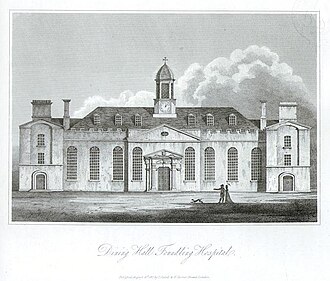
Workhouse Districts After‑Dark: Relief Houses and Dublin’s Cold Shadows
Dublin’s workhouse districts hold a dense, uncomfortable history that becomes more tangible after dusk: brick facades, lanes once lined with relief houses, and the hush that allows stories—both archival and oral—to surface. This guide is written for tour operators, heritage professionals and curious visitors who want to understand how to present workhouses at night with accuracy, empathy and commercial viability.
Book your Ghost Tour Dublin Experience: Night walks through workhouse districts
Why Dublin’s Workhouse Districts Matter After Dark: context for visitors
Workhouses were instruments of the Poor Law system and shaped urban life across 19th-century Dublin. By visiting these districts after dark, you can feel the scale and proximity of former relief houses, infirmaries and attendant buildings in a way daytime sightseeing often flattens. Night-time interpretation offers atmosphere, but it also raises ethical questions: whose stories are told, and how?
Mapping the Relief Houses: documented sites, surviving buildings and myth
Begin any after‑dark walk with a factual map. Identify surviving workhouse buildings, former relief houses and related institutions from archival records and local archives. Distinguish three categories on your route: extant workhouse structures, sites where buildings were demolished but the footprint survives, and places where later folklore has claimed a workhouse once stood.
Many surviving structures are modified and repurposed—counties, unions and municipal records will confirm their original function. Where physical evidence is lacking, flag the stop as “probable” or “site of local memory” rather than presenting it as fact. For guidance on preparing route material beyond workhouses, see our night‑walk resources such as Lost Lanes Night-Walk and the thematic context of urban servants in Coachhouses and Servant Quarters.
Life Inside the Workhouse: recorded conditions, admissions and the Poor Law framework
Documented history—poor law records, workhouse minute books, and contemporary reports—describe strict regimes of admission, separation of sexes, and rationed relief. Conditions varied widely between institutions; some had infirmaries and schoolrooms, others were short on space and supplies. Use primary documentation when available and avoid generalising from a single source.
When explaining the Poor Law framework to an audience, focus on structure rather than sensational detail: eligibility criteria, the role of the guardians, and how relief houses functioned as part of a broader system. Accurate interpretation lends authority to a night walk and shows respect for former residents’ experiences.
Shadows and Stories: separating folklore and ghost lore from archival evidence
Local folklore often fills gaps left by the archive. Ghost stories may draw on an emotional truth about suffering, but they are not the same as documented fact. Be explicit with your audience: label archival points as “documented” and spectral tales as “oral tradition” or “local legend.”
Collect oral histories responsibly—obtain consent, record provenance and note when a story is retold. Our practical guide to archiving oral ghost histories explains the cost and ethical steps for operators who want to bring community voices into their programming: Archiving Dublin’s Oral Ghost Histories.
Designing a Responsible After‑Dark Tour: narrative choices and community sensitivity
Responsible interpretation balances atmosphere with accuracy and dignity. Principles to adopt:
- Prioritise documentary context before anecdote. Start each stop with the verifiable facts and then offer folklore as community perspectives.
- Consult local residents and heritage groups early. They can flag sensitivities and offer access to materials or living memory.
- Avoid spectacle that trivialises suffering: no mockeries, no overly theatrical re-enactments of distressing scenes.
- Provide trigger warnings for material that may distress audience members and offer opt-out options for children or vulnerable participants.
Interpretive best practice also includes signage, translated guides as needed, and links to further study for visitors who want to learn more during daylight visits.
Commercial Considerations: ticketing, pricing, partners and sample tour models
Set pricing that reflects research and specialist interpretation. Consider tiered tickets: a standard public walk, a specialist historian-led edition, and a premium small-group private tour. Partnerships can broaden appeal—local museums, historical societies and academic departments often seek collaboration.
Collaborative examples to explore: joint-ticketing with a nearby museum, co‑led nights with a university historian, or a package combining a daytime archival visit and an evening walk. Grants and heritage funding may offset development costs; see our resource on funding dark-tourism projects for operators: How to secure grants and heritage funding for Dublin dark‑tourism projects.
Sample models:
- Public 90‑minute walk: 20–30 people, narrative mix of documented history and local folklore.
- Scholarly seminar-walk: limited to 12, includes archival handouts and a post‑walk discussion.
- Private commemoration: small group, tailored to community or descendant groups, with enhanced sensitivity protocols.
Safety, Access and Legalities for Night Walks: permissions, liability and accessibility
Night tours require careful operational planning: public liability insurance, permissions for private land or restricted courtyards, and coordination with local authorities. Check with local councils about amplified voice limits and permitted hours in residential neighbourhoods.
Accessibility must be explicit at booking: surface conditions, steps, lighting, and seating availability. Offer alternatives—a daytime guided visit to the same sites or a short virtual briefing for those unable to join the night walk in person.
Sample 90‑Minute Route through a Workhouse District and Scripted Stops
This sample walk is designed for a group of 20–25 participants, beginning at dusk and moving at a slow pace with five stops.
Stop 1: Outline and Context (Assembly point)
Script prompt: “Welcome. Tonight we’re standing where administration met need: this district coordinated relief for thousands. We’ll begin with what the records tell us about policy and procedure.”
Audience prompt: Ask participants to note building materials and street widths that would have shaped daily movement.
Stop 2: Extant Relief House
Script prompt: “This building retains its original block-plan. The workhouse separated children, men and women; infirmaries were often adjacent. Here are the documented facts…” (present short extracts from minute books or printed summaries).
Audience prompt: Invite quiet reflection—how does the building’s scale affect your sense of the lives once lived here?
Stop 3: Footprint Site with No Building
Script prompt: “No structure survives, but municipal maps and rate books show relief functions here. This is a place of absence where memory often fills the gap.”
Audience prompt: Offer the distinction: “What part of the story is from archive, and what is from local story?” Encourage discussion.
Stop 4: Oral Memory Corner (with recorded testimony)
Script prompt: “We’ll listen to a short, anonymised oral account recorded with consent. Note how personal memory complements the archive.” (Play or read testimony.)
Audience prompt: Ask participants to consider the ethical dimensions of retelling this testimony to visitors.
Stop 5: Concluding Reflection and Practical Resources
Script prompt: “We’ve moved between records and stories. If you want to learn more, daytime archival visits or museum partners can expand this picture.” (Offer partner recommendations verbally and in a follow-up email.)
Audience prompt: Invite feedback and provide signposting to further reading.
Interpretive Scripts and Audience Management
Keep scripted remarks short and evidence‑based. Use sensory prompts—sounds, light, and spatial observation—to help audiences connect without sensationalising suffering. Allow time at each stop for questions and manage group pace so residents are not disturbed.
Book your Ghost Tour Dublin Experience: Night walks through workhouse districts
For private groups and bespoke commemoration tours, please contact our private bookings team: Book your Ghost Tour Dublin Experience: Night walks through workhouse districts
Further reading and related walks
Pair a workhouse night walk with thematic routes to broaden context and visitor interest. For example, our guide to lesser‑known haunted pubs offers a social angle on urban life: Offbeat Haunted Pubs in Dublin. These combined experiences can increase ticket appeal while encouraging responsible tourism practices.
FAQ
Are Dublin workhouses open to night visits or are tours restricted?
Access varies. Many former workhouse buildings are private or repurposed; some sites are public thoroughfares. Night visits often require permissions for private property and must respect local bylaws. Always check with property owners and local councils before planning a route.
Will the tour focus on ghosts or on documented social history?
We recommend a balanced approach: base the core narrative on documented social history and use folklore and ghost stories as interpretive layers explicitly labelled as oral tradition or legend. This preserves credibility and honours lived experience.
Is a workhouse night walk suitable for children or visitors with mobility needs?
Not all night walks are suitable for children or visitors with mobility impairments. Clearly state accessibility details at booking, offer alternative daytime visits or shorter routes, and provide content warnings for sensitive material.
How do you ensure tours are respectful to local communities and former residents’ memories?
Consult local stakeholders early, use archival sources responsibly, obtain permissions for oral histories, avoid sensationalism, and offer educational framing. If a family or community group requests a commemorative approach, be prepared to adjust content and format accordingly.