
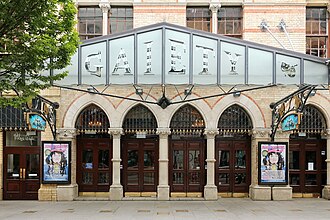
Theatre Ghost Stories in 19th‑Century Dublin Playhouses
Dublin’s theatrical quarter still carries the echoes of footlights, murmured applause and the occasional creak that audiences of the 19th century would have known well. The city’s surviving playhouses—grand houses and smaller music halls—sit amid modern streets but keep atmospheric corners: raked seating lines, cramped corridors, trapdoors and backstage spaces that feed both historical curiosity and the imagination. This guide helps visitors separate documented history from folklore and offers practical, after‑hours tourist advice for a theatrical ghost‑story experience in Dublin.
Why 19th‑century playhouses still spark ghost stories
The 19th century was an era of rapid urban growth, popular entertainment and theatrical innovation. Playhouses were crowded, often wooden‑lined and lit by candles or gas. Those factors created conditions for accidents, dramatic collapses and devastating fires—events that register strongly in community memory. Add the theatre’s theatrical culture—tall emotions, vivid stories, and closely knit casts and crews—and it is easy to see how real events were retold and reworked into haunting narratives.
A short historical snapshot: what 19th‑century Dublin theatres were like
Audiences ranged from the fashionable boxes to the standing pit. Playbills and bills announced melodramas, comedies, burlesques and variety acts. Architecturally, the era favoured proscenium arches, balconies and fly towers where scenery changed quickly. Interiors used timber, plaster and heavy textiles, all of which contributed to a warm but combustible environment.
Theatre staff worked long hours in cramped conditions: stagehands, wig‑makers, costumiers and actors moving through narrow corridors and basement workshops. That close, sometimes hazardous working environment is often the seed for later stories about apparitions or unexplained noises attributed to former performers and crew.
How to distinguish documented incidents from folklore
When reading a ghost story, ask whether the claim points to contemporary documentation or to later retelling. Documented incidents are those that appear in archival records: newspaper reports, coroner’s inquests, theatre playbills, company diaries and municipal records. Folklore grows on top of that: oral stories, embellishments in guidebooks, and modern retellings that add drama.
Methodology for separating fact from fiction
– Start with primary sources where possible. Newspapers from the period recorded fires and accidents and can confirm that an event occurred.
– Look for multiple independent accounts. A single sensational anecdote in a later tourist guide is less reliable than several contemporary reports.
– Consider the plausibility of the detail. Repeated retellings tend to add theatrical elements—dramatic last words, precise times, names of people—that may not appear in original records.
– Treat oral history as valuable cultural evidence but distinct from verifiable fact: it shows how communities remember and interpret past events.
Notable venues linked to theatre ghost stories — what survives and what to look for
Several playhouses with 19th‑century histories remain part of Dublin’s cultural landscape. Places such as the Gaiety and Smock Alley retain physical features typical of older houses: tight backstage stairways, dressing rooms tucked under the stage and original archways. These physical traces are as important to the atmosphere as the stories themselves.
What to look for on site: uneven floorboards, low rafters in former workshop areas, corridors with faded paint and old cast‑iron fittings. These are the locations where visitors often report a heightened sense of presence—sensory impressions that are meaningful whether described as memory, architecture or imagination.
Common theatre legends and how they likely started
Theatre legends fall into recurring categories: the tragic performer who died “during a run,” the ghost in the dressing room, and residual activity tied to stage accidents or fires. Often, a small kernel of truth—an onstage injury, a medical death, or a frightening near‑miss—becomes the seed for a fuller ghost story over decades.
Stage accidents and fires
Accidents onstage and off were not uncommon in the 19th century. Gas lighting, open flames and complex scenery increased risk. When a significant incident occurred, it was recorded in official and press reports; later narrators might focus on the human drama and turn a workplace accident into a haunting tale.
Actors’ lore and the “theatre ghost” trope
Actors are storytellers by trade, and theatrical communities are deeply superstitious. Tales of unseen hands, disembodied applause or a cold patch backstage are frequently part of an actor’s lore—stories told to bind a company together or to explain an unexplained technical glitch. Such lore is culturally valuable even when it is not historically verifiable.
After‑hours visiting: safety, access, permissions and etiquette
Many historic playhouses are active cultural venues and are private property outside public opening hours. Do not attempt to enter a theatre after hours without permission. Besides legal concerns, there are real safety risks: dark staircases, trip hazards and live electrical systems.
Etiquette for curious travellers: stay respectful of performance spaces, avoid loud behaviour, do not touch delicate historical fittings and follow any staff instructions. If you encounter a reopened building, treat it as you would a museum: observe but do not disturb.
What to expect on a Ghost Tour Dublin Experience theatre night walk
Our theatre night walks are designed to combine credible history with atmospheric storytelling. Expect a guided route that highlights surviving features of 19th‑century playhouses, access to safe public vantage points near historic theatre exteriors, and explanations that clearly mark the difference between recorded events and later legend.
Typical itinerary and duration
A theatre‑focused night walk is usually 60–90 minutes, conducted on foot with stops outside or near surviving theatre buildings. Where permissions allow, small groups may be led into auditorium foyers or lobby areas after hours. The guide will point out architectural details and recount both documentary facts and local stories, clarifying the evidence for each.
Storytelling approach
Our guides use an atmospheric but credible tone: we present documented incidents—reported accidents, recorded fires, worker testimonies—alongside oral traditions. When a tale is legend rather than fact, we say so. The result is an engaging tour that allows you to enjoy the thrill of a ghost story while understanding its origins.
Practical tips: best times, photography rules, accessibility and booking info
Best times: evening tours offer the most atmospheric conditions while still being safe and legal. Avoid late‑night solo visits to isolated spots. For a quieter experience, choose weekdays outside peak tourist season.
Photography: flash and tripods can be disruptive in historic interiors. Please ask your guide about photography rules for each stop. Respect the wishes of venue staff and other tour members.
Accessibility: many historic theatres retain steps, narrow corridors and uneven flooring. If you have mobility concerns, contact us in advance to discuss route adjustments. Some areas are unsuitable for mobility aids, but we will do our best to provide an accessible experience.
Booking: small‑group and private tours are available. For standard evening walks and to secure your place, use the main booking link below.
For private groups, corporate events or school bookings, we can tailor the route and content to your needs. Contact us to arrange a private after‑hours experience for small groups and special events: Private groups and bookings with Ghost Tour Dublin Experience.
Places to explore further on foot
Ghost Tour Dublin Experience offers many themed walks beyond theatres. If you’re tracing industrial echoes and abandoned sites, see the Tolka River Mills Ghost Trail — Abandoned Industry and Eerie Echoes. For burial‑site history and spectral legends, our piece on Plague Pits and Forgotten Burial Grounds in Dublin is useful. Night tales from former academies appear in Haunted Schools: Night Tales from Dublin’s Former Academies. For suburban odd sightings, consult the Terenure Lane Apparitions walking guide. And if you prefer turnpike lore, try our Tollhouse Tales night walk guide.
FAQ
Are the ghost stories about these playhouses based on documented events or just local legend?
Many theatre ghost stories grow from a mixture of both. Some elements—fires, injuries, even deaths—are documented in period records. Other aspects are oral tradition or later embellishment. On our tours we point out which parts are backed by archival evidence and which are part of the theatre’s folklore.
Can visitors enter these theatres after hours, and do you offer guided after‑hours tours?
Access policies vary by venue. Many theatres are private and require permission; we arrange guided after‑hours access to suitable public areas where possible. Our advertised night walks provide safe after‑hours experiences; contact us ahead to confirm which interiors or backstage areas can be included.
Are theatre ghost‑story tours suitable for children or people sensitive to spooky content?
Tours are atmospheric rather than graphic. We tailor content and tone for mixed groups and can advise if a particular tour or stop includes material that might be unsettling for children or visitors sensitive to disturbing themes. If you are booking for family groups, tell us in advance so we can adapt the storytelling.
How do I book a theatre‑focused ghost walk with Ghost Tour Dublin Experience and what should I bring?
Reserve your place online: Book an after‑hours theatre ghost tour with Ghost Tour Dublin Experience — reserve at https://www.ghosttourdublin.com/ Bring comfortable shoes, a charged phone for photos and emergency contact details. A small torch can be useful, but ask about photography and lighting rules on arrival. If you require special access or a private group booking, contact us in advance through the main site.