
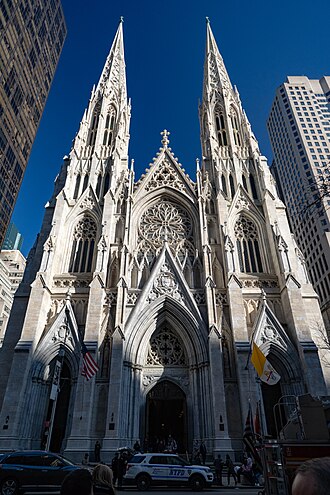
St Patrick’s Cathedral after-dark legends combine the weight of centuries with the imagination of storytellers: a spectacular Gothic silhouette, layers of ecclesiastical history, and an urban landscape that tightens into shadow when the daylight fades. For visitors who want thrills without blurring the line between documented record and folklore, this guide separates what is historically verifiable from the tales commonly told on evening walks, explains how guides frame those stories, and offers practical advice for a respectful, atmospheric night visit.
Book a guided after-dark tour with Ghost Tour Dublin Experience
Why St Patrick’s Cathedral attracts after-dark stories: architecture, history, and atmosphere
The cathedral’s size, stonework and elevated position in the city create a natural stage for storytelling. Weathered masonry, shadowed buttresses and the hush inside aisles after sunset shift perception; ordinary creaks or distant city sounds read as something older or uncanny. That atmosphere encourages narratives—some rooted in local memory, others enhanced by the performative needs of night walks.
Because St Patrick’s is both a major tourist site and a working cathedral, it sits at the crossroads of pilgrimage, civic history and everyday life. That mix of sacred function and public access means many stories accumulate: memorial inscriptions, notable burials, and rituals give anchors that storytellers can use when weaving more speculative material.
Documented history: verifiable events, notable figures, and archival records to know before your visit
Before you accept any dramatic claim as fact, it helps to know what is clearly documented. St Patrick’s Cathedral is an ecclesiastical foundation with medieval origins that has undergone numerous restorations and changes in use. It has long been a place of worship, ceremony and commemoration, with many memorials and tombs visible to visitors.
Among the verifiable elements that shape the cathedral’s character are its role as a national landmark and the presence of notable historical figures associated with it. The cathedral’s links to literary and ecclesiastical history are often referenced by guides—Jonathan Swift, for instance, is a named and well-documented figure tied to the building.
Archival records, guidebooks and the cathedral’s own visitor information are the best sources for what is confirmed: lists of monuments, known burials, restoration histories, and official statements about access. If you want to verify a specific claim you hear on a walk, ask your guide for their source or consult the cathedral’s official resources after the tour.
After-dark legends and reported sightings: common tales, where they likely originated, and which elements are folklore vs documented fact
Evening tours frequently present a mixture of three kinds of material: documented history (names, monuments, recorded events), well-attested local memory (an incident remembered by residents or recorded in local press), and folklore—stories that have evolved through oral retelling and dramatic embellishment.
Common themes you’ll hear on after-dark walks around St Patrick’s include: unexplained footsteps or voices in quiet corners, a sense of movement around tombs or choir stalls, and anecdotes of figures seen in peripheral vision near the cathedral grounds. Guides often frame these as “reported sightings” or “local stories” rather than established fact.
Origins for many of these legends are practical. Old buildings settle and expand with temperature changes; bell ropes and organ mechanisms can cause unexpected noises; wind in imperfectly sealed windows produces whistling or moaning sounds. Memorial plaques and tombs draw attention to lives lived long ago, and those focal points naturally become characters in nighttime narratives.
When a guide tells a story about a “presence” or an apparition, listen for cues: are they citing witness testimony, press reports, or family lore? If a claim lacks a verifiable source, treat it as folklore—interesting and atmospheric, but not established fact.
Stories that shape tours: the most-told legends (who they involve and how guides frame them)
Tour storytellers select a handful of memorable narratives to create atmosphere. These often revolve around named individuals, monuments, or dramatic events connected to the cathedral grounds. Guides typically present three layers in these accounts: the historical anchor, the reported experience, and a theatrical flourish to finish the scene.
Examples frequently encountered on nightly routes include anecdotes tied to well-known figures associated with the cathedral, tales about unusual memorials in the nave, and accounts of late-night maintenance workers or clergy who have experienced odd phenomena. Reputable guides will distinguish clearly—saying for example, “This monument is real; the sighting is a local report”—so you can judge credibility for yourself.
Good tours use legend to illuminate context rather than to mislead. They connect a spooky anecdote back to architecture, a funerary monument, or a social history point—turning legend into a hook for deeper learning rather than replacing the historical record.
What to expect on a night visit: access, lighting, photography, and best times for atmosphere
St Patrick’s is a functioning cathedral, so access after dark varies with services, events and official opening hours. Many after-dark experiences are organized as guided walks that include exterior viewing and stories told in the squares, lanes and graveyard areas; some special events may provide limited interior access under supervision.
Lighting is deliberately low on many evening walks to preserve atmosphere. Expect spot illumination on architectural highlights and shadowed corridors elsewhere. Bring a small, non-disruptive torch or use your phone light sparingly; avoid bright flash photography inside sacred spaces unless explicitly permitted.
For the best atmosphere, aim for a clear night with minimal street noise—weekday evenings outside major event times are usually calmer. Tours often schedule to coincide with dusk and the early night hours when the city’s bustle eases and the cathedral’s silhouette becomes more dramatic.
Responsible storytelling and site etiquette: respecting a working place of worship while enjoying dark-history narratives
Respecting the cathedral’s ongoing religious function is essential. That means following posted rules, keeping voices low inside and near the building, and avoiding disruption during services or private events. Many guides pause or move groups if a service is in progress; follow their cues.
Never treat memorials, tombs or inscriptions as props. Do not touch or climb on monuments, and observe photography guidelines—some memorials or interior areas may be off-limits for images. If a guide asks you to keep moving or to remain silent for a solemn moment, it’s both courteous and important for preserving the dignity of the site.
Responsible storytelling also means clearly labeling hearsay, distinguishing between documented history and local tales, and avoiding sensational claims that disrespect those commemorated on-site. Ethical guides will present folklore as cultural material rather than as verified truth.
How to join an after-dark guided experience in Dublin: booking tips, what guides typically include, and practical visitor advice
To experience St Patrick’s Cathedral after-dark with context and care, book a guided walk with an operator that emphasizes historical accuracy and responsible interpretation. Professional night tours balance atmospheric storytelling with clear signposting of what is documented and what is legend.
When booking, check what the evening route includes: exterior-only viewing, interior access, length of the walk, and group size. Smaller groups are quieter and allow for focused interpretation. Confirm what is allowed regarding photography and whether the route passes other dark-history sites—many walks link several city locations for a richer narrative, such as the Judicial Quarter Night Trail: Courts & Midnight Benches or routes that touch on nearby hauntings.
Practical tips: wear sturdy footwear (cobbles and uneven paving are common), dress for weather (Dublin nights can be damp and windy), and bring a charged phone for maps and emergency contact. If you have mobility needs, ask about accessibility in advance; many historic sites have limited access in certain areas.
Some tours offer private-group options for celebrations or research-oriented visits—if you need a tailored itinerary, consider arranging a private experience through the tour operator’s group booking channel. For those wanting a broader sense of Dublin’s dark-history networks, other themed guides cover related areas, from apparitions at Beggars Bush Barracks to whispers in Trinity College’s Long Room and waterfront reports at the Custom House.
Book a guided after-dark tour with Ghost Tour Dublin Experience
If you’re planning a special event or private group visit, the operator can arrange a tailored night walk—contact the private groups page to discuss times, route focus and accessibility. Private bookings are ideal if you want a deeper archival focus or a family-friendly approach that downplays the scarier material.
For those interested in the wider context of presenting dark history, there are ongoing conversations about funding and cultural responsibilities for tours and exhibits; see resources on how cultural funding supports responsible interpretation of difficult histories.
FAQ
Are the after-dark legends of St Patrick’s Cathedral based on documented events?
Some elements told on tours are based on documented facts—names, monuments, historical roles of the cathedral—while the ghostly or supernatural elements are usually oral folklore or witness reports. Reputable guides will distinguish clearly between archival record and reported experience; if you want verification, ask for the source or consult the cathedral’s official information.
Can I visit St Patrick’s Cathedral at night without a tour?
Access after dark depends on the cathedral’s opening hours, services and special events. Some nights the grounds may be viewable from outside, but interior access is often restricted. Joining an organized evening walk is the most reliable way to experience the site after dark with context and safe access.
Are there safety or dress-code considerations for after-dark visits inside the cathedral grounds?
Safety considerations are straightforward: wear appropriate footwear for uneven paving, bring weather-appropriate clothing, and follow any guidance on flash photography or touching memorials. Dress respectfully—this is a working place of worship—and follow the guide’s instructions during services or quiet moments.
How can I book a guided after-dark tour that includes St Patrick’s Cathedral?
Book directly with experienced local operators that advertise after-dark routes and specify St Patrick’s in the itinerary. For a recommended option, Book a guided after-dark tour with Ghost Tour Dublin Experience—or inquire about private-group bookings if you need a tailored visit.