
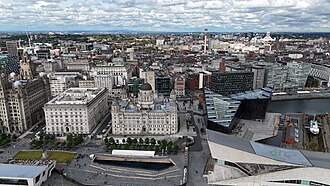
North Docklands Twilight Curiosities Trail: Docklands Dark History & Folklore Walk
The North Docklands of Dublin are an area of contrasts: glass and cranes, old brick warehouses and long, reflective stretches of water. At twilight the Docklands take on a particular mood — the modern lights glinting on water, the silhouette of historical quays and piers, and the hush that makes stories feel possible. This guide is a practical twilight route for curious visitors who want a credible primer on the area’s documented industrial and maritime past, a clear separation of folklore from record, and tips for experiencing the trail safely and memorably.
Book the North Docklands Twilight Curiosities Trail with Ghost Tour Dublin Experience
Why the North Docklands sparkle at twilight
Twilight compresses time. The modern Docklands, redeveloped in recent decades, sits alongside vestiges of a working port era. Reflections on the water and the angular shapes of cranes and bridges create a cinematic backdrop. That atmosphere encourages questions: Who worked these quays? What happened in these warehouses? Which stories are true and which are later inventions?
A concise historical primer — documented industrial and maritime heritage of the North Docklands
The Docklands grew where river and sea met commerce. The area became a focus for shipping, warehousing and light industry; quays, slipways and bonded warehouses were core infrastructure. Surviving brickwork, iron railings and large arched openings in buildings are physical reminders of cargo handling and cold storage systems that supported trade.
Documented history here is mostly pragmatic: docks expanded, railway lines served warehouses, and jobs clustered around loading and repair. Shipping records, trade directories and surviving building fabric confirm this functional past. Where the Docklands intersected with densely populated neighbourhoods, social histories record labour disputes, tenement life and the rhythms of shift work rather than the spectral dramas that later storytellers described.
Trail route and timing: a recommended twilight itinerary with key curiosities to watch for
This itinerary is designed for a clear one- to two-hour twilight walk and assumes a steady pace with stops to photograph and read plaques or interpretive signage.
- Start at a visible landmark on the north side of the river so you can watch the light shift on the water.
- Follow the quays westwards, pausing at distinctive warehouse fronts and surviving dockside fixtures.
- Cross a pedestrian bridge where you can view both sides of the water — twilight reflections and industrial silhouettes are best seen here.
- Finish near a modern plaza or café where lights are on and public transport is easy to access.
Best time to start: shortly before sunset. That way you capture the warm light on brick while still having enough ambient light for safer walking and photography.
Spotlight stops: interpreting warehouses, quays, memorials and other artefacts
Below are typical curiosity stops you’ll encounter. Each entry distinguishes recorded history from folklore so you can judge how much weight to give each story.
Old warehouse facades
Recorded history: Many warehouses were designed for storage and redistribution of imported goods. Features like loading doors, hoists and rail tracks are functional evidence.
Folklore: Stories of hidden rooms, smuggling tunnels or long-lost treasure sometimes attach to these buildings. While smuggling did occur in port cities historically, specific claims of secret vaults often lack documentary support unless backed by archaeological work or contemporary records.
Quayside moorings and bollards
Recorded history: Moorings, bollards and ironwork speak to the daily practice of handling ships and barges. They are tangible markers of the maritime economy.
Folklore: Local tales sometimes personify these objects—claims that certain bollards are “cursed” or linked to tragic drownings are oral traditions. Such stories often grow from isolated incidents or community memory rather than formal records.
Memorial plaques and civic stones
Recorded history: Plaques usually commemorate events, people or institutions; their inscriptions are reliable starting points. Read them closely for verifiable information.
Folklore: Around some memorials there are whispered anecdotes—ghostly processions, recurring noises or unexplained lights. These are part of the local oral tradition and may reflect how communities process loss and change.
Bridges and pedestrian crossings
Recorded history: Bridges have engineering records; design and purpose (rail, road, pedestrian) are documented. Look for manufacturer plates or council signage for factual context.
Folklore: Bridges attract legend—stories of lovers’ meetings, accidental falls, or supernatural impressions. These narratives enrich the experience but are not the same as archival evidence.
Local legends and reported sightings: separating oral tradition from documented evidence
Oral tradition thrives in places where the past is visible but not entirely legible. People fill gaps with stories. That is part of cultural heritage. When you hear a dramatic tale on a twilight walk—an apparition reported by a night watchman, or a ship’s horn that seems to come from nowhere—ask: is there a primary record? Police logs, newspapers, shipping manifests or municipal reports are the kinds of documents that convert anecdote into documented incident.
Many reported sightings fall into three categories: misidentified natural phenomena (reflections, fog, light on water), personal experiences later shared and embellished, and deliberate storytelling. None of these categories negate the emotional truth of an account, but they do matter for historians and visitors who want to understand what can be verified.
Practical visitor guide — safety, lighting, transport, accessibility and best times for photography
Safety: Stick to well-lit paths and avoid industrial yards or restricted areas. Docklands can include uneven surfaces and steps; wear sturdy shoes and a light jacket for sudden breezes off the water.
Lighting: Twilight is atmospheric but can turn quickly to darkness. Bring a compact torch or use your phone’s light sparingly so you don’t spoil the mood for other visitors.
Transport: The Docklands are well-served by public transport. Plan your route home before you set out, especially later in the evening when services are less frequent.
Accessibility: Parts of the route are level and suitable for wheelchairs or mobility aids, but older quays and bridges may have steps or narrow walkways. Check local signage and, when in doubt, choose the more modern promenades.
Photography: Golden hour and the first blue hour after sunset offer the best combination of colour and atmosphere. Use a tripod for long exposures over water and experiment with reflections.
How to experience it: self-guided tips, recommended apps or audio, and why to consider a guided Ghost Tour Dublin Experience
Self-guided tips: Download an offline map and mark the key stops. Take notes on plaques and building features, and compare them later with online resources or archive collections if you want deeper context.
Apps and audio: General walking apps, offline maps and simple audio recorders are useful. If you’re producing a recorded companion for a group, consider reading practical notes in short segments rather than long monologues; concise tracks work best at twilight. For those interested in audio production and tour design, see our piece on Affordable Sound Design for Dublin Ghost Audio Tours: A Practical Guide.
Why consider a guided experience: A trained guide can point out subtle architectural clues, explain the difference between verified events and oral tradition, and provide a safe, engaging route after dark. If you want a deeper narrative that blends documented history with local lore, a Ghost Tour Dublin Experience offers curated storytelling tied to specific Docklands spots.
Book the North Docklands Twilight Curiosities Trail with Ghost Tour Dublin Experience
We also offer private group bookings for bespoke experiences. If you’re organising a corporate event, private gathering or adaptive-access tour, please enquire about tailored options at our private bookings page: Private group bookings with Ghost Tour Dublin Experience.
For visitors who want to explore related Dublin twilight walks, the city has other themed routes that pair history with atmosphere—consider evening walks in nearby quarters to expand your understanding of how folklore and urban change interact. See pieces like Smithfield Lanes: After-Dark Oddities in Dublin’s Historic Quarter, Portobello canal-side hauntings: A visitor’s guide to history, lore and walking the Grand Canal edge, or our suburban perspectives in Rathgar at Dusk: Suburban Sightings and Local Lore and Clonskeagh Manor Whispers and Local Legends: History, Folklore & Visitor Guide.
FAQ
How long is the North Docklands twilight curiosities trail and when is the best time to start?
The recommended route takes roughly one to two hours at a relaxed pace with photography stops. Start shortly before sunset to catch the golden hour on brickwork and the first blue hour reflections on the water; this timing also keeps you safer on public paths.
Is the route suitable for families, older visitors or people with limited mobility?
Many sections are family-friendly and accessible, but some historic quay areas have steps, uneven surfaces or narrow walkways. Choose the modern promenades for wheelchair access and follow signage. If in doubt, a guided tour can select the most accessible path for your group.
Which stops on the trail are backed by documented history and which are local legends?
Structural features—warehouses, bollards, bridges and plaques—are backed by documented, physical evidence and municipal records. Tales of apparitions, secret vaults or recurring hauntings are part of local legend or oral tradition. This guide flags each stop with a clear distinction between recorded history and folklore so you can weigh each claim.
How can I book a guided twilight or evening tour with Ghost Tour Dublin Experience?
To book a guided North Docklands twilight tour or to enquire about private groups and specialised itineraries, please visit our booking page: Book the North Docklands Twilight Curiosities Trail with Ghost Tour Dublin Experience.