
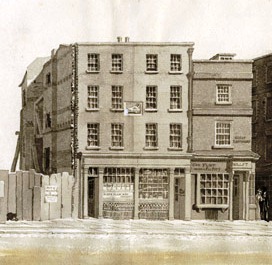
Phantoms of Dublin Coaching Inns: Hauntings in Historic Lodgings
Coaching inns once formed the backbone of Dublin’s hospitality network: staging posts where horses were changed, mail was sorted and travellers paused between cities. Their pub rooms, cellars and back yards were busy places—ideal environments for late-night tales, local tragedies and the oral traditions that accrete around threshold spaces. This guide profiles surviving pub rooms and former inn sites in Dublin, separates recorded fact from folklore, suggests a half-day walking route and explains how to experience these places with a historically grounded Ghost Tour Dublin Experience.
Coaching inns in Dublin — what they were and why their pub rooms breed stories
Coaching inns served multiple functions: they were stables, parcel depots, social hubs and, at night, crowded boarding houses. That multiplicity created memorable incidents—accidents, thefts, quarrels, births and deaths—which then entered newspapers, court reports and parish records. Equally important is the social setting: dim light, the smell of ale and straw, and strangers gathering. That atmosphere makes coaching-inn rooms fertile ground for ghost stories passed down by staff, patrons and local storytellers.
A short historical overview: transport, lodging and the documented record of Dublin coaching inns
Historically, coaching inns were located on the main roads leading into and out of the city and clustered near markets, river crossings and postal routes. Documentary traces survive in licensing records, city directories, building surveys, newspaper reports and photographs. For anyone wanting to verify claims, the best approach is to consult Dublin City Archives, trade directories and old ordnance maps: these sources establish continuity of use, building alterations and documented events such as fires, licensing disputes or inquests. Where archival evidence is thin, oral tradition and nineteenth-century guidebooks often filled the gap, creating the legends that modern visitors hear.
Profiles of notable inns and surviving pub rooms
Brazen Head — 20 Bridge Street Lower, Dublin 8
What remains: a cluster of interior rooms and a cobbled courtyard that today houses a public bar and tourist-facing dining rooms. Documented facts: the site has long-standing references to a tavern or inn in later historical records and appears in trade directories and local accounts as a hostelry. Folklore: numerous ghost stories circulate about shadowy figures and voices in the older back rooms; these tales are part of the pub’s modern identity and are passed along by staff and guides.
The Stag’s Head — 1 Dame Court, Dublin 2
What remains: a well-preserved public bar with ornate Victorian fittings and an old passageway to what was historically service space. Documented facts: the current building fabric dates to later rebuilding phases, and licensing and newspaper records indicate continuous public-house use on this corner; building surveys note earlier alehouse activity at the site. Folklore: staff and regulars tell stories of cold spots and unexplained footsteps in the upper rooms; these accounts are principally oral tradition rather than archival record.
The Cobblestone area and Smithfield lanes — King Street North / Smithfield
What remains: several pubs and civic buildings incorporating former service yards and narrow lanes once used by coaches and vendors. Documented facts: city maps and market records show the market, stables and related trades in the Smithfield area; references to inns and carriers appear in 18th–19th century directories. Folklore: oral histories collected around Smithfield Lanes have preserved tales of lost travellers and spectral horses; these are local stories shaped by the market’s noisy past. For more night-time curiosities in this quarter, see Smithfield Lanes: After-Dark Oddities in Dublin’s Historic Quarter.
Other former inn sites: Capel Street, Thomas Street and the North Docklands
What remains: streetscapes where coaching yards were once located; only fragments of original structures survive, often subsumed into later commercial buildings. Documented facts: building records and the National Inventory show where stables and yards were converted; shipping and coaching records reveal the routes that connected docks and city inns. Folklore: local stories tie particular doorways and alleys to specific incidents—these are useful as cultural sources but must be checked against archival material if you want documentary certainty. For docklands curiosities and related folklore see North Docklands Twilight Curiosities Trail.
Folklore vs documented fact: common ghost stories and how oral tradition forms
Common coaching-inn ghost motifs include phantom horses, lost travellers, grieving spouses and spectral innkeepers. Oral tradition forms by retelling: a dramatic event is remembered, details accumulate, and storytellers layer atmosphere. To verify claims, look for corroborating records—newspaper reports of an inquest, licensing logs, parish burial entries or a city’s building survey. Where documentary evidence exists, make that distinction clear when you listen to a story: it is possible to enjoy the folklore while acknowledging what is and isn’t recorded.
Sample walking route: a half-day trail linking three coaching-inn sites
Suggested route (approx. 3–4 hours, walking pace, includes pub stops):
- Start at Brazen Head (allow 45–60 minutes). Tour the public rooms, courtyard and ask staff about building fabric and written mentions.
- Walk north through the Liberties toward Dame Court (20–30 minutes). This is a pleasant urban stroll with photographic opportunities at narrow lanes and old shopfronts.
- Arrive at The Stag’s Head for a short refreshment and to inspect the upstairs passageways if the pub permits (allow 45 minutes).
- Continue northwest to Smithfield and the King Street North area (15–25 minutes). Explore the lanes that once served market stables and visit surviving pubs in the vicinity (allow 45–60 minutes).
Travel notes: the route is compact and largely walkable on good pavements; allow an extra hour for conversation and archival stops at local history centres if you plan to consult records on the same day.
Practical visitor advice: opening hours, photography, etiquette, safety and overnight stay considerations
Opening hours: many historic pubs are busiest in the evening and may close earlier on weekdays. Check directly with the pub before you visit, particularly if you want to view upstairs rooms or cellars. Photography and audio: always ask permission before photographing interiors or recording conversations. Some pubs welcome respectful documentation; others decline to protect privacy and atmosphere.
Etiquette and safety: these are working public houses—respect other patrons, keep noise down in confined areas and follow staff directions about restricted spaces. If you seek overnight stays that claim a haunted experience, verify accommodation licensing and ask for written confirmation of room access and facilities. Not all former coaching-inn buildings operate as hotels today; many survive only as public bars with private upper floors.
How to experience these sites: guided options, self-guided visits, and booking the Ghost Tour Dublin Experience
Guided tours combine historical commentary with local anecdote and access to stories you might not find unaided. Self-guided visits let you linger at a pub’s barroom, study architectural details and ask bartenders about local lore. If you prefer a curated experience that distinguishes documented history from legend, consider a guided Ghost Tour Dublin Experience. Our guides use archival context and oral tradition to frame each story—bringing together documented records and the folklore that makes these rooms memorable.
If you are planning a private group or corporate outing, we also arrange tailored after-dark walks and private bookings—please enquire about private group options when you book a tour.
Conclusion: responsible visiting and further reading (archives and local records to consult)
Visiting the coaching-inn sites of Dublin is both a study in urban continuity and a chance to enjoy stories that have lived in pub rooms for generations. To distinguish folklore from fact, consult primary sources: Dublin City Archives, the National Library’s newspapers collection, the National Inventory of Architectural Heritage and parish records. Remember to be courteous to venues and their staff; these places are part of a living urban fabric, not museum pieces. If you want an informed, respectful walk through this corner of Dublin’s past, consider joining a guided Ghost Tour Dublin Experience for a balance of scholarship and storytelling.
FAQ
Are the hauntings at Dublin coaching inns documented or just local legend?
Most haunting accounts at coaching inns exist in oral tradition, staff testimony and modern retellings. Some events that fuel those stories—fires, crimes or inquests—are documented in newspapers and archives; the spectral elements are typically folklore. For clarity, look for corroborating archival records when you hear a dramatic claim.
Can visitors enter the historic inn rooms, and are overnight stays available at any of them?
Many historic pub rooms are publicly accessible during opening hours, but upstairs rooms, cellars or private areas may be restricted. Overnight stays are available only where the building operates as a licensed hotel or guesthouse. Always check with the venue in advance and seek written confirmation of access or accommodation.
Is it safe and appropriate to take photographs or conduct audio recording inside these pubs?
Photographs and audio are often acceptable, but you must ask permission first. Respect the privacy of other patrons and follow the pub’s rules. Some historic interiors are fragile—avoid intrusive lighting or equipment that could damage fittings.
Do Ghost Tour Dublin Experience tours include access to private or restricted areas of coaching inns?
Access varies by venue and is subject to the license and permission of the pub owner. Our guided tours prioritize respectful engagement with staff and aim to secure special access where possible; however, some areas will remain private. Please contact us when booking to outline any access requests.