
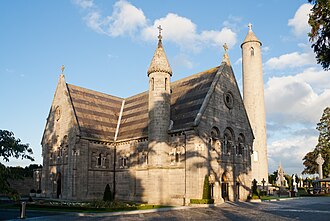
Glasnevin Cemetery: Gravedigger Legends and Night Tales — A Visitor’s Guide
Glasnevin Cemetery has long been one of Dublin’s most visited and quietly compelling places — a working burial ground whose rows of monuments and shaded paths attract history students, genealogists, and anyone with a curiosity for stories that linger after dusk. That mixture of documented cemetery practice and oral folklore makes Glasnevin especially magnetic when conversations turn to gravediggers, night-time encounters and the Victorian rituals that shaped how communities managed death.
A brief documented history of Glasnevin Cemetery and its gravediggers
From its origins as a response to overcrowded parish yards to its growth into a vast municipal cemetery, Glasnevin’s development reflects social and religious change in Dublin across the 19th and 20th centuries. Cemetery records and maps show steady expansion and the creation of sections for different denominations and social groups. The layout, monumental styles and the presence of purpose-built workers’ buildings all record how burial practices evolved, particularly during the Victorian era when public health concerns and formalised burial procedures reshaped funerary work.
Documentary traces — burial registers, old maps and municipal payrolls — demonstrate that a dedicated workforce maintained the grounds and carried out interments. These archival records can be consulted at the cemetery’s own record office and local repositories for a clearer, factual view of who worked here and what the job entailed.
Lives below ground: the real duties, social status and records of cemetery workers
Gravediggers were skilled labourers entrusted with sensitive tasks: digging graves to specified dimensions, preparing coffins for burial, arranging internments according to religious or civic rules, and maintaining the fabric of the site. They often worked irregular hours tied to funerals and were among the few municipal workers who routinely engaged with bereaved families.
Employment records typically reveal modest pay and informal hierarchies. Many workers lived locally or in accommodation provided near the cemetery. Their day-to-day responsibilities extended beyond digging — they repaired headstones, maintained pathways, tended to drainage, and sometimes acted as custodians after hours. These documented duties help explain why tales of solitary figures in graveyards became associated with men who genuinely spent long nights on site.
Gravedigger legends and night tales — local stories (folklore)
Note: the following are local legends and folklore, not archival facts. Over generations, stories have accrued around the cemetery workforce. Locals tell of shadowy figures moving between graves, lanterns bobbing along old pathways, and gravediggers who pause at unmarked stones. Common motifs in oral accounts include:
- The solitary lantern-bearer: a figure seen at twilight who seems to be finishing work yet disappears when approached.
- Late-night echoes: reports of shovels striking stone, distant voices, or hymn-like chanting heard in empty sections.
- Helpful apparitions: a ghostly hand guiding lost visitors back to the main path, or the sense of being watched by a protective presence near family plots.
- Gravedigger characters: composite personas with names passed down informally — stern, kindly, or mischievous — who are said to keep watch over certain rows.
These tales are often told in pubs, on walks, or as part of theatrical retellings; they change with the teller and serve social functions — explaining unsettling moments, entertaining tourists, or asserting a community’s intimate knowledge of place.
Separating folklore from fact: how to evaluate the stories and where they come from
When you hear a dramatic gravedigger story, ask three practical questions: does the detail come from an archival source (burial registers, payrolls, newspaper reports), from a named eyewitness, or from oral tradition? Documentary verification is available for many structural and employment facts; folklore will typically be anonymous, mutable, and rich in symbolic detail.
To learn more about gathering and using stories responsibly, read guidance on ethical fieldwork such as Ethical Oral-History Collecting for Dublin Ghost Bloggers — A Practical Guide. For those interested in using storytelling in public sessions, practical tips are available in How to Structure a Short Pub Storytelling Session for Dublin Audiences.
Notable graves, markers and spots tied to gravedigger lore — what to see on a visit
Even when avoiding sensationalism, there are visually evocative places that attract both historians and ghost-story enthusiasts. Look for very old sections where slate or worn limestone markers sit close together, for family plots with distinctive iron railings, and for workers’ cottages or outbuildings that speak to the cemetery’s operational past.
Key types of features to note on a walk:
- Victorian-era sections with tightly packed headstones and elaborate funerary sculpture — good places to sense how rituals were expressed in stone.
- Paths and lanes that cut across older plots — these can reveal how the cemetery expanded and where workers likely focused their efforts.
- Ancillary buildings — sheds, gatehouses or chapels — where cemetery staff once organised burials and stored tools.
Keep your visit respectful: many graves are still tended by families, and some areas are sensitive. For practical photography and promotional guidance, consult Securing Photo and Image Rights for Dublin Ghost Tour Promotions.
Practical tips for visiting at dusk or on a guided night tour (safety, photography, permissions)
Night visits can be atmospheric but require planning. Always check opening hours and any restrictions with cemetery management before you go. Many parts of Glasnevin remain in active use and may have limited access after dark.
Safety checklist:
- Go with a guide or a group — it’s easier to navigate slopes, headstones and uneven ground with someone who knows the layout.
- Wear sturdy footwear and bring a torch with fresh batteries; watch for tree roots, curbs and collapsed stones.
- Be respectful of mourners and of signage that restricts access to certain plots.
- If you plan to photograph after dark, ask permission and avoid intrusive lighting — long exposures on a tripod are quieter and less disruptive than bright flash.
For legal and ethical considerations around images and storytelling, see related guidance at our site, for example Dublin underground vaults and forgotten cellars: A visitor’s guide and the photo-rights article linked earlier.
Where to join a guided experience and booking tips for Ghost Tour Dublin Experience
Joining an organised night tour is the best way to experience Glasnevin’s layered history safely and responsibly. Qualified guides balance documented history with folklore, point out archival evidence on-site, and manage group behaviour to respect the cemetery and other visitors.
When booking, look for tours that:
- Make a clear distinction between archival material and legend in their commentary.
- Limit group size to reduce noise and wear on paths.
- Provide accessibility information and a realistic assessment of terrain after dusk.
If you are organising a private group or an event, we can tailor an experience — please enquire via our private groups page: Private group bookings and bespoke tours — contact Ghost Tour Dublin Experience.
Concluding notes: responsible curiosity
Glasnevin Cemetery rewards both sober historical inquiry and the enjoyment of good storytelling. Treat documentary records and living memories as complementary: the archives ground you in verifiable facts about gravediggers’ work and cemetery administration, while folklore reveals how communities process death through narrative. If you choose a night visit, plan with respect, join a guided experience when possible, and keep curiosity paired with courtesy.
FAQ
Is Glasnevin Cemetery open for guided night tours?
Guided night tours are offered by independent operators and specialist groups at certain times; availability can vary seasonally. Check with the tour provider for specific dates, and always confirm any access arrangements with cemetery management to ensure the section you wish to visit is open and appropriate for after-dark access.
Are the gravedigger legends at Glasnevin based on historical records?
Some elements of gravedigger stories echo real working practices — for example, long hours, the presence of workers’ buildings, and the visible traces of labour on the landscape. However, the more dramatic supernatural elements are part of oral tradition and should be treated as folklore unless backed by named eyewitness testimony or documentary evidence.
Can I take photographs during a night visit or tour?
Photography rules depend on the tour operator and cemetery policy. Non-flash, respectful photography is generally tolerated on guided tours; intrusive lighting, tripods in sensitive areas, or commercial shoots may require prior permission. Review guidelines on image rights before publishing photos publicly.
Is a night-time cemetery visit suitable for children or visitors sensitive to spooky themes?
That depends on the child and on individual sensitivities. Many tours are family-friendly and frame stories in a calm, historical way, while others lean into the spooky aspects. Check the tour description in advance and consider daytime visits for younger or more sensitive visitors.