
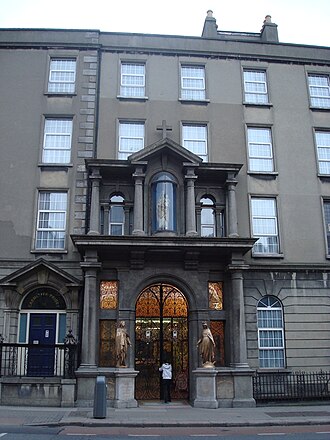
Shadow Sightings at Whitefriar Street Church: A Visitor’s Guide
Whitefriar Street Church sits quietly in the heart of Dublin, known to many as a place of worship, history and, for a curious few, occasional shadowy encounters. For visitors drawn by the idea of ghostly silhouettes and unexplained movements, it helps to separate what is documented from what is folklore, and to approach the site with respect and practical expectations.
Book your Ghost Tour Dublin Experience and explore Dublin’s haunted sites with expert guides
Whitefriar Street Church on Dublin’s haunted map
Whitefriar Street Church frequently appears on walking tours and lists of Dublin’s haunted spots. Its central location, religious artefacts and a long tradition of storytelling make it a natural focal point for curious visitors and tour guides alike. The church is best known in popular culture for housing relics that attract both pilgrims and the simply inquisitive, and for the atmosphere that old stone and stained glass can create after dusk.
Historical background: the church, relics and verifiable events
Documented history of the church is centred on its role as a parish and a religious site. It contains religious artefacts and relics that draw interest from devotees and tourists. These facts are part of the church’s public identity and are verifiable through parish records and visitor information published by the church itself.
When discussing the church’s past, it is important to separate formal, verifiable features—such as architectural style, preserved relics and recorded parish activities—from oral tradition. Where parish registers or local archives exist, they record births, marriages and funerals; they do not, however, catalogue paranormal occurrences. Many of Dublin’s darker histories—stories of maritime loss, cholera burial grounds and other tragedies—do inform local folklore, and you can explore related material in essays such as Sailor Ghosts in Dublin: Tracing Maritime Burial Records and Sea Lore for a Haunted Walk and Forgotten Cholera Pits: Touring 19th‑Century Dublin Burial Sites, which show how broader historical contexts feed local legend.
Reports of shadow sightings: what witnesses describe
Accounts of shadow sightings at Whitefriar Street Church are primarily anecdotal. Visitors and passersby describe brief, often peripheral impressions: a dark shape in a doorway, a silhouette in a stained-glass window, or a movement in peripheral vision that vanishes when directly observed. These reports tend to circulate on social media, local storytelling nights and within the repertoire of night-time ghost walks.
It’s important to note that formal historical records rarely list paranormal sightings in the way they list natural events or ecclesiastical milestones. Where reports exist, they are usually personal testimonies rather than documented, reproducible phenomena. This distinction matters when evaluating the credibility and origins of any shadow-sighting claim.
Natural and architectural explanations
There are several non-supernatural reasons why shadows and strange shapes appear in and around churches like Whitefriar Street.
Light sources
Street lamps, interior lighting, passing headlights and window illumination can create transient shadows. As vehicles move, light angles change rapidly, casting human-like silhouettes against glass and stone.
Building geometry
Old churches have deep recesses, ornate moldings, buttresses and stained glass that produce complex silhouettes. Light filtering through patterned glass can create moving shapes that the brain reads as familiar forms.
Optical effects and perception
Low-light conditions increase the chance of pareidolia—seeing patterns or faces in random forms. Long exposure photography, reflections and camera motion can produce ghostly streaks or shapes that do not correspond to physical entities.
Human activity
Night-time cleaners, late worshippers, and other legitimate visitors can cause brief sightings that are later remembered as something uncanny. Tour groups that pause outside a doorway or a cafe patron crossing a window may be misread as paranormal activity.
How folklore grew: oral tradition, tour storytelling, and media shaping of sightings
Folklore accumulates quickly in a city with as much living history as Dublin. Stories told around a fire, in a pub or by a tour guide get edited, embellished and recycled. The Brazen Head and other historic pubs serve as venues where local tales grow teeth—see how pub storytelling shapes public perception in pieces like The Brazen Head: Pub Hauntings and Late‑Night Tales in Dublin.
Tour storytelling has its own incentives: dramatic, memorable narratives keep guests engaged. That isn’t inherently dishonest, but it can blur the line between documented history and legend. Media coverage and social posts amplify the most exciting versions of stories, and those amplified accounts often become the default ‘truth’ for subsequent visitors.
For operators and bloggers, there are tactical choices about how to present such stories responsibly. If you write or run a site about Dublin’s dark history, strategies like those outlined in Micro-sponsorship Tactics for Dublin Ghost Blogs show how narrative can be monetised without sacrificing accuracy.
Practical visiting guide: best times, access, photography tips and what to expect
Best times: daytime visits give you the clearest sense of the church’s architecture and context. Early evening can be atmospheric and less crowded, but lighting conditions change quickly.
Access: the church is an active place of worship. Check opening hours before visiting, respect service times and obey any signage about restricted areas. If in doubt, ask at the entrance or consult the parish noticeboard.
Photography tips
If you plan to photograph low-light phenomena, use a tripod, keep ISO moderate to avoid excessive noise, and bracket exposures rather than relying on long handheld shutter times that introduce blur. Consider using a small LED panel for subtle fill light if you need to show architectural detail.
Respect: avoid intrusive flashes during services or when visitors are praying. Steer clear of private ceremonies and do not cross barriers placed for safety or sanctity.
How guided ghost tours handle the site
Professional guides balance respect for the living parish community with the expectations of tour-goers seeking atmosphere. Good guides clearly label what is verified history versus what is local legend, and they avoid staging events that would disturb worshippers or damage the site.
Guided walks that include Whitefriar Street often connect it contextually to other local stories and sites. You might encounter themes linked to nearby evening walking narratives like St Stephen’s Green After‑Dark Legends: An Evening Walk through Dublin’s Tales, or broader urban threads such as maritime loss described in Sailor Ghosts in Dublin.
Responsible tourism and concluding advice
Approach Whitefriar Street Church as both a place of living religious practice and a site of layered stories. Separate the documented—architectural facts, relics, parish functions—from the folkloric: stories amplified by word of mouth and tour narratives. That distinction preserves both historical truth and the value of local storytelling.
Be mindful of privacy and safety. Don’t enter restricted areas. Keep voices down during services. If you photograph, ask permission when people are included. Avoid trespass or any action that could damage the building or upset parishioners.
For a guided visit that balances history and storytelling responsibly, consider joining an experienced group tour led by trained guides who can explain context, differentiate fact from folklore, and point out plausible natural causes for strange sightings.
Book your Ghost Tour Dublin Experience and explore Dublin’s haunted sites with expert guides
If you’re organising a private group or an after-hours educational visit, we can arrange specialised experiences that prioritise history, respect and safety. Book a private Ghost Tour Dublin Experience for your group.
FAQ
Are the shadow sightings at Whitefriar Street Church documented in historical records?
Official historical records for the church focus on its role as a place of worship, its architecture and parish activities. Shadow sightings are generally anecdotal and are not part of formal parish archives. Accounts circulate in oral tradition and on social media rather than in authenticated historical documentation.
Can visitors go inside Whitefriar Street Church after dark to look for shadows?
Access after dark varies. The church is an active parish and may have limited opening hours. After-hours access for the purpose of ghost hunting is not generally permitted without prior arrangement. If you want to visit after dark for research or a private event, contact the parish or an authorised tour operator to seek permission.
Is photography allowed, and are there tips for capturing low‑light phenomena responsibly?
Photography rules depend on the church’s policy and any posted signs. In general, respectful photography is allowed when it does not interfere with worship. Use a tripod if allowed, avoid intrusive flash during services, and get permission if people are in your shots. Keep equipment out of walkways and follow any staff instructions.
Do the shadow stories have any connection to the church’s relics (such as St. Valentine)?
The church’s relics attract attention and storytelling, and such artefacts can feed the creation of legends. While relics form part of the site’s identity, there is no verifiable link in historical records between the relics and reported shadow sightings—those connections mainly arise in oral tradition and tour narratives.