
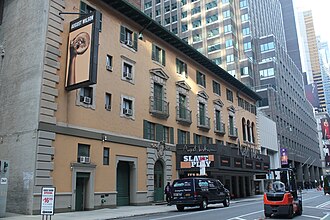
The Gaiety Theatre in Dublin has long been a focal point for tales of theatrical mystery: late-night whispers of a presence behind the footlights, anecdotes from cast and crew, and vivid urban legends circulated by visitors. This guide separates what is documented in theatre records and contemporary reporting from the folklore that has grown around the idea of a “phantom” performer, and it equips visitors with practical tips for seeing the theatre on an evening ghost walk with a reliable operator.
Book a Dublin ghost walk with Ghost Tour Dublin Experience to include the Gaiety Theatre in your evening route — our guides explain the documented history and the folklore so you can judge for yourself.
Quick overview: Gaiety Theatre in Dublin — history and why it inspires phantom performer stories
The Gaiety Theatre is a prominent live venue in central Dublin known for drama, musical theatre and variety shows. Its architectural intimacy — boxes hugging the auditorium, narrow wings and a backstage area that has evolved but remained compact — creates the perfect conditions for stories about unseen performers to take hold.
Theatre buildings in general generate layered narratives. Long performance runs, frequent cast changes, intense backstage lives and the emotional highs and lows of theatrical work all produce anecdotes that can harden into legend. Add a city with a rich storytelling tradition and late-night walking tours, and the idea of a “phantom” performer becomes easy to pass on.
Documented history: verifiable incidents, theatre records and contemporary reporting
What can be verified about the Gaiety are personnel records, programmes, press notices and occasional reports in contemporary newspapers. These sources record bookings, cast lists, reviews and sometimes accidents or illnesses that affected performances. Theatre archives, playbills and local press form the backbone of what historians accept as documented history.
Documented incidents that commonly surface in retellings tend to be pragmatic: understudies stepping in for indisposed leads, fires or electrical faults which interrupted shows, and managerial notes about late-night rehearsals. Such events, when filtered through decades of oral storytelling, often morph into accounts of mysterious interruptions or unexplained presences.
Researchers looking at the Gaiety rely on these primary sources to reconstruct events. They also cross-check staff employment records and obituary notices when claims involve specific named individuals. If a story can be matched to a contemporaneous report or official record, it enters the realm of documented history; if not, it remains anecdote or legend.
Phantom performer stories (labelled as folklore)
Local folklore about the Gaiety commonly includes a handful of recurring motifs: a figure seen in a private box after hours, phantom applause when no one is onstage, or the sense of someone moving in the wings. These stories thrive because they are evocative and easy to repeat.
How these tales evolve: an isolated eyewitness report becomes a compelling anecdote, which is then embellished with details (a costume, an old-style makeup case, a particular tune) on successive retellings. Tour guides, columnists and late-night storytellers often add theatrical touches to make the narrative more memorable, which accelerates the transformation of anecdote into legend.
It is important to label these accounts clearly as folklore. They reflect cultural memory and the human need to explain unusual experiences, but unless tied to primary sources they remain unverifiable. Folklore can say as much about community identity and the atmosphere of a place as any archival record; it is worth hearing, but treat it as storytelling rather than strict fact.
Separating fact from folklore: methods used by historians and local researchers
Local researchers use several basic methods to test ghostly claims:
- Cross-referencing eyewitness claims with programmes, press and employment records to locate named individuals or performances.
- Consulting original playbills, backstage logs and technical records for evidence of interruptions, accidents or notable events.
- Interviewing retired staff, performers and production crew to gather first-hand recollections, then seeking corroboration.
- Checking contemporary newspapers for reported incidents; many events that later become ghost stories were covered in the press at the time.
These steps can often explain seemingly supernatural claims in mundane terms or, occasionally, confirm an unusual event that became the seed for a legend. When no documentation exists, researchers note the claim as oral tradition rather than historical fact.
Key locations in the theatre tied to stories: what visitors can actually see
Many of the tales concentrate on the same architectural features that draw attention in theatres everywhere. If you visit the Gaiety as part of an evening walk, these are places to notice and the realities you should expect.
Private boxes
Boxes have an intimate, private feel that encourages stories. They are often the setting for accounts of figures seen late at night. In reality, boxes were social spaces and sometimes used by managers, patrons or staff — a practical reason for late-night presence.
Wings and backstage
The wings, fly tower and narrow corridors are where most practical problems occur: forgotten props, last-minute costume changes, creaky floorboards and complex rigging. Those practicalities create noises and movements that storytellers interpret as more mysterious than they are.
The auditorium
Applause, sounds and echoes in a compact auditorium can create the sensation of additional people. Audience acoustics, chandeliers and HVAC systems all contribute to aural experiences that are often reshaped into tales of phantom applause or unseen theatre-goers.
Practical visitor guide: joining a Ghost Tour Dublin Experience walk
Ghost walks that include the Gaiety typically meet in central Dublin in the evening and combine street storytelling with stops outside notable venues. If you want to prioritise time around the Gaiety, check the tour route in advance when you book.
Booking and ticketing: reserve in advance on the official site to secure a place on popular evening slots. Tours run year-round but frequently sell out on weekends and during festival periods.
Times and lighting: evening tours start after dark to create atmosphere. Bring a compact torch for cobbled streets and to read any printed materials. Guides will point out architectural features and recount both documented history and folklore; a good guide will always distinguish the two.
Photography and behaviour: outside photography is allowed, but flash photography can disturb performers and residents. Respect “no entry” signs — theatre doors and staff areas remain private. Ask your guide if inside access is scheduled; otherwise you will view the Gaiety’s exterior and nearby points of interest.
Accessibility: central Dublin streets can be uneven. The Gaiety and many central venues have varying levels of accessibility — if you have mobility needs, tell the operator when you book so they can advise on the route and any alternatives.
Responsible touring and storytelling: protecting heritage and respecting people
Responsible ghost touring balances atmosphere with ethics. Avoid trespass, do not attempt to access restricted or backstage areas, and follow staff instructions when visiting near live shows. If a story involves a real person, be mindful of privacy and the potential for causing distress.
Trigger warnings are important: some legends touch on death or traumatic events. Guides should offer content warnings and the option to skip parts of the narrative for sensitive visitors. Touring is about shared experience, not sensationalism.
If you prefer a private or tailored experience — for school groups, corporate nights or specialist visits — consider arranging a private group booking. Book a Dublin ghost walk with Ghost Tour Dublin Experience for public tours, or request a private group tour via our booking options to tailor the route and focus.
For context on other Dublin venues and how folklore operates in urban storytelling, see our local guides such as The Stag’s Head: Victorian Barroom Apparitions — Visitor Guide & Local Lore, Boland’s Mill Waterfront Hauntings: History, Folklore & Visitor Guide and Mountjoy Prison Night Echoes and Guard Legends: A Visitor’s Dark History Guide. For tour operator insights on staffing and production, see Paying Local Actors for Dublin Night Tours: A Practical Guide for Operators and our note on production costs How Much Does a Dublin Ghost Podcast Episode Cost? Practical Budget Guide.
Book a Dublin ghost walk with Ghost Tour Dublin Experience to join an evening route that treats both documented history and folklore with respect; contact us for private group bookings if you need a customised itinerary or inside access requests.
FAQ
Is there historical evidence for a ‘phantom performer’ at the Gaiety Theatre?
No primary archival evidence confirms a supernatural “phantom performer.” Records such as programmes, employment lists and contemporary press account for real events — understudies, interruptions and late-night activity — that can explain many tales. When a specific claim lacks contemporary corroboration, it is best classified as oral tradition or folklore.
Can visitors go backstage at the Gaiety Theatre on a ghost tour?
Most public ghost walks do not grant unsupervised backstage access. Backstage areas are private and may host rehearsals or staff. Occasionally, special tours organised in partnership with the theatre can include curated backstage visits; these are limited and must be booked in advance through the theatre or a private group arrangement.
Do Ghost Tour Dublin Experience tours include a visit inside the Gaiety Theatre?
Standard evening ghost walks typically feature an exterior visit and storytelling outside the Gaiety, highlighting architecture and related anecdotes. If an inside visit is offered, it will be clearly stated when booking and may be part of a private or special-event tour. Check availability and mention any accessibility needs at the time of booking.
How can I tell the difference between documented history and folklore in theatre ghost stories?
Look for primary sources: contemporary newspapers, playbills, staff records and official theatre documents support documented history. If a story cannot be matched to these sources and exists primarily in oral retellings or tour narratives, treat it as folklore. Reliable guides will state when a tale is documented and when it is a popular legend.