
St Audoen’s Crypt — Medieval Burials and Midnight Tales | Visitor Guide
St Audoen’s crypt sits beneath one of Dublin’s oldest parish churches and draws visitors for its layered character: a place of medieval burials and civic memory that, by night, has also inspired countless local tales. This guide pairs what is recorded about the church and its interments with the midnight tales that have grown up around the crypt, clearly separating archival fact from folklore and showing you practical ways to visit — alone or with a guided Ghost Tour Dublin Experience.
Book a guided St Audoen’s crypt tour with Ghost Tour Dublin Experience
Why St Audoen’s crypt matters: location, significance and what draws visitors
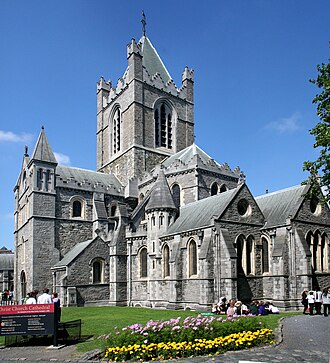
Located in the heart of Dublin’s medieval quarter, the church and crypt occupy an area rich in civic and ecclesiastical history. Visitors come for multiple reasons: the atmosphere of the underground space, the visible evidence of past burial practices, and the stories — both documented and whispered — that illustrate how the living remember the dead.
The crypt’s significance is both architectural and social. It tells us about how communities used church spaces for burial, how urban populations memorialised family members, and how a single urban site can accumulate meanings over centuries. For many modern visitors the combination of stone vaulting, inscriptions, and the sense of being below the city creates a powerful, contemplative experience.
Documented history: the church, the medieval burials and archival records
Documented information about St Audoen’s derives from parish records, municipal archives, and site surveys. These written sources show that the church served as a long-standing parish centre for local worship and civic ceremonies, and that the area around it functioned as a burial ground for parishioners across generations.
Archaeological and archival work demonstrates the presence of inhumations beneath the church and within its crypt space. Parish registers and burial lists — where preserved — record the names and status of many individuals interred in the parish, and surviving ledger stones and memorial inscriptions provide primary evidence of those commemorated within the building.
It is important to be precise: the verified record speaks to ecclesiastical use and repeated burials of parishioners and civic figures. Claims beyond what is recorded — specific identifications of every skeleton or sensational accounts of high-profile burials — are often speculative unless backed by explicit archival evidence or archaeological reports.
Burial practices and notable interments: what archaeology and records tell us
Burial practices in urban parish churches typically reflect social distinctions. Churches and crypts were used for both communal interments and reserved vaults for wealthier families or clergy. Evidence at St Audoen’s indicates a mix of ordinary parish burials and designated burial spaces within the church fabric, consistent with practices across medieval and post-medieval Dublin.
Archaeological observations commonly note layered burials, reused spaces, and a variety of grave orientations and grave goods where preservation allows. Parish registers are invaluable for confirming who was buried in the churchyard and who had rights to family vaults. These records also reveal the social ties that bound local communities, such as guild or parish membership.
Where the record is silent, archaeologists and historians avoid speculation. If you are interested in the technical side of how burials are dated, excavated, and recorded, local archive centres and museum reports explain methodology and findings without resorting to sensational claims.
Legends and midnight tales: common ghost stories, their origins, and what is folklore vs recorded fact
Every historic crypt attracts stories. At St Audoen’s you will hear reports of footsteps, shadowy figures, sudden cold spots and the melancholy sound of a distant bell. These stories are part of the living folklore of Dublin and have been shaped by oral tradition, guidebook anecdotes, and later Victorian-era interest in the gothic and supernatural.
Distinguishing between documented fact and folklore is straightforward in principle: documented facts are supported by primary records or material evidence; folklore relies on repeated storytelling, memory and cultural transmission. For example, parish registers or archaeological reports confirm burials; a tale of a named ghost haunting at a specific midnight hour is folklore unless contemporary documentation specifically records such an event.
Many midnight tales have their roots in social memory. A dramatic death, an unmarked grave, or a particularly poignant inscription can become the seed of a ghost story. In other cases, Dublin’s rich literary tradition — from local ballads to the Gothic imagination — has amplified ordinary noises and shadows into full narratives. If you enjoy how stories grow, see our guide to Writing Compelling Dublin Ghost Stories to learn how guides and local writers craft atmospheric accounts while respecting historical truth.
What visitors should know: access, opening hours, etiquette, photography and safety
Access to crypt spaces can be restricted for conservation, safety and liturgical reasons. Opening hours are often seasonal or linked to building use, so always check current schedules with custodians before you go. Many crypts require a small fee or donation to help with maintenance.
Etiquette matters: these are sacred spaces and resting places. Keep voices low, respect signage and any areas cordoned off, and do not touch memorial stones or disturbed surfaces. If a guided tour asks you to stay behind a rope or keep off stepped areas, follow the guide’s instructions.
Photography rules vary. Some historic sites allow non-flash photography; others prohibit photography to protect delicate surfaces or due to licensing. Ask on arrival or follow posted rules. For safety, wear sturdy shoes and take care on uneven stone and stairs. At night, bring a usable torch and be mindful of low ceilings and step edges.
How to experience St Audoen’s: guided tour options, what a Ghost Tour Dublin Experience adds, booking tips
A guided visit brings the place to life. A knowledgeable guide can explain the parish records, point to inscriptions that tell stories of local families, and clarify what is documented versus what is tale. A Ghost Tour Dublin Experience pairs this factual grounding with atmospheric storytelling that signals clearly when a story is folklore and when it is based on archival record.
Ghost Tour Dublin Experience guides follow safety and legal guidelines for night tours — practical matters we take seriously; you can review our operator checklist for more background on safe, compliant ghost walks. Evening tours are curated to respect the site: they aim to illuminate the crypt’s history and let the building speak without encouraging disrespectful behaviour.
Booking tips: reserve in advance for small-group night tours, and check the weather and footwear advice. If you are planning a private event or specialised group, we offer private-group bookings to tailor content and times to your needs — contact the private groups page to arrange bespoke experiences. Whether you prefer a historically focused tour or one with a heavier storytelling emphasis, communicate your preferences when you book.
Practical nearby stops and pairing ideas for a fuller Dublin dark-tour itinerary
St Audoen’s sits near several attractions that broaden a dark-history walk of Dublin. Pair the crypt with visits to nearby medieval streets, civic buildings that reveal the city’s administrative past, and other historic churches. For literary or Gothic-themed walks, combine your visit with Bram Stoker’s Dublin — Vampire Inspiration Walk for a sense of how the city shaped Gothic imaginations.
If you are mapping a longer route, consider including industrial-era hauntings such as Sandyford Mill and other sites that explore the city’s working-class histories. For operators and bloggers who want to craft immersive tours or monetise content responsibly, see our practical guide on How to Monetize a Dublin Ghost Blog for ethical and practical approaches to selling tours and partnerships.
Pairing St Audoen’s with early-evening refreshments in a nearby historic pub can help transition from solemn reflection to social storytelling — many visitors enjoy discussing what they’ve seen over a warm drink or meal.
Book a guided St Audoen’s crypt tour with Ghost Tour Dublin Experience
For private groups or tailored experiences, consider our private-group bookings to arrange exclusive times and a customised blend of history and storytelling: Book a guided St Audoen’s crypt tour with Ghost Tour Dublin Experience
FAQ
Can visitors enter St Audoen’s crypt and are there regular opening hours?
Access varies. Many crypts have scheduled visiting hours or open by guided tour only. Check with the site custodians or book a guided Ghost Tour Dublin Experience in advance to ensure access at the time you want to visit.
Is there reliable historical evidence for the burials and who is interred there?
Yes. Parish registers, memorial inscriptions, and archaeological records document burials associated with the church and its crypt. These sources confirm that parishioners and specific community members were interred here. Detailed identifications beyond the documentary record require archaeological study and careful archival work.
Are the ghost stories about St Audoen’s based on documented events or local folklore?
Most ghost stories are local folklore: repeated oral accounts that grow over time. While some tales may link to real historical events, the supernatural elements are typically not supported by primary records. Guided experiences from reputable operators will clarify the difference between recorded fact and story.
Can I take photos in the crypt and are guided night tours suitable for children?
Photography rules are site-specific—some allow non-flash photos, others restrict photography to protect the fabric of the building. Night tours can be suitable for older children, depending on the content and the child’s temperament; check guidance from the tour operator. Tours that include darker themes or theatrical storytelling may not be appropriate for very young children.