
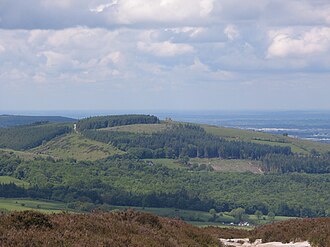
Hellfire Club Montpelier Hill — Legends, History & Visitor Guide
Perched on Montpelier Hill, the crumbling shell known colloquially as the Hellfire Club draws curious walkers, photographers and late‑night thrill seekers. Its silhouette against Dublin’s skyline, combined with a patchwork of historical fragments and a long tail of rumour, makes the site one of the city’s most compelling crossroads of fact and folklore. This guide separates what we can document from what has grown as legend, and offers practical advice for visiting responsibly and safely.
Introduction: Why Montpelier Hill and the Hellfire Club draw visitors (overview and what to expect)
The Hellfire Club ruins sit on a windswept ridge with far-reaching views. Visitors come for many reasons: the dramatic setting, the chance of seeing wildlife, photography, local history and, for some, the lure of the supernatural. What you’ll find is a mix of an 18th‑century hunting lodge (now a ruin), disturbed stones and local stories that have been retold and amplified for well over a century.
Documented history
Documented evidence places the building on Montpelier Hill as an 18th‑century hunting lodge constructed for a wealthy landowner. The structure was used for social gatherings and hunting parties rather than formal clubs or secret societies in any official sense evidenced by surviving records.
Records and surveys describe the lodge as a folly or hunting house typical of estate architecture of that era. It sustained damage over time and was left to ruin; storms and human neglect contributed to its current state. Archaeological and local authority notes identify it as a historic ruin rather than a purpose‑built ceremonial site.
Local maps and estate records show the Hill’s usage as part of a wider estate landscape, with access routes and field boundaries that match the existing footpaths many visitors use today. There is no unequivocal contemporaneous archival documentation that proves the site was used for satanic rites, devil worship, or the kind of organised “hellfire” assemblies popularised in later retellings.
Origins of the legends
Legend is a layering process. In the late 19th and 20th centuries, writers, journalists and storytellers added dramatic flourishes to the ruin’s history. A romantic appetite for macabre tales, combined with the ruin’s remote position and imposing silhouette, helped seed stories about dark ceremonies and pacts with the devil.
Oral history played its part. Local rumours about strange noises and lights, told and retold, gradually turned isolated anecdotes into a broader mythology. This was amplified by popular culture—books, pamphlets and later tourist-oriented retellings—that favoured sensational accounts over cautious archival scholarship.
It is important to distinguish between a documented chain of events and a narrative that developed to explain an evocative ruin. Where documentation ends, folklore often begins, and the Hellfire Club story is a classic example of this transition.
Common tales and reported experiences
Many popular tales are associated with the Hellfire Club. These include stories of wild parties, black masses, a reputedly sacrificial altar, and reports of disembodied figures or strange lights. Local storytellers have long embellished these with vivid details: phantom laughter on the wind, animals behaving oddly around the ruins, and sudden drops in temperature.
Labelled as anecdote: numerous contemporary accounts shared online or in person report seeing lights or hearing unexplained noises near the ruins. These accounts are often subjective—dependant on atmospheric conditions, imagination, and the suggestive power of the site itself.
Labelled as unverified: claims of ritual murder, deliberate satanic worship by known historical groups, or physical artifacts deliberately hidden there lack solid archival backing. They form part of the legend framework rather than being supported by primary historical records.
Many of the most dramatic details—animal sacrifices, pacts with demonic entities and the like—are part of the site’s mythos rather than established fact. They persist because they make compelling stories, not because they are corroborated in estate records or contemporary reports.
Planning your visit: access, parking, public transport, permissions, best times and seasonal considerations
Access to Montpelier Hill is by public footpaths that cross open countryside. Depending on where you start, expect a moderate walk over uneven, sometimes boggy ground. The nearby road network has limited parking; where parking exists it is informal and can be inadequate on peak days.
Public transport options to the general area include local bus routes to nearby suburbs; from a drop‑off point you should allow time for the walk uphill. If you plan to drive, arrive early on weekends to secure a space and avoid blocking local access roads.
Permissions: the ruin sits on land with conservation protections and local bylaws. Trepassing beyond marked boundaries, removing stone, or causing damage is illegal and discouraged. If you plan to visit for photography, film or a larger group event, check with local authorities or consider a guided option to ensure permissions and safety are handled.
Best times: daylight hours are the safest. Dawn and dusk offer the most atmospheric light for photography, but be aware of slippery slopes in winter. Summer evenings provide later light and longer walking times, while winter brings shorter days, high winds and wet ground—pack accordingly.
Safety, conservation and respect
The hill’s terrain is uneven and can be treacherous in wet or icy conditions. Wear sturdy footwear, bring layered clothing and a charged phone, and let someone know your route. Avoid visiting alone at night if you are unfamiliar with the area.
Respect conservation rules. The structure is an historic ruin; climbing on unstable walls damages heritage fabric and creates safety hazards. Leave no trace—take litter with you and avoid disturbing flora and fauna. Local communities regard the site with a mix of pride and sensitivity; be mindful of residents and other visitors.
Guided vs self-guided: what to expect from a Ghost Tour Dublin Experience and sample itinerary
Self‑guided visits offer freedom but require preparation. You must plan your route, check weather and ensure you know where parking and paths are. Self‑guided visitors should bring a map, flashlight, water and suitable clothing, and accept responsibility for their own safety and for following local rules.
A guided Ghost Tour Dublin Experience provides several advantages: expert local guides who separate documented history from folklore, vetted access routes, group safety, and interpretive context that enriches the visit. Our guides know the documented facts, can explain how legends developed and will point out features of interest without encouraging risky behaviour around ruined structures.
Sample Ghost Tour Dublin Experience itinerary (evening walk): meet at a central pickup point; short transfer to the Montpelier Hill approach; guided walk to the viewpoint and ruins with history and legend explained; time for photography and Q&A; return with a short stop to discuss related Dublin folklore. Tours are paced to suit mixed fitness levels and may be adjusted for weather.
Combine the visit: Montpelier Hill fits neatly into a folklore day in Dublin. Pair a trip with an evening walk in the Iveagh Gardens dusk trail and whispered histories — an evening walk in Dublin, or contrast rural ruin stories with urban hauntings by reading about the Victorian Workhouse Hauntings in Dublin. For coastal detours, the Sandycove Martello Tower After‑Hours Legends — Visitor Guide is a natural companion.
For those researching atmospheric phenomena, our visitors often consult practical tools listed in Affordable Paranormal Gear for Dublin Night Researchers: A Tourist’s Guide. If you plan to finish the night with stories and a pint, consider the pub guides such as Hidden Cellar Spirits: South Dublin Pub Hauntings Guide.
For private groups and events we offer tailored experiences—please ask about private bookings and customized itineraries by contacting our team at the same booking page.
Practical tips
Bring a torch for low light conditions, waterproof layers and boots with good grip. Keep valuables secure; mobile signal can be patchy. Stay on established paths to minimise erosion and avoid disturbing wildlife.
Photographers: golden hour provides dramatic views, but be conscious of other visitors. Drones are often restricted; check local rules before using them.
Final note on legend and evidence
The Hellfire Club on Montpelier Hill is a potent mix of evocative ruins and stories developed over generations. Separating documented history from folklore is not an attempt to strip the site of atmosphere—rather, it helps visitors appreciate both the real past and the cultural narratives that now surround it. Enjoy the mystery, but do so with respect for the site and the facts we can verify.
FAQ
Is the Hellfire Club on Montpelier Hill actually haunted?
No documented, verifiable evidence proves the site is haunted. Many visitors report personal experiences—lights, feelings or sounds—but these are anecdotal. The atmospheric setting encourages stories, and personal perception plays a large role in reported phenomena.
Can I visit the Hellfire Club ruins at night, and is it legal/safe to do so?
Visiting at night is possible but not recommended without preparation. Night visits raise safety concerns: uneven ground, potential for vandalism and limited emergency access. Some activities may breach local bylaws or conservation rules. A guided tour is the safer, more responsible option for nocturnal visits.
How do I get to Montpelier Hill using public transport and is there parking nearby?
Public transport can get you to the general area; from there expect a walk. Local buses serve nearby suburbs but do not go to the hilltop itself. Parking is limited and often informal—arrive early on busy days and avoid blocking access roads or private drives.
Are guided tours available for families or people with limited mobility?
Yes. Guided Ghost Tour Dublin Experiences can be adapted for families and groups with varying mobility levels by adjusting pace and meeting points. Contact the tour operator in advance to discuss accessibility needs and to arrange the most suitable route and support.