
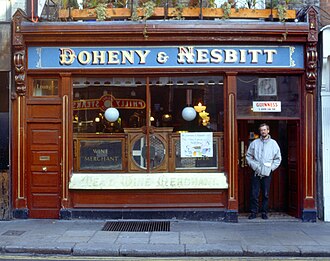
Old Dublin pub ghost tales from the north inner city are a mixture of atmospheric memories, family whispers, local legend and, in some cases, archival record. In this guide we’ll focus on practical ways to explore these stories on foot at dusk: how to separate documented history from folklore, where ghost tales commonly cluster (cellars, coach houses and Victorian basements), a compact 2–3 hour crawl route, and how to join a guided evening experience with Ghost Tour Dublin Experience. The tone is atmospheric but rooted in visitor utility—opening hours, booking tips, accessibility and safety are all practical priorities.
Book your haunted-pubs crawl with Ghost Tour Dublin Experience — https://www.ghosttourdublin.com/
History vs folklore: how to tell documented events from legend in pub stories
When a pub claims “a ghost from the 1800s,” ask whether the story comes from written sources or from oral tradition. Documented history typically appears in parish records, newspaper archives, property deeds or court reports; folklore lives in family stories, bar talk and retellings passed between staff and customers.
Practical checks you can make: search local newspapers (many are digitised), check whether a building appears in property records, or ask the pub manager if there are documented incidents (police reports, fire records, or building notes). If a tale relies on “the landlord’s great-grandfather said,” treat it as folklore—valuable for atmosphere, but not the same as archival proof.
Both kinds of story matter for a crawl. Documented events offer credible context; folklore gives colour, mood and a sense of how Dubliners remember places. Respect both, but label them differently when you repeat them to others.
Architectural clues and pub types where ghost tales cluster
Ghost stories tend to cluster where the past is physically obvious. Look for certain architectural features that often host tales:
Cellars and vaulted basements
Many north inner city pubs sit over old cellars. Low ceilings, stonework and poor light fuel stories of cold spots and footsteps. Cellars were once used for storage, informal lodging, or even makeshift hospitals—situations that can generate later stories.
Coach houses, backyards and laneways
Coach houses and service yards behind pubs show layers of use: stables, workshops and loading areas. These confined, often unlit spaces are ideal for whispered tales about workers, accidents or sightings.
Victorian and Georgian back rooms
Upstairs rooms or partitions dating to the 19th century are where market traders, lodgers or militia might once have passed through. The mix of domestic and commercial history can create ambiguous records—some things are documented, others survive only as legend.
A recommended evening crawl: a 2–3 hour route through north inner city pubs
This crawl is designed for pedestrians and public-transport arrivals. It prioritises a compact route with atmospheric stops and is paced for comfort: 2–3 hours including short walks and 20–30 minute visits in each pub.
Start at a central landmark on the north side (for example, near Smithfield), arriving around 6:00–7:00pm. Early evening light gives a good sense of place while pubs are settling into their evening service.
Stop 1 — The first pub: a welcoming place with a cellar to view. Spend 20–30 minutes. The manager may outline the history and note whether stories are recorded or oral.
Walk 8–12 minutes along a historic street toward a cluster of older taverns. Use this stretch to point out architectural clues: exposed stone, old signage, rear yards and alleyways where stories often originate.
Stop 2 — A pub with coach-house access or an old service yard. Again, allow 20–30 minutes. If accessible, a quick look at the rear yard can be revealing (and respectful).
Walk 8–12 minutes toward Capel Street or Mary Street areas, where Georgian facades and Victorian conversions often house pubs with layered pasts. Along this section you’ll pass sites that relate to broader Dublin stories; for more extended, linked routes see our pages on Royal Canal After-Dark and North Wall Docklands.
Stop 3 — A pub with a reputed “apparition” or recurring sighting. Spend 20–30 minutes listening to staff accounts, but ask whether they classify the story as folklore or if they can point to corroborating records.
End the route with a short walk to a larger pub or market square where you can debrief. Total walking distance is modest; total time including stops is about 2–3 hours.
Note: this route is illustrative rather than prescriptive. Pubs change opening hours and layouts, so check individual venues before setting out. For deeper themed routes you can explore related walks like South William Street After-Dark or the cathedral-themed material at Christ Church Cathedral Ghost Stories and Crypt Whispers — Visitor Guide.
How to join a guided night tour: what Ghost Tour Dublin Experience offers and when to book
Ghost Tour Dublin Experience runs guided haunted-pubs crawls that combine storytelling with local knowledge and safety measures. A guided crawl usually includes a knowledgeable guide, a clear route, and pre-arranged pub co-operation so you can hear stories without disrupting service.
Why book a guide? Guides can distinguish documented history from legend on the spot, offer archived references when available, and help you read architectural clues. A guided tour is also safer and often more sociable if you’re new to the city.
When to book: weekends fill up quickly, especially in the warmer months. Book at least a few days in advance for small groups and a week or more for larger groups or private bookings. To reserve, visit the main booking page: Book your haunted-pubs crawl with Ghost Tour Dublin Experience — https://www.ghosttourdublin.com/
Practical visiting tips: opening hours, reservations, drink responsibly, and accessibility
Opening hours: many north inner city pubs open in the mid to late afternoon and remain open into the evening. However, hours vary—especially on Sundays—so always check current times by calling ahead or checking the pub’s own website or social pages.
Reservations: weekends and tourist seasons are busy. Reserve pub tables if you want to sit as a group, especially for food. For guided tours, book the tour first and tell the tour operator if you plan to eat; some pubs prefer groups with pre-arranged food orders.
Drink responsibly: stick to a pace that suits you. Staff and guides expect respectful behaviour; excess drinking reduces enjoyment for everyone and can put you at risk late at night.
Accessibility: many historic pubs have step entrances, narrow doorways or cellar areas that are not wheelchair-accessible. If mobility is a concern, call pubs in advance to check step-free access and ask tour operators for adjusted routes. Guides can often adapt crawls to avoid steep steps or cellars while still offering atmosphere.
Putting stories in context: responsible storytelling, local etiquette and preserving heritage
Responsible storytelling means distinguishing what is documented from what is anecdotal. When repeating tales to friends, label them: “This is recorded in X” versus “This is a story told by locals.” That clarity honours the past while keeping folklore alive.
Local etiquette: pubs are working businesses. Listen when staff say a story is sensitive or prefers not to be told to tourists. Tip your server, be courteous, and avoid prying into private areas.
Preserving heritage: many pubs are in protected buildings or conservation areas. Treat fabric and fixtures with care; avoid touching fragile items. If you discover documents or old notices, mention them politely to staff—pubs often welcome correct archival details that enrich their history.
For private groups or customised events, consider booking a dedicated crawl. Private bookings can include tailored routes, earlier or later start times, and a focus on specific themes. Contact us for details: Book your haunted-pubs crawl with Ghost Tour Dublin Experience — https://www.ghosttourdublin.com/
FAQ
Are the ghost tales tied to these north inner city pubs based on documented history or just folklore?
They are a mixture. Some stories are based on documented events found in newspapers, property records or official reports; others are oral folklore passed down by staff and locals. Treat each tale individually and ask whether there is documentary backing if accuracy matters to you.
Can I visit these pubs at night and do a self-guided crawl, or should I join a guided tour?
You can do either. Self-guided crawls give freedom and pace control, but guided tours offer curated stories, context about architectural clues and clearer distinctions between history and legend. Guided tours are recommended for first-time visitors or anyone wanting a deeper contextual experience.
Do I need to book pub tables or tours in advance, and are there entry fees?
Booking is recommended for weekends or larger groups. Many pubs have no entry fee but expect to purchase food or drink; some venues may ask for bookings for private areas. Guided tours usually require advance booking and have a fee that covers the guide and itinerary planning.
Are haunted-pub crawls suitable for families and people with mobility needs?
Families can enjoy family-friendly versions of crawls if content and pacing are adjusted. Mobility needs require planning: many historic pubs have steps or cellar areas. Call ahead to confirm step-free access or request a route adapted by a guide to avoid inaccessible spots.