
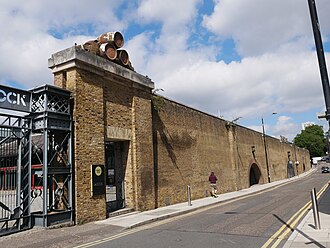
North Wall Docklands: Hauntings and Industrial Phantoms on Dublin’s Waterfront
The North Wall Docklands sits where Dublin’s heavy industry once met the river: piers, warehouses, rail sidings and gangways that carried cargo, coal and the labour of generations. Those layered histories—sweat and skill, accidents and loss—are the soil from which dockside ghost stories grow. On an evening stroll the cold stone, the echo of steps and the smell of the Liffey can make the past feel very close; understanding what is documented and what is hearsay makes that close encounter richer and safer.
Book the North Wall Docklands Ghost Tour to join experienced guides who pair maritime and industrial history with responsible folklore storytelling. Tours are led by guides familiar with both archives and local testimony, and they point out safe routes and the sites that have the most enduring stories.
Why North Wall Docklands attracts ghost stories
Docks everywhere accumulate stories because they are places of arrival and departure: ships bring strangers, cargo and news; workers face dangerous tasks in all weathers; and the riverside has always been a place of sudden peril. The North Wall’s mix of heavy machinery, dim quaysides and old warehouses creates the atmospheric conditions for hauntings: narrow sightlines, repeating footsteps on cobbles, and echoes from cranes and rails.
For many Dubliners, memory of the docks is memory of hard work and sometimes hardship. Those human traces—lost livelihoods, shipboard deaths, drownings and industrial accidents—are the factual hooks that local legend hangs on. A credible ghost story tour will point to the facts first, then to how those facts have been reworked into local lore.
The documented history of North Wall: docks, workers and industrial change
The North Wall grew as Dublin’s maritime and rail handling complex. Large warehouses, quay sheds and rail approaches once threaded the area; small companies and large shipping concerns coexisted, and the docks sustained a dense working community. Over time mechanisation, containerisation and urban redevelopment changed the waterfront’s character.
Documented sources—local archives, planning records and trade directories—show the evolution from small-scale quay activity to heavier industrial operations with cranes, sidings and bonded warehouses. These records also reflect the seasonal rhythms of dock work and the presence of night shifts, factors that help explain why many incidents and anecdotes originate in the quieter hours.
Recorded tragedies and events that feed the hauntings
Not every ghost story at the North Wall is purely invented. Coroner reports, newspaper notices and oral histories record workplace accidents, falls from quays and occasional drownings in the Liffey. Fires in warehouses, collisions at night, and illnesses among dockworkers during epidemics left a footprint in municipal records and family memories.
A responsible tour separates documented mishaps from later embellishment: where you hear of a “man on the quay” who slipped and drowned, the underlying fact may be a recorded inquest; where a warehouse is said to have “burned down with people inside,” official fire records and newspaper accounts will confirm whether that event occurred. Guides who work with archives can show which stories have documentary support and which have grown in retelling.
Local legends and reported apparitions — separating folklore from fact
Folklore at the North Wall often begins with a kernel of truth. A late shift worker who fell, a grieving family, or a Cold War-era demolition can be elaborated into recurring spectral figures. Reported apparitions fall into a few common types: solitary figures on the quay, lost sailors, and the sense of footsteps that vanish around corners.
It’s important to label these phenomena clearly: “documented” items are those corroborated by records; “oral history” denotes repeated local testimony without formal documentation; and “legend” refers to stories that have no confirmatory record but persist because they resonate emotionally or thematically.
Many modern reports are shaped by the environment and expectation. Waterfront night sounds—tides, wind in gantries, trains starting and stopping—create patterns the human mind can interpret as human presence. A good guide will offer both an atmospheric story and the skeptical context that prevents myth from being mistaken for history.
Key locations to visit along North Wall and what to look for
As you walk the North Wall, several locations combine documentary interest with strong local storytelling. These are accessible on foot and make the best focus points for an evening exploration.
North Wall Quay
The quay itself is where ships moored and cargo moved. Look for changes in paving, old bollards and cut marks on quay stones—these are traces of the heavy work that once dominated the waterfront. At dusk the long sightlines can make ordinary figures look ghostly; note where documented incidents are connected to particular quay sections.
Railway approaches and sidings
Rail rails that once ran into warehouses are still visible in places. The interface between rail and quay was a busy, noisy zone; accidents occurred where men and machines moved together. Listen for odd metallic creaks and the hollow echo of footsteps in brick corridors—natural effects that feed many reported sightings.
Former warehouses and quay walls
Warehouse facades and loading bays hold inscriptions, patched brickwork and cargo-signs. Quay walls show the waterline scars of past tides. These physical clues tell the industrial story: where cargo was stored, how access was arranged, and where risks were most concentrated.
Practical visitor advice: best times, safe routes, lighting and photography tips for evening walks
Evening visits are atmospheric but require planning. Choose clear nights and avoid icy conditions; tides can affect slipways and the immediate riverside. Stick to well-lit public routes and avoid stepping onto unmaintained quays or private property.
Bring a small torch with adjustable brightness rather than a phone at full-screen glare; a low, steady light helps preserve night vision and is less likely to disturb wildlife or frighten locals. For photography, use longer exposures with a tripod or a firm surface—phone night modes can introduce movement blur that looks like spectral streaks, so take multiple shots and compare.
Respect signage and fenced-off areas. The docks contain dangerous edges and hidden drops. If you plan an unguided walk, do so in daylight first to map the terrain and identify official footpaths; otherwise, join a guided evening tour led by a group familiar with local hazards.
What to expect on a Ghost Tour of the Docklands and how to book
A Ghost Tour of the North Wall Docklands marries fact-led history with story-driven atmosphere. Expect a small group led by a guide who explains the industrial processes that shaped the place, recounts documented incidents, and shares local testimonies. Tours emphasise safety, respectful storytelling and clear distinctions between verified history and folkloric embellishment.
Guides will point out archival evidence where available, indicate sources of oral history, and make space for both the human stories and the structural reasons those stories persist. The experience is as much about the built environment—the rails, stones and cranes—as it is about ghosts.
Book the North Wall Docklands Ghost Tour to join a scheduled public walk or to reserve a place on a themed evening. For private gatherings, corporate outings or specialist groups, you can arrange private tours to accommodate specific interests and accessibility needs: Book private group tours.
If you want to deepen your Dublin ghostwalk knowledge before or after the North Wall tour, explore other themed walks and resources on the site: learn about waterside apparitions on the Royal Canal After-Dark, or pair the Docklands walk with urban histories like Christ Church Cathedral Ghost Stories and a different scale of hauntings at Phoenix Park. For context on how local stories are shared and monetised, see our piece on Monetizing Dublin Ghostwriting, or combine an evening history-led walk with the Mountjoy Prison Twilight History Trail for a different urban mood.
FAQ
Are the dockside hauntings at North Wall documented or purely folklore?
They are a mixture. Many of the incidents that give rise to hauntings—accidents, drownings, workplace injuries—are documented in local records and newspapers. The spectral details and repeated apparition reports often belong to oral history and folklore. A good tour distinguishes the verified events from later embellishment.
Is it safe to explore the North Wall Docklands at night on foot?
It can be safe if you follow precautions: keep to public, lit routes; avoid fenced or private areas; watch for uneven surfaces and water edges; and check weather and tide conditions. Guided tours are recommended for evening visits because guides know the safest routes and the locations of historic hazards.
When is the best time to visit the North Wall for ghost-spotting and tours?
Evening tours provide the strongest atmosphere—dusk to early night—when lights on the river and the silhouette of industrial features enhance storytelling. For safety and visibility, earlier evenings are preferable to late-night wanderings. If you prefer quieter conditions, choose shoulder seasons when fewer tourists are present but still book a guided walk if you plan to stay after dark.
Do Ghost Tour Dublin tours cover the North Wall Docklands and how do I book?
Yes. Ghost Tour Dublin runs themed walks that include the North Wall Docklands. To reserve a place on a public tour or to arrange a private group, please Book the North Wall Docklands Ghost Tour or contact the team for bespoke arrangements.