
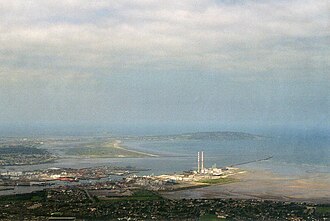
Poolbeg Lighthouse Keeper Legends: Visiting Dublin’s Haunted Beacon
Poolbeg Lighthouse — the red sentinel at the mouth of the River Liffey — draws visitors for its stark silhouette, dramatic coastal setting and a clutch of keeper stories that have circulated in Dublin for generations. Whether you come for seaside photography, maritime history or a late-evening goosebump from a local ghost tale, Poolbeg sits where fact and folklore meet on a narrow strip of stone and tide.
Book a Ghost Tour Dublin Experience to hear the Poolbeg keeper legends on an expert-led walk
Documented history: The construction, role and recorded keepers of Poolbeg Lighthouse
Documented history gives us a clear, practical account of Poolbeg’s purpose. The lighthouse marks the approach to Dublin Harbour, guiding vessels past the sandbanks and into the River Liffey. It was built as an aid to navigation and maintained as part of ordinary port operations; its visible red tower is a familiar landmark for locals and mariners alike.
There are official records and administrative logs — kept by harbour authorities and national maritime services — that describe the lighthouse’s construction, maintenance and operational role. Historically, lighthouses were staffed by keepers whose responsibilities included tending the light, maintaining the structure and logging shipping movements. Those keepers were employees: responsible workers whose daily tasks were practical and regimented.
If you want to dig deeper into primary sources about keepers and lighthouse administration, start with public archives and local maritime records. Our guide to research, Free archival sources for researching Dublin haunt stories — a practical guide, outlines accessible starting points for anyone wanting to check names, appointments and formal notices without relying on hearsay.
Keeper legends and reported hauntings (clearly marked as folklore)
Labelled clearly: the stories below are folklore and oral tradition. They are part of Dublin’s living legendscape rather than verified historical fact.
Common themes in the keeper legends include:
- A solitary figure seen on the wall or near the lantern — described variously as an old keeper in oilskins, or a shadowy silhouette that vanishes when approached.
- A light seen swinging or glowing when the lighthouse was known to be unmanned or automated — often explained in folklore as a lingering watch kept by a past keeper.
- Footsteps, voices and the smell of tobacco or oil reported by evening walkers — accounts that surface periodically in local conversation and online forums.
- Tales that link the keeper to a tragic personal event — such as loneliness, lost family or an accidental death — themes that give a ghost story emotional weight even when documentary evidence is absent.
Eyewitness claims vary in detail and reliability. Some are vivid, recent personal reports from walkers after dusk; others are second-hand stories told around pubs and community gatherings and then refined with each retelling. These variations are typical of oral folklore: motifs repeat, the drama increases, and the story becomes part of local identity.
Tracing the sources: What’s documented, what’s oral history, and how rumours spread
Separating fact from fiction requires three approaches: checking primary records, interviewing witnesses and understanding local storytelling practices. The documented side — harbour records, government notices and newspaper archives — gives administrative facts. Oral history and folklore fill in human detail: motives, emotions and dramatic scenes that official logs rarely record.
Rumours spread for predictable reasons. The setting itself — a long, exposed walkway with a single red tower at the end — primes the imagination. Nighttime visits, low light and the wind off Dublin Bay create conditions where shapes and sounds can be misinterpreted. Add the city’s appetite for a good story, the local pub, and modern amplification through social media, and a handful of anecdotes can become a full-blown legend.
For context on how other Dublin tales travel between fact and fiction, see our examination of myth and memory in the city: Victorian grave-robbing myths in Dublin neighborhoods: Fact, folklore & where to visit. And for guidance on verifying claims with public records, our archival guide above is a practical next step.
Visiting Poolbeg Lighthouse: access, best times, transport and legal restrictions
Poolbeg is accessible along the Great South Wall (often called the South Bull Wall), which is a public walkway. Many visitors reach the wall on foot, by bike or via local public transport to the Ringsend or Sandymount areas and then walk the harbour path. The walk is long and exposed — plan appropriate footwear, clothing and time.
Best times for different experiences:
- Daylight: clear views of the lighthouse, harbour and Dublin skyline; ideal for photography and quieter, practical visits.
- Sunset and twilight: atmospheric light for photos and an increased likelihood of hearing local stories from evening walkers; visibility drops quickly, so carry a torch.
- Night: the most evocative time for legend-hunters, but also the riskiest — tides, waves and slick surfaces make after-dark visits less safe.
Legal and safety notes: always observe signage and fenced areas. The lighthouse itself is not a public building in the way streets are; access inside or on the tower may be restricted. There are sections of the wall that are maintained by port authorities with rules that can change — if you’re planning an organised visit or a night event, consult local authorities and consider the guidance in our piece about running responsible tours: Running Charitable Ghost Walks in Dublin: Permits, Donations & Best Practices.
Practical tips for visitors: photography, safety on the coast, and respect for local residents
Photography tips: use a tripod for twilight or night shots; long exposures can capture the lighthouse’s red glow and passing lights. If you’re photographing people, ask permission. Avoid light pollution from torches in others’ shots; a brief, steady light is better than frantic waving.
Safety on the coast: tides, wet stone and wind are the main hazards. Wear sturdy shoes with grip, check tide times if you plan to explore areas near the water, and don’t stand on unstable or slippery edges. Bring a charged phone and let someone know your route if you’re walking late.
Respect local residents: Ringsend and the Pools area are communities with homes, working ports and businesses. Keep noise low on late walks, take your litter home, and follow any local guidance about parking and access. Responsible tourism helps preserve both the physical site and the stories attached to it.
How Ghost Tour Dublin Experience frames the Keeper Legends on our walks (what you’ll hear on a booking)
On our guided walks we separate documented history from folklore at every stop. You will hear the operational facts about Poolbeg — why the light was built, what keepers did, and how the site functions today — followed by the keeper legends as oral reports and local narrative. Guides clearly label eyewitness reports and traditional tales as such, and we point guests to public records and resources if they want to verify details. We also explain how and why legends change over time, so visitors can appreciate the story as both cultural expression and entertainment.
When you book with Ghost Tour Dublin Experience you’ll get contextual storytelling, not sensationalism. Our walks are designed to be atmospheric and respectful: history first, folklore second, interpretation transparent. If you’re organising a private group or a library talk, we also tailor content for audiences—contact us for a bespoke session.
Book a Ghost Tour Dublin Experience to hear the Poolbeg keeper legends on an expert-led walk
For private groups and tailored bookings, please use our private booking channel to discuss routes, group size and special requirements: Book a Ghost Tour Dublin Experience to hear the Poolbeg keeper legends on an expert-led walk (select private/group options).
Conclusion: Balancing curiosity with conservation — preserving stories and places
Poolbeg Lighthouse will keep attracting people because it combines landscape drama with human stories. As visitors, we can enjoy the thrill of a well-told ghost tale while remaining clear about what is recorded history and what is folklore. That balance protects the site physically — avoiding unsafe behaviour — and culturally, by respecting the community that lives beside the harbour and the archives that hold the facts.
If you’d like a guided introduction that keeps that balance, join a Ghost Tour Dublin Experience and hear the keeper legends from guides who value accuracy, atmosphere and safety.
FAQ
Is Poolbeg Lighthouse really haunted or are the keeper stories just folklore?
There is no conclusive, documented evidence proving a haunting. The keeper stories are part of local folklore and oral history: consistent themes appear in many accounts, but they remain unverified reports rather than established fact.
Can visitors go inside or climb Poolbeg Lighthouse?
Access to the interior of Poolbeg Lighthouse is typically restricted. Visitors may walk to the base along the South Bull Wall where public access is permitted, but climbing or entering the tower is subject to rules set by harbour authorities and may be prohibited. Always obey signage and local guidance.
Where can I find historical records about the lighthouse keepers?
Start with national and local maritime archives, port authority records and historic newspapers. Our guide, Free archival sources for researching Dublin haunt stories — a practical guide, gives practical tips on where to look and how to verify names and appointments.
Do you offer guided tours that include the Poolbeg Lighthouse legends?
Yes. Ghost Tour Dublin Experience presents both the documented history and the keeper legends on our guided walks, separating fact from folklore and emphasising safety and respect. Book a Ghost Tour Dublin Experience to hear the Poolbeg keeper legends on an expert-led walk.