
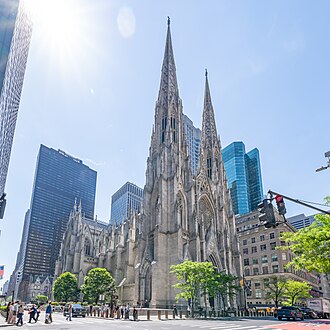
St Patrick’s Cathedral After-dark Tales: Nighttime History, Legends & How to Visit
St Patrick’s Cathedral draws visitors after dark for a reason: the stone, shadows and candles give an impression of time folded over itself. By twilight the building’s scale, memorials and quiet corners feel different than in daytime, and both sober history and popular folklore make the cathedral a compelling stop on any evening walk through Dublin.
Book the Ghost Tour Dublin Experience to hear live after-dark tales at St Patrick’s Cathedral
Documented history after dusk: verified events, architecture and notable burials
When separating what is known from what is imagined, start with the cathedral’s documented aspects. The structure you see is the result of long-term development: medieval foundations expanded over centuries and significant 19th-century restoration work shaped much of the present interior. Those changes are supported by architectural records, conservation reports and the cathedral’s visitor information.
Inside, the building houses memorials, tombs and inscriptions that commemorate clergy, civic figures and benefactors. Many of these memorials are factual: names, roles and commemorations recorded on stone and in cathedral registers. Evening visits let you study these markers under softer light, where epitaphs and carved iconography stand out more distinctly than during the day.
Burials and tomb monuments are documented in cathedral records and printed guides. Learning the verified biographies behind prominent monuments—who they were, what offices they held, and how they influenced Dublin—helps ground the after-dark experience in verifiable history rather than conjecture.
After-dark tales and legends: what is folklore and what is recorded?
Folktales, local legends and ghost stories are a separate layer. They grow where gaps in the record intersect with imagination. Some stories about St Patrick’s Cathedral are adaptations of wider Dublin lore; others are later inventions that became repeated because they are atmospheric.
Clear distinction matters: a documented event is recorded in archives or contemporary accounts; folklore is oral, mutable and often lacks primary evidence. When a story is vivid but unsupported by primary sources, treat it as legend—valuable for cultural context and atmosphere, but not the same as historical fact.
Examples of common cathedral legends include unexplained footsteps, shadowy figures near tombs, and the sense of someone watching from the choir stalls. These reports are part of Dublin’s oral tradition and have been amplified in walking tours and local storytelling. They are meaningful as part of the city’s cultural memory, even when they cannot be independently verified.
Nighttime features to look for: architecture, memorials and atmospheric spots
After dark certain features of the cathedral take on new prominence. Look for carved capitals, high vaulting and the way artificial lighting throws ribs and arches into relief. Candles and spotlights can create deep pools of shadow between illuminated memorials, making stone faces and inscriptions more dramatic.
Memorial aisles and side chapels are worth attention; these quieter niches often contain the most evocative epitaphs and sculpted reliefs. The choir and sanctuary, when accessible during an evening visit or event, can feel particularly solemn under selective lighting.
Outside, the cathedral yard and surrounding streets change character at night. The paving, boundary walls and nearby laneways collect echoes and long sightlines, turning otherwise familiar approaches into cinematic settings. For a related after-dark lane walk, consider the Merrion Row cobbled laneway ghost walk — guide & tour tips, which pairs well with a cathedral stop.
Practical tips for visiting after dark: hours, lighting, photography and etiquette
Check official opening hours before planning an evening visit: St Patrick’s Cathedral is a working place of worship, and access after dark varies with services, events and conservation needs. If you arrive outside visitor hours, you may still experience evocative views from the exterior and immediate precincts.
Lighting matters. The cathedral’s interior lighting design is intended for conservation as well as display; bright, handheld lights can be intrusive. If you plan to photograph, use the lowest practical ISO and avoid flash inside the building. Respect signs that prohibit photography in specific chapels or during services.
Etiquette at any time of day applies in spades at night. Keep voices low, avoid walking across services or rehearsals, and treat memorial areas with reverence. If a vigil, concert or other event is taking place, follow stewards’ instructions and give priority to worshippers and official programs.
Suggested short after-dark walking route and timing (self-guided friendly)
Start your walk about an hour before the cathedral’s scheduled closing time to allow a quiet perimeter visit and exterior photography. Approach via the main thoroughfare so you can take in facade details, then circle the yard to note boundary stones and older masonry.
Move inside with 20–30 minutes to spare—enough time to pause at a few memorials without lingering in crowded spaces. End your loop with a quiet moment in a side chapel or the nave before stepping out to the night air. If you want to extend the walk, the surrounding streets reward slow exploration and link naturally to other themed routes, including longer haunted-walk itineraries.
For walkers interested in broader topics of Dublin’s night lore—like odd coastal legends—pairing a cathedral visit with a different themed walk can be rewarding. The Poolbeg Lighthouse Keeper Legends piece shows how marine tales complement urban ghost narratives.
Safety, permissions, and respecting a working cathedral
Safety at night is straightforward but important. Stay on designated paths, avoid climbing on monuments or walls, and wear suitable footwear for cobbles and uneven stone. If a section is roped off for conservation, do not cross barriers—stonework and memorials can be fragile.
Permission matters for formal activities. If you plan to run a photography session, film, or host a small group, contact the cathedral’s administrative office to ask about permissions and possible fees. For operators and organizers, resources like our guide to running paid tours can help with planning and ticketing logistics; see Running a Paid Dublin Ghost Tour: Pricing & Ticketing Tips.
Respect the cathedral as an active place of worship. Avoid loud banter, and if you encounter a service or private event, give it precedence—stewards will typically advise on acceptable areas for visitors.
How to hear the full after-dark tales: booking the Ghost Tour Dublin Experience
Reading about the cathedral is useful, but guided evening walks bring context, measured storytelling and local perspective that enhance both documented history and folklore. Our guided Ghost Tour Dublin Experience combines factual background with carefully curated after-dark tales, separating documented events from legend as we walk.
Book the Ghost Tour Dublin Experience to hear live after-dark tales at St Patrick’s Cathedral
Private groups and bespoke experiences are available—if you are arranging a private walk for a small group or special occasion, reach out to discuss tailored timings and content. Private bookings can be arranged through the same booking channel for groups seeking a focused or private interpretation.
For those interested in developing their own walking guides or crowdfunded projects around Dublin’s haunted routes, our planning resources provide step-by-step advice and reward ideas; see Crowdfunding a Dublin haunted walking guide: plan, rewards & launch checklist.
Final notes: enjoy the atmosphere, but know the difference
St Patrick’s Cathedral after dark rewards patience and quiet attention. The experience sits between verifiable history and cultural storytelling. Embrace the mood, read the memorials, and enjoy the pulse of local legend—while keeping in mind which elements are documented and which are part of Dublin’s living folklore.
Book the Ghost Tour Dublin Experience to hear live after-dark tales at St Patrick’s Cathedral
FAQ
Is St Patrick’s Cathedral open to visitors after dark?
Opening hours vary with services and special events. The cathedral is a working church, so access after dark is not guaranteed every evening. Check official visitor information or book an evening slot on a guided walk to ensure access.
Are the after-dark ghost stories about the cathedral true?
Many stories are part of oral tradition and cannot be verified in primary records. They form an important part of local culture and atmosphere, but they should be distinguished from documented historical facts recorded in archives and on-site inscriptions.
Can I take photos or use a flashlight inside the cathedral at night?
Photography policies depend on events and conservation rules. Flash is often discouraged or prohibited inside. Use minimal, steady lighting and follow posted signs or steward instructions. For professional shoots, obtain permission in advance.
How do I book a guided after-dark tour that covers St Patrick’s Cathedral?
Reserve your place on an expert-led evening walk via our booking page: Book the Ghost Tour Dublin Experience to hear live after-dark tales at St Patrick’s Cathedral. Private group bookings are also available—contact us through the same booking channel to arrange a tailored experience.