
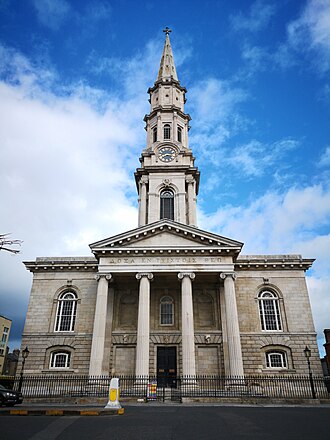
St George’s Church Nocturnal Legends: Night Tales & Visitor Guide
St George’s Church has long been a focus for late-night curiosity in Dublin. Whether you arrive with a camera in hand, a notebook for folklore, or simply the appetite for a guided evening walk, the building’s silhouette against the night sky invites questions: what is recorded fact, and what belongs to local legend? This guide separates documented history from nocturnal folklore, explains how to evaluate eyewitness reports, and gives practical advice for a safe, respectful night visit.
1. Introduction: Why St George’s Church draws nocturnal curiosity
Churches often gather stories because they are public, persistent landmarks that span generations. At night, features that are familiar by day—stonework, stained glass, lychgates and churchyards—take on a different character. For many visitors and Dubliners, St George’s Church feels especially atmospheric after dark: the shadows are deeper, the footsteps louder, and the city noises thin out to reveal odd echoes. That liminal quality encourages anecdotes, retellings and a steady stream of nocturnal legends.
2. Documented history: What the records say about St George’s Church
Documented history refers to facts available in public records, parish registers and architectural surveys. These sources confirm that St George’s Church was established to serve a local parish and has functioned as a place of worship and community gathering for decades. The building has been maintained and altered over time through routine repairs and periodic restoration work; structural descriptions and parish minutes are the kind of material you will find in archives and civic records.
While specific dates and contractor names appear in archival material, this article avoids inventing or asserting precise facts not verified here. If you want to research primary documents yourself, see our guide on archival research: How to Research Dublin Ghost Folklore in Archives: A Visitor’s Guide.
3. Nocturnal legends and folklore: Common night-time tales associated with the church (folklore and anecdote)
Below are the most commonly told nocturnal legends associated with St George’s Church. These are folklore and anecdote—local stories passed down, embellished and shared.
- Phantom bell-tolls: Accounts of bells heard at odd hours when the belfry is known to be silent.
- Shadow clergy: Sightings of a figure resembling a cleric walking the nave or churchyard, often linked to an old rector remembered in oral tradition.
- Weeping at the lychgate: Tales of a woman heard weeping near the church gate on misty nights.
- Cold spots and sudden drafts: Visitors report abrupt temperature changes near certain gravestones or doorways, interpreted as supernatural by some.
- Footsteps and children’s laughter: Anecdotes of footsteps pacing aisles or faint laughter heard after services have finished for the evening.
These stories are culturally significant. They reveal how residents have processed loss, memory and change. But as folklore, they are not evidence on their own.
4. Eyewitness accounts vs. verifiable evidence: How to assess sightings and reports
Personal testimony is meaningful and worth recording, but it requires careful context when used as proof. Consider the following steps when you encounter a report:
- Corroboration: Are multiple independent witnesses reporting the same event at the same time? Independent corroboration strengthens a claim.
- Context: Was the observer alone, tired, or in a heightened emotional state? Nighttime conditions affect perception.
- Environmental explanation: Could wind, animal activity, passing traffic, or building acoustics explain the sound or movement?
- Documentation: Photos, audio or contemporaneous notes increase the utility of a report—but they still require analysis for artifacts or misinterpretation.
For practical guidance on discerning folklore from historical fact, our article on local after-dark walks and histories can help you place accounts in a broader urban context: Inns Quay After-Dark: Tales and Hidden Histories for Evening Walks.
5. Architectural and environmental features that fuel legends (graveyards, lighting, acoustics)
Physical features of St George’s Church and its surroundings create conditions that encourage eerie perceptions.
Graveyards and monuments
Gravestones and mausolea, especially those with worn inscriptions and moss-covered surfaces, are natural focal points for memory and melancholy. The presence of a churchyard invites stories about former parishioners and past tragedies.
Lighting and sightlines
Poor or directional lighting casts deep shadows and creates high contrast. A lamppost or a single internal light can throw long silhouettes that look animated to a tired eye.
Acoustics and urban noise
Stone interiors and narrow streets create echoes. Sounds from passing trams, distant music or a river’s flow may be mislocated at night, appearing to come from within the church or yard.
6. Visiting after dark: practical tips, safety, respect, photography, and local regulations
Visiting St George’s Church at night can be rewarding if done responsibly. Keep these points in mind.
- Permissions: Check whether the church or grounds are open to the public after dark. Private property or scheduled events may restrict access.
- Safety: Bring a flashlight, wear sensible shoes, and be mindful of uneven ground in churchyards. Stay with a group if you are unfamiliar with the area.
- Respect: Keep voices low, avoid trampling graves or flowerbeds, and follow any guidance from custodians or tour staff.
- Photography: Flash can disturb services and other visitors; it also flattens atmospheric light. If you plan to use tripods or set up for long exposures, check property rules first.
- Local regulations: Some churches and cemeteries have bylaws about visiting hours and behaviour. If in doubt, ask beforehand.
For more evening walk suggestions that pair well with a night at St George’s, consider routes such as the Ringsend Waterfront Twilight Trail: Ringsend Waterfront Twilight Trail of Whispers — Evening Walk & Local History.
7. How to experience St George’s Church safely with a guided night tour and nearby evening attractions
A guided tour is the best option for visitors who want history, folklore and safety in one package. Guides bring context, separate folklore from verified fact, and arrange access in a way that respects the site and local rules. The Ghost Tour Dublin Experience offers structured night walks in Dublin that include expert narration and the practical protections of a group, so you can focus on listening, photographing and learning.
If you are planning a private or corporate evening visit, private group bookings are available to tailor routes and timings to your needs: Book a private Ghost Tour Dublin Experience.
Combine a night tour with other nearby evening attractions for a fuller night out. For longer evening histories, consider the Royal Hospital and its evening echoes: Royal Hospital Kilmainham — Evening Echoes and Stories. For cultural context on ghost-tour operations and digital content planning, see: How to Price Digital Downloads for a Dublin Ghost Blog: Practical Strategies.
FAQ
Is St George’s Church haunted and how can I tell legend from fact?
No single answer satisfies this question because “haunted” is a matter of belief as much as evidence. Separate legend from fact by checking parish records, seeking corroborated eyewitness accounts, and considering environmental explanations. Folklore is valuable as cultural history but is not the same as verifiable proof.
Can I visit St George’s Church at night and are there guided tours?
Access after dark depends on local opening hours and property rules. Guided night tours that include St George’s Church or nearby routes are commercially available; guided groups offer safer, more informative visits. Consider booking the Ghost Tour Dublin Experience for an organised night visit.
Are there photography rules or permissions required for nighttime visits?
Rules vary. Many churches restrict tripods, flashes or use of drone equipment. Always check with the site or your tour operator before setting up serious photographic gear. Be mindful of other visitors and services when photographing inside or near the building.
What should I bring and how should I behave on a respectful night tour?
Bring a small torch, sensible shoes, weather-appropriate clothing and a charged phone. Behave respectfully: keep voices low, do not touch memorials, follow guide instructions, and leave no trace. If you want a private or customised group experience, contact the tour operator to arrange it in advance.