
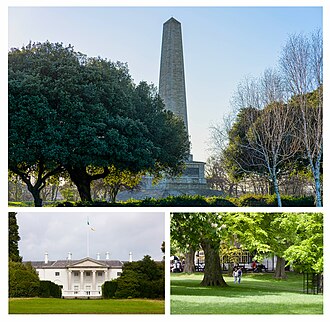
Iveagh Gardens Dusk Apparitions: An Evening Guide to History & Hauntings
The Iveagh Gardens at dusk hold a particular mood: clipped lawns and sculpted yews give way to long shadows, lanterns and city light refract through canopy and fountain, and the boundary between a park’s ordinary history and its quieter stories feels momentarily thin. This guide walks that line with a tourism-first approach—describing atmosphere and route for a dusk visit while separating recorded history from folklore, and offering practical advice for visitors and small-group tours.
Book a guided dusk walk with Ghost Tour Dublin Experience to join a curated stroll that blends historical context, local stories, and safe, respectful viewing at the most atmospheric hour.
Setting the scene: Iveagh Gardens at dusk — atmosphere, layout, and why twilight matters
Iveagh Gardens is compact and intentionally varied: sunken lawns, clipped hedges that form a simple maze, paved promenades, a cascade and fountain, and narrow wooded corners that feel larger than they are. At dusk those features alter perception. Sound softens; human traffic thins; water and lamplight create reflections that can be read as motion.
For visitors and photographers, dusk matters because it is when visual contrasts are strongest: silhouettes, backlit trees, and lamplight pools can transform benign elements into uncanny scenes. For folklore, dusk is the traditional time when liminal experiences are reported—neither day nor full night, but a threshold where stories most easily take hold.
Documented history of Iveagh Gardens: origins, design and recorded events
In separating the historical record from legend it helps to start with what municipal and publicly accessible records confirm about the gardens. Iveagh Gardens were developed as a designed urban green space and have been maintained by public bodies and private benefactors across decades. Official maps, planning notices and municipal maintenance records describe changes to layout, plantings and structures over time.
Recorded events in the gardens that are verifiable include public openings, documented restorations, and references in city plans and guidebooks. These materials are the backbone for any historical interpretation: they establish when features such as lawns, hedges, fountains and pathways were present and how the space was used socially (for promenades, quiet recreation, and occasional formal events).
When researching, look first to municipal archives, historical maps and contemporary newspaper listings for verifiable information. These sources tell us what the space actually was at particular times, which then frames any later claims about apparitions or unusual occurrences.
Reported apparitions and accounts: cataloguing eyewitness reports, newspaper mentions and oral tradition
There are three broad categories of accounts associated with Iveagh Gardens at dusk: first, named eyewitness reports collected by journalists or local historians; second, passing mentions or letters in local newspapers; and third, oral tradition passed in neighbourhood memory or on guided walks.
(Folklore) Oral accounts: Many of the most persistent stories are oral—recounted on walking tours or in casual conversation. Typical motifs include a solitary female figure in older-style dress seen near the sunken garden, a fleeting presence near the cascade, or strange lights among the trees. These accounts are valuable as social history: they show how people experience the place, but by nature are often uncorroborated and vary in detail.
(Contemporary reports) Local newspapers and reader columns have occasionally printed short personal accounts. Such mentions tend to be anecdotal: a midnight encounter, a feeling of being watched, or an unexplained photograph. These can be logged as modern folklore unless supported by independent documentation.
(Credible documentation) Verified records of disturbances or harm connected to the gardens are absent from the folkloric record; police logs and municipal incident reports that are accessible typically cover safety or bylaw matters rather than inexplicable phenomena. That absence does not disprove personal experiences, but it does shape the evidential baseline.
How we label these accounts
In this guide, eyewitness descriptions gathered by tour leaders or reporters are presented as firsthand folklore unless they are substantiated by independent, contemporaneous documentation. Newspaper mentions are noted as media reports; municipal records remain the standard for establishing what physically existed at a given time.
Separating folklore from fact: a practical methodology
When evaluating a ghost claim, apply three simple filters: documentary corroboration, physical explanation, and pattern recognition.
- Documentary corroboration: Seek archival evidence—maps, planning records, contemporary news reports—that places a person or event in the gardens at a stated time.
- Physical explanation: Consider mundane causes—reflections, passing traffic, lighting artefacts, animal movement, or misperception—especially at dusk when visibility is reduced.
- Pattern recognition: Compare a report to common folkloric motifs. Recurrent motifs (the lonely woman, the faded soldier, or inexplicable lights) suggest the story may be part of broader cultural patterns rather than a unique, verifiable event.
This methodology helps tour guides and curious visitors present and interpret stories responsibly: as engaging local lore rather than confirmed historical fact unless evidence proves otherwise.
Suggested dusk walking route and timing
For a focused dusk visit, plan for a 30–45 minute loop that maximises atmosphere while maintaining safety and minimal disturbance.
- Arrive 20–30 minutes before official dusk to orient the group and cover practical matters (permissions, safety briefing).
- Start at the main entrance and follow the promenade toward the sunken lawn, pausing at the formal hedging and maze for orientation and a brief history note.
- Move to the cascade or fountain area at true dusk—the combination of water and falling light produces strong visual cues that enhance storytelling.
- Finish in a quieter wooded corner for a final story and Q&A. Allow guests time to photograph and reflect before exiting as night falls.
Photography vantage points: the terrace above the sunken lawn and the paved approach to the cascade offer clear sightlines and fewer obstructions. Keep group sizes small to preserve the atmosphere and allow for low-light photography.
Visitor practicalities: permissions, safety, photography, and respectful behaviour
Before visiting, check on hours and rules: many urban gardens close at or shortly after dusk. Respect signage and closures; trespass can result in fines and risks to safety.
Safety: Bring adequate lighting (headlamps or low-level torches), stay on formal paths, and avoid venturing into dense plantings. Keep groups compact and ensure everyone knows the route in advance.
Photography and recording: Low-light photography can produce surprising effects. Be transparent about recording—ask permission if images or EVPs are being collected during a private tour. Avoid intrusive lighting or equipment that disturbs other park users.
Respectful behaviour: Iveagh Gardens is a public space used by locals for relaxation. Keep noise low, never interfere with memorial or historic features, and treat oral histories and local memories with sensitivity.
Advice for tour operators: framing stories responsibly and risk management
Frame apparitions as part of the site’s living folklore and cultural history rather than as established fact unless documentary evidence supports a claim. Preface evocative tales with clear language—”this is oral tradition” or “local legend says”—so guests understand what is folklore and what is documented history.
Risk management: secure necessary permissions for commercial groups, carry public liability insurance, perform a risk assessment for low-light navigation, and cap group sizes to avoid crowding. Have a wet-weather and late-exit contingency plan.
Linking the Iveagh Gardens to a wider dusk walk can work well: sites with surviving funerary architecture or apotropaic marks often continue the thematic thread. For operators interested in broader themes, see related features such as Apotropaic Marks in Dublin Architecture and local cemetery narratives like St Kevin’s Churchyard Ghosts.
Booking info and next steps
If you prefer a guided experience that balances atmosphere with accurate context, consider joining a small-group dusk walk led by experienced local guides. Book a guided dusk walk with Ghost Tour Dublin Experience to reserve a spot and receive pre-walk guidance on timing and meeting points.
If you’re organising a private or corporate group, we can tailor the route and storytelling to your needs; for private bookings and group enquiries, contact our team to discuss options and logistics.
For further reading on related Dublin sites and how local memory shapes place-based stories, explore articles such as Unmarked Memorials, Howth Cliffside Spectres, and practical ideas for partnership development in dark tourism via Sponsorship Ideas for Dublin Dark Tourism Blogs.
Book a guided dusk walk with Ghost Tour Dublin Experience or enquire about private group tours to plan a safe, informative and atmospheric visit.
FAQ
Are there verified historical records that mention apparitions in Iveagh Gardens?
Short answer: no widely accepted archival records specifically documenting supernatural apparitions have been found in public municipal records. Most references to apparitions come from oral accounts, local reporting, and tour narratives rather than contemporaneous, official documentation.
Can I visit Iveagh Gardens at dusk with a tour group, and are permits required for commercial tours?
Many public gardens have rules for commercial activity. Small informal groups may not require permits, but organised commercial tours typically do. Always check with the managing authority and secure any required permissions before operating a paid tour.
Is photography or EVP recording allowed in the gardens after dark?
Photography in public areas is generally permitted, but restrictions may apply at closing times or for commercial use. EVP recording is a form of personal research—be considerate of other visitors, and do not set up intrusive equipment. If you are on a guided tour, follow the guide’s policy on recording.
What should I do if I want to research an apparition report mentioned in the article?
Start with primary sources: municipal archives, historical maps, and contemporary newspapers. Cross-reference eyewitness accounts with these documents, interview witnesses when possible, and consider natural explanations for low-light perceptions. If you need help, a local historical society or experienced guide can point you to reliable archival resources.