
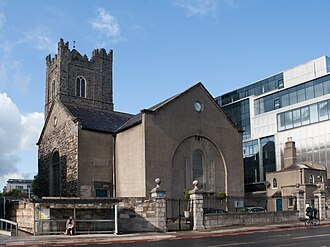
Dublin’s churches hide more than stained glass and choir stalls: beneath many of the city’s sacred sites lie vaults, crypts and undercrofts layered with lives, burials and stories. This guide pairs recorded history with local folklore to help visitors explore these subterranean spaces safely and respectfully. You’ll find practical visiting advice, clear distinctions between documented facts and legend, recommended accessible sites, a sample half‑day trail and reasons why a guided Ghost Tour Dublin Experience is the best way to reach some restricted spaces.
Book a Hidden Crypts & Vaults Walk with Ghost Tour Dublin Experience
History beneath the pews: documented origins of church crypts and vaults in medieval and post‑medieval Dublin
Many of Dublin’s church crypts and vaults began as practical spaces: undercrofts for storage, foundations for larger stone churches, burial vaults for wealthy families, or charnel areas attached to cemeteries. Over time these spaces accumulated artifacts—coffins, carved stones, memorials—and became part of the documentary record in parish registers, vestry minutes and antiquarian accounts.
Documented history generally shows that larger ecclesiastical institutions—cathedrals, collegiate churches and wealthy parishes—were more likely to have extensive vaulted cellars and crypts. These areas were used for burials, safekeeping of relics or plate, and in some cases as chapter houses or meeting spaces. Surviving records tend to focus on ownership, repairs and notable interments rather than sensational claims, so the archival trail is often practical rather than paranormal.
Notable, visitor‑accessible sites
Some of Dublin’s underground church spaces are open to visitors, often with curated displays that explain both historical and cultural context. Two of the most accessible and meaningful examples are:
St Michan’s crypt
What you can see: The vaulted cellar beneath St Michan’s is open to the public and is famous for remarkably well‑preserved human remains discovered in the burial niches and coffins. Visitor pathways allow careful viewing of these material remains alongside interpretation about burial practices.
Why it matters: St Michan’s vaults present physical evidence of past funerary practice and provide a rare, direct material connection with Dubliners across centuries. The site is presented with respect to the dead and with clear conservation measures.
Christ Church Cathedral crypt
What you can see: Christ Church’s crypt is one of the largest in Ireland that is normally accessible to visitors. Exhibits interpret architectural phases, recovered artefacts, and the role of the cathedral in the life of the city.
Why it matters: As a long‑established urban cathedral, Christ Church’s undercroft tells structural and social stories—how spaces beneath churches were adapted and reused, and how material remains inform our understanding of Dublin’s religious history.
Other larger churches and cathedrals occasionally provide access to undercrofts, and smaller parish crypts sometimes open for heritage days or by arrangement. For related walking themes, consider pairing a crypt trail with our Viking‑era Dublin night walk for eerie ruins and real tales or exploring atmospheric bookshops in town—see Haunted Bookshops & Bibliophile Ghosts in Dublin: A Visitor’s Guide.
Folklore vs. fact: popular legends associated with particular crypts
It’s important to mark where the record stops and legend begins. Here are common claims, labeled clearly.
Legend: hidden treasures and secret passages
Folklore often claims vaults contain hidden treasure or tunnels to distant sites. These stories make vivid guided‑tour copy, but documented archaeology and architectural surveys rarely support extensive secret passage networks beneath central Dublin. Most apparent “tunnels” are structural voids, drains or later cellars rather than deliberate long‑distance escapes.
Documented fact: family vaults and reburials
Records clearly show the use of crypts for family vaults and occasional reburials when urban development disturbed churchyards. Parish registers, wills and burial records document named interments and maintenance, providing reliable context for what is actually in many vaults.
Legend: restless spirits and curses
Stories of hauntings are part of local oral culture and perform a social function—explaining the unsettling, adding drama and connecting communities to place. Such claims are folklore unless supported by verifiable evidence. Tours and storytellers often present them as such—colorful, local and culturally significant but not the same as historical record.
Lesser‑known vault trails and how to access them
Beyond the well‑known sites, a number of smaller crypts and vaulted cellars exist beneath parish churches, coaching inns and former ecclesiastical properties. These are often managed locally and have varied access rules.
- Permissions: Many vaults are on consecrated ground or privately managed; always seek permission. Parish offices, cathedral visitor centres and heritage organisations are the proper first contact points.
- Guided tours: Access to restricted spaces is most commonly arranged through guided experiences. Booking a specialist Ghost Tour Dublin Experience is frequently the only way to see certain vaults legally and safely.
- Special openings: Some vaults open for heritage days, festivals or research projects. Keep an eye on local listings and the websites of individual churches.
Practical planning: opening times, tickets, safety and respectful behaviour
Opening hours and ticketing vary: cathedral crypts usually have set opening times and admission fees, while smaller sites may require appointment. Wear sensible footwear—the floors can be uneven and damp—and dress for cool, still air below ground.
Safety: Follow guide instructions, keep to marked paths, and avoid touching exposed remains or fragile masonry. Photography may be restricted where conservation or sensitivity is an issue—see the FAQ below for typical rules.
Respectful behaviour: Remember that these are sacred spaces and often tombs. Keep voices low, do not handle memorials, and respect any requests from clergy or site staff. If you want to learn how to document or photograph ethically, our page on How to Sell Dublin Ghost‑Tour Prints and Posters offers practical advice on rights and presentation in heritage settings.
Sample half‑day crypt trail itinerary
Duration: about 3–4 hours. Comfortable shoes and a small amount of flexibility with timings are recommended.
- Start at Christ Church Cathedral—explore the nave then descend to the crypt for foundational history and artefacts.
- Walk to St Michan’s—reserve a timed entry to view the crypt and hear the conservator’s approach to preserving human remains.
- Pause for lunch in a nearby historic inn, using the time to read up on local tales or visit a linked attraction—for atmospheric context, sample a route that includes sites mentioned in Phantom Tram Legends or Historic Dublin Coaching Inns and Their Ghost Stories.
- Finish with a short visit to a parish church or a heritage event that provides access to a lesser‑known vault, ideally arranged in advance with a guide.
On a Ghost Tour Dublin Experience you’ll benefit from curated access, historical interpretation, and clear guidance on etiquette and safety—your guide arranges permissions, explains documentary evidence versus legend, and ensures sensitive material is handled with care.
Conservation and ethics: why preservation and local perspectives matter
Underground heritage is fragile. Airflow changes, handling, flash photography and even large numbers of visitors can damage plaster, wood, and organic remains. Conservation professionals prioritise stabilisation, environmental monitoring and minimal intervention. Respecting restricted zones and following guidance helps preserve these spaces for future study.
Local perspectives are essential. Churches are living communities with ongoing worship and pastoral responsibilities. Engaging with clergy and parish teams, supporting paid entry or donation systems, and choosing guided experiences that return income to custodians are practical ways to be ethical and helpful.
Book a Hidden Crypts & Vaults Walk with Ghost Tour Dublin Experience
For private groups, education sessions or tailored heritage access, we can arrange private bookings that accommodate special interests, accessibility needs or corporate groups. Visit the private group bookings page to enquire about exclusive tours and customised routes: Private group bookings.
FAQ
Are Dublin church crypts open to the public without a guide?
Some larger sites—like the crypt at Christ Church and St Michan’s—have regular public opening hours and ticketed entry. Many smaller vaults are only accessible by appointment or during special events. A guided tour often provides the only legal and safe access to restricted spaces.
Are the crypts safe and suitable for visitors with mobility issues?
Safety varies by site. Many crypts have uneven surfaces, steps and low lighting; full accessibility is not always possible. Contact the site ahead of your visit or book a guided tour that can advise on routes, nearest accessible areas and any alternative arrangements.
Are the ghost stories about these crypts true or just folklore?
Ghost stories are part of Dublin’s living folklore. They express community memory and atmosphere but are not the same as documented historical evidence. Distinguishing between folklore and archival records is a key part of responsible interpretation on guided walks.
Can I take photographs or film inside crypts and vaults?
Rules vary by site. Many locations restrict photography to protect fragile materials and out of respect for human remains. Ask staff or guides before taking photos; if permitted, avoid flash and follow any conservation guidance provided.