
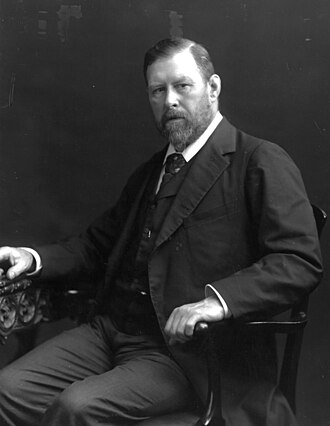
For visitors drawn to Dublin’s literary shadows, Bram Stoker’s lesser-known corners offer a quieter, more intimate way to understand the author of Dracula. Beyond the well-trodden tourist stops, there are small lanes, coastal suburbs and civic records that speak to the city that shaped his early life and imagination. This guide lays out a half-day walking loop that balances verifiable links to Stoker with the atmospheric folklore that grew up around him—so you can enjoy mood and myth without confusing one for the other.
Book a Bram Stoker‑inspired walk with Ghost Tour Dublin Experience
Introduction: Why Bram Stoker’s quieter Dublin matters for visitors
Bram Stoker is usually associated with Victorian London and the Lyceum Theatre, but Dublin supplied much of the texture for his worldview. Exploring the city’s less obvious Stoker corners lets you see the streets, coastlines and civic institutions that informed his upbringing—places that rarely appear in guidebooks. For history-minded visitors, the appeal is twofold: tracing documented connections in archives and enjoying atmospheric spots where later tradition filled the gaps.
Quick note on sources: what’s documented, what’s tradition — how to tell the difference
When researching Stoker, you’ll meet three kinds of claims: documented (found in primary records such as parish registers, census returns, university archives and contemporary newspapers), well-attested biographical facts (in reputable biographies based on archives), and later folklore or tourism-driven stories that attach dramatic incidents or hauntings to places long after Stoker’s time.
To separate them, check original or institutional records: the National Library of Ireland, Trinity College Dublin archives, Dublin City Archives and contemporary newspaper archives are the best starting points. Where documentation is lacking but a place has a long oral tradition connecting it to Stoker, treat that link as folklore and enjoy it for atmosphere rather than fact.
Suggested route: a half-day walking loop of lesser-known Stoker corners
Overview: a 3–4 hour loop (walking 4–6 km with stops) that starts from the north city and finishes near Smithfield or the city centre. The route blends documented sites and atmospheric corners; it’s designed to avoid the busiest tourist crowds and highlight quieter streets.
Start: Clontarf / coastal edge (reachable by DART or bus). Spend 30–40 minutes walking the seafront promenade—this coastal suburb is part of Stoker’s Dublin story and sets the scene for seaside imagery often noted in accounts of his upbringing.
Next: head inland toward the north city, passing quiet residential streets and small parks. Time: 45–60 minutes walking with two short stops for photos and context. Look for 19th‑century streetscapes and civic buildings that reflect the Dublin of Stoker’s youth.
Midpoint: Cabbage Garden and surrounding lanes—an atmospheric patch of burial ground and narrow alleys worth a 30–40 minute stop; see the Cabbage Garden After‑Dark guide for tips on experiencing this site at dusk.
From there, make your way past North Circular Road precincts—streets with layered histories and Victorian architecture. Pause for a short coffee or pub stop, taking care to note which Stoker claims are documented and which are local legend; the North Circular Road Twilight Walk is a useful companion route for evening visitors.
Finish: the area around the historic workhouse sites and Smithfield. Allow 45–60 minutes to explore the exterior architecture, local plaques and the atmosphere; for context on workhouse history and claims of hauntings, consult Dublin Workhouse Hauntings: History, Records and Local Legends.
Practical map and timing notes: the walk covers mostly flat ground with some cobbles. Plan for 3–4 hours including stops, or extend into an afternoon with a longer pub or museum visit. Public transport links connect the start and finish back to the city centre; if arriving by train or bus, Smithfield and nearby stops are convenient places to join or leave the loop.
Documented connections: verified Dublin sites associated with Bram Stoker
There are a handful of Dublin links that rest on primary records and careful biography rather than on later invention. These include early life and family ties in Dublin suburbs, student associations in the city’s institutions, and references to his name in local newspapers and directories.
Where to check verification: National Library of Ireland (manuscripts and newspaper archives), Trinity College Dublin archives (for student and social records), Dublin City Archives (city directories and maps), parish registers and contemporary newspapers. Querying these collections will uncover birth and family notices, addresses in city directories and public mentions that anchor Stoker to specific Dublin neighborhoods.
Use these documented strands to frame your walk: interpret the seaside suburbs, Regent streets and civic buildings you pass as part of a verifiable Dublin narrative rather than theatrical embellishment.
Atmospheric corners and later associations: pubs, lanes and small museums linked by folklore
Many of the most evocative stops on Stoker-themed walks are posthumous associations: pubs that claim he drank there, lanes said to have inspired scenes in Dracula, or hotels that market a “Stoker room.” These can be delightful for atmosphere but should be presented as part of local storytelling or commercial interpretation rather than as proven fact.
Examples of atmospheric corners:
- Pubs and hotels that trade on literary connections; these spots are excellent for staging the mood but treat claims of “Stoker slept here” cautiously. For hospitality with gothic flavour, see Haunted Hotels of Central Dublin: A Visitor’s Guide to Stays, Stories and Tours.
- Cabbage Garden and other burial grounds—rich in evocative imagery and long the focus of local legend; consult Cabbage Garden After‑Dark for historical background and safety tips for evening visits.
- Residential lanes and lesser-known squares that have acquired Stoker lore through storytelling rather than archival evidence; these places are worth visiting for their ambience and for understanding how literary tourism builds local myth.
Label these sites clearly on your own notes as “folklore/atmosphere” so you keep the distinction visible when sharing the experience with others.
Practical visitor information: opening times, accessibility, best times of day, photography and respect for private property
Opening times: most outdoor sites and lanes are public and accessible at all times, but adjoining museums, hotels and some heritage sites have specific opening hours. Check ahead if you want to enter a museum or guided interior of a hotel.
Accessibility: the route is mostly on level streets, but expect short stretches of cobblestone and occasional steps at older doorways. Bring comfortable shoes and check individual venue accessibility if mobility is a consideration.
Best times: late morning to early afternoon for clear light and open cafes; dusk for atmospheric photography but avoid trespassing on private property or into grave yards after dusk without permission. If you plan evening exploration, combine it with an expert-led walk—professionally guided tours can safely convey atmosphere after dark.
Photography and respect: many stops are residential or semi-private. Photograph facades and public spaces, but avoid photographing people without permission and do not enter private courtyards. Be conscious of residents’ privacy when lingering on narrow lanes.
How to deepen the visit: archives, guided tours and combining this route with a Ghost Tour Dublin Experience
For history-minded visitors who want to move from atmosphere to archival evidence, schedule time at the National Library of Ireland or Trinity College Dublin to consult contemporary newspapers, directories and parish registers that document Stoker’s family and Dublin presence. Local history groups and the Dublin City Archives will also assist researchers looking for specific addresses and civic records.
Guided options: joining a knowledgeable guide sharpens the distinction between documented fact and later legend. A professionally led tour provides context, local knowledge and safety for evenings. To combine this independent half-day loop with an expert after-dark experience, consider booking a Ghost Tour Dublin Experience—guides can expand on the folklore and offer safe, atmospheric routes after sunset.
Book a Bram Stoker‑inspired walk with Ghost Tour Dublin Experience
For private groups and bespoke walks—academic groups, film-location scouts or private parties—Ghost Tour Dublin Experience offers tailored itineraries that can focus more intensively on archives or on atmospheric storytelling. Contact the same booking page for private-group options and bespoke scheduling for mornings, afternoons or twilight departures.
Further reading and local resources
To keep your visit balanced between fact and folklore, pair the walk with a few targeted resources: the Cabbage Garden After‑Dark notes for night safety and legend context, the North Circular Road Twilight Walk for a themed evening route, and Dublin Workhouse Hauntings for social-history background on workhouse sites you may pass. If you enjoy recurring guided events and member benefits, see Dublin Ghost Blog Membership Tier Ideas for Tours & Dark History Fans.
FAQ
Are these Bram Stoker sites open to the public or are they private properties?
Most of the route consists of public streets, promenades and open burial grounds. Some associated buildings—private homes, hotels and some museums—are not publicly accessible without permission or a paid visit. Always check opening hours and respect private property and residents’ privacy.
How long is the suggested walking route and is it suitable for all fitness levels?
The half-day loop is designed to take about 3–4 hours including stops, covering roughly 4–6 km on mostly flat ground. It is suitable for visitors with a moderate level of fitness; adjust the route or take public transport for shorter distances if necessary.
How can I tell which Bram Stoker claims are documented history and which are legend?
Documented claims are supported by primary records (parish registers, census, city directories, university archives and contemporary newspaper mentions). Legend tends to appear in oral stories, pub lore and tourism copy without archival backing. If in doubt, consult the National Library of Ireland, Trinity College archives or Dublin City Archives for verification.
Can I join a guided tour focused on Bram Stoker with Ghost Tour Dublin Experience?
Yes. Ghost Tour Dublin Experience runs walks that highlight Stoker‑related corners, combining scholarly context with atmospheric storytelling. For standard bookings or bespoke private groups, use the booking page: Book a Bram Stoker‑inspired walk with Ghost Tour Dublin Experience.