
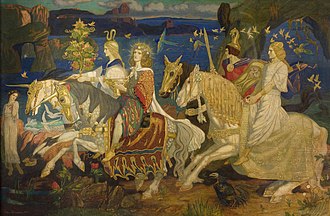
Folklore shapes how visitors experience a city as alive with stories as it is with streets. In Dublin, ghost tales recur around certain images — lonely lanterns, fog over the Liffey, a figure on a Georgian terrace — and those recurring images, or motifs, become the shorthand that tour operators, writers and content creators rely on to convey mood, place and meaning. This practical guide outlines the common motifs in Dublin ghost folklore, shows how to test them against documented history, and offers concrete steps for using them responsibly in commercial tours and storytelling.
Why motifs matter: framing folklore for Dublin tours and visitors
Motifs are repeatable, recognisable elements that carry emotional and cultural weight. They make a walk memorable, help audiences form quick mental pictures, and provide scaffolding for narrative structure. For tour operators and writers they are useful shorthand: a single image can communicate era, class, gendered experience, or the moral of a story.
But motifs also compress complexity. A “weeping widow” or “restless sailor” can obscure social causes, legal records, or long-standing community memory. That compression is powerful — and risky if left unchecked. Knowing the motifs lets you use them deliberately, not as lazy atmosphere.
Common motifs in Dublin ghost folklore — what they are and what they mean
Restless dead and unfinished business
Stories of spirits who linger because of a wrong, a lost child, or an unsettled promise are everywhere in Dublin lore. These motifs express social anxieties — unresolved legal disputes, broken families, sudden deaths — and they invite empathy. In tours, present them as cultural metaphors as much as supernatural claims.
Georgian squares and the grey lady
Georgian terraces and garden squares regularly host accounts of spectral figures, especially women in period dress. These motifs often reflect social history: displacement, poverty behind a grand facade, or scandals that were whispered about but never recorded. When you discuss a square, consider linking the architecture to documented resident lists or contemporary newspapers. For a focused visitor route see the Merrion Square Georgian Ghost Trail: A Visitor’s Guide to History & Legends.
Crypts, church shadows and sanctified sorrow
Church crypts, vaults and cathedral basements are fertile places for ghost stories. These motifs blend reverence and fear: sacred spaces that are breached by memory. Distinguish stories that arise from oral tradition from those anchored in funerary records or burial registers. For a specific local example, check St Patrick’s Cathedral Crypt Legends and Shadows — Visitor Guide.
Coastal apparitions and drowned figures
The sea and river are persistent motifs: phantom boats, keepers on lonely lighthouses, or figures on cliffs. Coastal motifs often encode occupational hazards, migration losses, and shipwreck memory. For coastal material and visitor tips see Howth Head Ghost Stories and Coastal Apparitions: A Visitor’s Guide and Poolbeg Lighthouse Keeper Ghost Tales: History, Legends & Visitor Tips.
Phantom footsteps, locked rooms and time‑slips
Auditory motifs — unseen footsteps, doors that open and close, clocks stopping — are potent on a walking tour because they invite attention to the present environment. Time‑slip stories (witnessing a scene from the past) are often modern narrative constructions; label them speculative unless substantiated by multiple independent witnesses or archival corroboration.
Heirlooms, tokens and repeated objects
Objects that recur in stories (rings, keys, shawls) are emotional anchors. They let you create a tactile detail that audiences can visualise. When an object is claimed to still exist in a public collection or private house, verify before asserting its provenance.
Distinguishing folklore from documented history: verification tips
Separate three categories when you research: documented history, folklore, and legend. Documented history rests on records: legal papers, burial registers, newspaper reports, or archival material. Folklore is oral culture — stories told and retold within communities. Legend sits between: a narrative connected to a specific place that may include kernels of verified fact but has grown with embellishment.
Verification tips:
- Start with primary records: parish registers, court records, city directories and old newspapers. These can confirm names, deaths, addresses and major incidents.
- Cross‑check oral accounts with archival material. If a dramatic event is widely told but absent from contemporary reports, treat it as unverified folklore rather than fact.
- Ask archivists and local historians about gaps in the record. Silence in the archives can mean a lost record — not necessarily proof that an event didn’t occur — but you must flag that uncertainty to audiences.
- Map the story onto the physical place. Does the built environment match the version you were told? Buildings change; what stood in 1800 might be gone, which affects how you present the tale.
Research methods and local sources to consult in Dublin
Effective research mixes desk work with on‑the‑ground enquiry. Use public archives, local libraries, and oral history resources. Key types of sources to consult include city archives, parish and cemetery registers, digitised newspaper collections, estate papers, old maps, and probate records.
Visit local heritage centres, university history departments and community groups. Speak with custodians at churches or museums before citing items in a script. If a story references a named person, search probate or census substitutes to locate corroborating data. Keep a research log noting which sources confirm, contradict, or simply repeat a tale.
Ethical storytelling: respecting victims, communities and sources
Ghost tours and content that touch on tragedy require conscious ethics. Begin by naming the difference between speculation and documented fact. Offer content warnings for subjects such as famine, executions or child mortality.
Guidelines:
- Prioritise dignity: avoid sensational language when recounting real deaths or crimes.
- Seek permission when using material from living families or recent oral testimonies.
- Credit your sources publicly where appropriate and maintain notes for internal verification.
- Avoid commodifying trauma: if a site remains a place of mourning, consider whether it should be included at all.
Practical ways to weave motifs into tour scripts and marketing
Use motifs to set tone, not to replace context. Anchor a motif with at least one factual touchstone: a building, a registry, or an archival quote. Phrase uncertain claims carefully: “local tradition holds” or “stories passed down say” are clear markers of folklore.
Examples of practical application:
- Open with a sensory motif — the cold light on a Georgian façade — then layer a documented fact about the street’s historical use.
- Use repeated motifs as a structural device: close each stop with the same motif (a bell toll, a line of dialogue) to create cohesion.
- Use marketing to set expectations. If a route focuses on legends rather than verified history, say so. This transparency builds trust and repeat visitation.
For creators looking to expand beyond walking tours, see Monetize a Dublin Ghost Blog with Affiliate Tours — Practical Guide for tips on responsible commercialisation and affiliate partnerships.
On‑the‑ground research checklist for guided walks and content creators
- Permissions: check private property access and filming/photo rules.
- Verification: note primary sources that support any factual claims you make.
- Oral history: obtain consent and record interviews with dates and interviewee details.
- Sensitivity review: flag stops touching on famine, executions or recent tragedies for careful treatment or omission.
- Safety and logistics: route lighting, pavement conditions, and crowd control plans.
- Audience guidance: prepare content warnings and optional alternative narratives for sensitive segments.
- Documentation: keep a public bibliography or resource page for guests who want to read further.
- Insurance and emergency planning: ensure you have appropriate coverage and a first‑aid plan.
Book a Ghost Tour Dublin Experience to see these motifs brought to life on an expert‑led night walk — reserve now. For private groups or tailored research walks, contact our bookings team to discuss bespoke options: Private group bookings and enquiries.
FAQ
How can I tell if a Dublin ghost story is folklore or a documented historical event?
Look for primary records: newspapers, parish registers, court documents and burial records. If a story is only present in oral versions or modern retellings without contemporary documentation, classify it as folklore or legend. Always state the level of verification when presenting it to audiences.
Can I use traditional motifs in a paid tour or book without legal issues?
Motifs themselves are cultural expressions and not subject to copyright. Legal issues arise when using copyrighted text, unpublished interviews without permission, or private property images without consent. Respect living sources and obtain permissions where needed.
What local archives or sources are best for researching Dublin ghost lore?
Consult city and national archives, local parish registers, digitised newspaper collections, university special collections and community heritage centres. Speak with archivists and local historians who can point to relevant estate papers, burial records, or contemporary reportage.
How do I handle sensitive topics (famine, executions, tragedy) when using motifs on tours?
Use careful language, provide content warnings, prioritise dignity, and avoid sensationalism. Offer alternatives for guests who wish to skip a sensitive section. Where possible, contextualise tragic motifs with social and economic background to avoid reducing suffering to spectacle.