
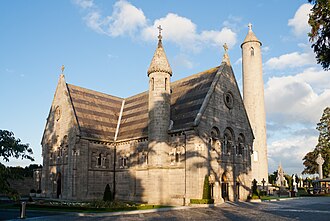
Glasnevin Cemetery: Legends, Forgotten Burials & Visitor Guide
Glasnevin Cemetery is one of Dublin’s most powerful places of memory: a working burial ground, an open-air history book and a magnet for dark-tourism curiosity. This guide separates documented graves from local folklore, highlights overlooked plots, and gives practical advice for visitors who want a respectful, illuminating experience of Glasnevin Cemetery legends and forgotten burials.
Book a guided Glasnevin Cemetery experience with Ghost Tour Dublin
Why Glasnevin matters — history, national memory and dark-tourism appeal
Glasnevin was established in the 19th century to allow burials without the constraints of parish plots. Over time it became the final resting place for activists, political figures, artists and everyday Dubliners. For locals it is a civic archive; for visitors it is a place where personal histories, national stories and layers of urban legend overlap.
Quick practicals: hours, tickets, accessibility, photography and respect
Glasnevin Cemetery welcomes visitors daily, but opening hours can vary seasonally. There is a visitor centre with curated exhibitions and a paid guided tour offered by the cemetery itself; however, the grounds are largely accessible to the public during daylight. Bring water and wear sturdy shoes—paths can be uneven.
Photography is generally permitted for personal use, but treat graves and monuments with care. Avoid stepping on graves, moving flowers or leaning on memorials. Mobile phone calls and loud behaviour are discouraged; this is a place of mourning as well as history.
Accessibility is improving, with paved routes near the visitor centre and some major monuments, but parts of the cemetery are hilly and gravelled. If you have mobility needs, check the cemetery’s own visitor guidance and consider a guided option that can tailor the route.
Notable graves to visit: documented historical figures and why they matter
Below are some of the graves commonly cited in records and cemetery guides. The purpose here is to point you to documented burials rather than to offer exhaustive biographical detail.
Daniel O’Connell
Known as “The Liberator,” Daniel O’Connell is a central figure in modern Irish history. His grave and the O’Connell monument are well marked and frequently visited. Records and cemetery maps indicate his vault remains an important focal point.
Charles Stewart Parnell
Parnell’s tomb is another documented highlight. As a political leader whose influence shaped parliamentary history, his memorial attracts those interested in the late 19th-century struggle for Irish political rights.
Jeremiah O’Donovan Rossa and other activists
O’Donovan Rossa’s burial and the famous graveside oration associated with him are referenced in public histories and cemetery literature. Glasnevin contains many interments of individuals connected to the independence movement; the cemetery’s guides and maps help locate these plots reliably.
Artists, writers and civic figures
Beyond nationalist leaders, Glasnevin is a repository of cultural memory. You will find poets, actors and local civic figures whose graves are documented in the cemetery’s registers and guidebooks. Use the cemetery’s map or the visitor centre’s resources to confirm locations.
Forgotten burials and lesser-known plots: where to look and why they matter
“Forgotten” burials take several forms: unmarked or faded headstones, family plots whose names have eroded, and graves of ordinary people whose stories are absent from standard histories. These spaces remind visitors that history isn’t only made by the famous.
Look for older sections where maintenance is intermittent; you’ll find small clusters of decayed stone or simple slate markers that tell social histories—immigrant families, infant mortality, labourers and tradespeople. The cemetery index and the visitor centre hold burial registers you can consult if you want to identify a particular name.
Local volunteer groups and conservation projects sometimes focus on rediscovering these plots; asking at the visitor centre or joining a guided walk can reveal hidden stories that individual exploration might miss.
Legends and ghost stories linked to Glasnevin: local folklore vs. documented facts
Glasnevin’s atmosphere naturally breeds stories. Below I separate broadly accepted facts from folklore so you can decide what to take seriously.
Documented history
Records, burial registers and the cemetery’s own archives provide reliable information on who is buried where. Monuments and plaques often name individuals and sometimes include short biographies. If you’re tracing a family member or researching a historical figure, this is where documented facts live.
Folklore and legend
Glasnevin has a strong oral tradition: tales of footsteps at night, murmured voices, and sightings of unnamed figures are common in local storytelling. These accounts are typically anecdotal; they enrich the cultural texture but do not replace archival evidence.
When exploring ghost stories, it helps to consult broader patterns in Dublin folklore. For context on motifs and how stories develop, see Common Motifs in Dublin Ghost Folklore: A Practical Research Guide. If you’re interested in comparing Glasnevin’s tales with other city hauntings, the Merrion Square Georgian Ghost Trail and the St Patrick’s Cathedral Crypt Legends and Shadows — Visitor Guide provide complementary reading.
Suggested walking route for self-guided visitors and where guided tours add value
Suggested self-guided route (allow 90 minutes): start at the visitor centre, follow the main drive to the O’Connell monument, continue to Parnell’s tomb, then head through older sections to encounter smaller, weathered plots. Finish by walking through the modern memorial areas to appreciate ongoing traditions of remembrance.
Why book a guided tour? Guides add context—linking names to events, explaining symbolism on stones, and separating verifiable history from myth. Ghost Tour Dublin offers narratives that frame the cemetery’s stories within Dublin’s broader haunted landscape and can point out lesser-known graves that are easy to miss on a self-led walk. For alternative Dublin ghost routes and nearby legends, consider pairing Glasnevin with other themed walks such as Howth Head Ghost Stories and Coastal Apparitions: A Visitor’s Guide or with broader city trails.
Safety, etiquette and conservation: how to explore responsibly
Respect is the first rule. Do not touch, move or climb on memorials. Avoid trampling plantings and be careful with flash photography in older sections where stone is fragile.
Leave nothing behind: no litter, no offerings that could degrade. If you notice damage or unstable stones, report it to cemetery staff rather than attempting to fix anything yourself. Many older stones are vulnerable; conservation takes specialist skills and funding.
Booking tips: best times, guided-night options with Ghost Tour Dublin and combined itineraries
Best times to visit: early morning for solitude or late afternoon for softer light. Weekdays are quieter. If you want atmosphere without crowds, avoid midday weekends during high tourist season.
Ghost Tour Dublin runs themed walks and experiences that explore Glasnevin’s darker stories alongside historical context. Night tours offer mood and ambiance but check weather and accessibility before booking. For groups or special requests, you can arrange private bookings: Book a guided Glasnevin Cemetery experience with Ghost Tour Dublin. For private groups and tailored events, contact the same booking line to discuss options.
Book a guided Glasnevin Cemetery experience with Ghost Tour Dublin
Concluding notes
Glasnevin Cemetery is a layered place: documented history sits alongside grassroots memory and local folklore. A respectful visit—whether self-guided or led by a knowledgeable guide—lets you engage with both the famous names and the quieter, forgotten plots that together tell Dublin’s human story.
Book a guided Glasnevin Cemetery experience with Ghost Tour Dublin
FAQ
Is Glasnevin Cemetery haunted—what evidence supports the ghost stories?
Accounts of hauntings are anecdotal and rooted in oral tradition. There is no empirical evidence that proves ghostly activity. For researchers, folklore studies and repeatable eyewitness patterns are useful to study; for visitors, stories add cultural texture but should be seen as narrative, not documented fact.
Can I take photographs and visit specific graves on my own?
Yes—photography for personal use is generally allowed, and you can visit most graves independently during opening hours. Use cemetery maps and the visitor centre’s registers to locate specific interments. Always follow etiquette: don’t disturb memorials or private family ceremonies.
Are guided tours recommended for first-time visitors and are night tours available?
Guided tours are highly recommended for first-time visitors because guides link names to narratives and point out lesser-known plots. Night tours are sometimes available through local operators and offer atmosphere; check availability and book in advance.
How do I find lesser-known or forgotten burials within the cemetery grounds?
Start at the visitor centre for maps and burial registers. Join a themed guided walk to access specialist knowledge. Explore older sections on foot with time and patience—look for worn stones, small family plots and unmarked clusters; local volunteers and conservation groups can also be a valuable resource.