
Self‑Guided Map: Dublin Northside Lanes with Eerie Sightings — Ghost Tour Dublin Experience
These narrow lanes and back‑streets on Dublin’s northside hold a different scale of atmosphere from the tourist thoroughfares: low-slung brick, courtyard entrances, patched cobbles and sudden slices of darkness between streetlights. This self‑guided map focuses on six lesser‑known clusters where locals have reported unsettling sounds, unexplained lights, or the sense of being watched. The route is walkable, practical and designed to separate verifiable history from colourful local folklore so you can experience the mood safely and respectfully.
How to use this self‑guided map
Start points: the route is organised so you can begin from any of three public transport hubs on the northside. Choose the nearest tram or bus stop and follow the walking order below.
Timing: allow 2–3 hours at a relaxed pace to visit all clusters, or split into two shorter walks. Early evening offers the most atmospheric light while still retaining reasonable footfall; late night amplifies the eerie feeling but requires extra caution.
Transport and offline use: download the route PDF before you head out and save it to your phone for offline use. The PDF contains step‑by‑step bearings and a printable map so you can avoid relying on mobile data.
The route overview: six northside lane clusters
Total walking distance in suggested order: approximately 3.5–4.5 km (cumulative, depending on exact start/end points). The clusters are ordered to form a loop that minimises backtracking and keeps you mostly on public thoroughfares.
- Cluster A — Smithfield & Capel Street lanes (start here)
- Cluster B — Little Denmark Street / Church lanes
- Cluster C — Inns Quay back alleys and mews
- Cluster D — Rotunda / Phibsborough service lanes
- Cluster E — Broadstone tucked passages
- Cluster F — Northern quays sidestreets and courtyard entrances (finish)
Stop notes: what’s documented history vs local folklore
Cluster A — Smithfield & Capel Street lanes
Why go: compact cobbles, old market yards and narrow service alleys. The combination of late‑Victorian brickwork and modern redevelopment creates abrupt contrasts that many visitors describe as uncanny.
Documented history: these lanes historically served the market quarter and light industrial premises—deliveries, stables and small workshops—so you’ll find patched surfaces and service doors reflecting that use.
Local folklore / sightings: residents sometimes report footsteps echoing in empty yards or fleeting silhouettes near alley entrances. These stories are oral, local in origin and vary by speaker; they are presented here as folklore rather than verified events.
Cluster B — Little Denmark Street / Church lanes
Why go: narrow passageways tucked between commercial frontages, with intimate courtyards and low‑arched entries.
Documented history: the area contains former print works, small warehouses and service alleys associated with nearby theatres and churches.
Local folklore / sightings: tales of a recurring light in an unused window and a smelling of pipe tobacco with no visible smoker recur in local accounts. These are anecdotal and illustrate how sensory impressions become part of neighbourhood lore.
Cluster C — Inns Quay back alleys and mews
Why go: proximity to the river, long service lanes and atmospheric crossings under bridges.
Documented history: these lanes were used for deliveries to riverside warehouses and lodging houses; infrastructural remnants explain the narrow, utilitarian character.
Local folklore / sightings: several accounts describe hearing distant voices or seeing movement behind boarded windows. Such stories are common in dense urban settings and often intensify at night.
Cluster D — Rotunda / Phibsborough service lanes
Why go: a mix of Georgian terraces with narrow rear lanes, punctuated by small gardens and gated passages.
Documented history: many of these lanes functioned as service routes for the surrounding residential terraces and medical institutions; their layout reflects domestic service needs.
Local folklore / sightings: persistent claims of a pale figure glimpsed at the end of a lane or unexplained cold patches are local anecdotes. They are presented as folklore rather than conclusive evidence.
Cluster E — Broadstone tucked passages
Why go: quieter residential lanes with older stonework, discreet mews and hidden entrances.
Documented history: the Broadstone area evolved around transportation and light industry; lanes often relate to former stabling and goods exchange.
Local folklore / sightings: stories here lean on memory and family tales—hearing a child’s laughter in an otherwise quiet yard, for example. These accounts offer evocative experiences but are not documented in official records.
Cluster F — Northern quays sidestreets and courtyards
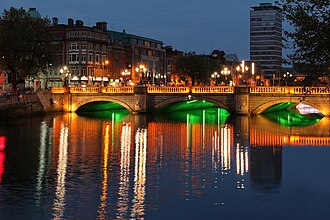
Why go: finishing by the river gives perspective; sidestreets have a different light and often unexpected reflections from the water.
Documented history: the quays and adjacent lanes were part of the working riverfront: warehouses, loading stages and maritime services shaped the urban fabric.
Local folklore / sightings: there are recurring references to lights seen between shuttered windows and the impression of someone watching from a distance. These are oral reports and best treated as part of neighbourhood storytelling.
Practicalities: safety, access and etiquette
Safety first: stick to public lanes and publicly accessible courtyards. Avoid private gated courtyards, locked mews or any spaces that clearly display no‑entry signage.
Respect residents: many of these lanes are front doors and back gardens for people who live here. Keep noise down, do not block access and never enter private property without explicit permission.
Access notes: some passages are narrow or uneven. Wear comfortable, supportive shoes and carry a torch if you plan to walk after dusk. Keep a charged phone and let someone know your intended route if you are walking alone late.
Insurance and responsible operation: if you’re arranging a private group or commercial walk, review appropriate liability cover and guidance. Ghost Tour Dublin Experience maintains an industry checklist for operators that you can consult for planning and risk assessment.
Insurance Checklist for Dublin Ghost‑Walk Operators
Photography & night‑walking tips
Low light technique: use a tripod or stable surface for long exposures. A wide aperture and moderate ISO will capture ambience without excessive noise.
Respectful shooting: avoid using flash aimed into windows or directly at private doors. When photographing lanes, frame shots to emphasise public space and architectural texture rather than individuals.
Equipment suggestions: a small tripod, a fast prime lens (if you have one) and a headlamp with a red light mode for your map will make navigating and shooting easier without disturbing residents.
Compositional tips: include leading lines toward dark openings, use reflections on wet cobbles, and capture the contrast between sodium lamps and natural shadows. Night shots often benefit from shooting several exposures and blending them later for dynamic range.
Extensions and commercial options
If you want to expand the walk into a longer exploration, nearby validated historic sites offer complementary context. Consider visiting formal sites of monastic ruins or manor houses on Dublin’s outskirts to widen the period context of what you’ve seen.
Monastic Ruins Around Dublin: Chapel Ruins & Spectral Lore • Manor-house Ghost Tales on Dublin’s Outskirts — History, Folklore & Visitor Guide
If you’re producing content or organising a small documentary, practical budgeting and low‑cost promotion are useful. We reference practical production budgeting and marketing guidance that other Dublin operators have used.
How to Budget a Short Dublin Ghost Documentary — Practical Cost Guide • Low‑Budget Marketing Tactics for Dublin Ghost Tours
Guided alternatives: if you prefer an interpreter, professionally led walks can bring the blend of history and folklore to life while managing safety for evening groups. For group bookings or a private experience, Ghost Tour Dublin Experience offers tailored options and private‑group arrangements.
For private groups or corporate outings, we can arrange bespoke evening walks and add specialist commentary—book through our private events page for tailored routes and timing.
Private group bookings — Ghost Tour Dublin Experience
FAQ
Are these lanes safe to visit at night and what precautions should I take?
The lanes can be atmospheric after dark but exercise the same precautions you would in any city: stay in public and well‑lit areas when possible, travel in pairs or small groups, keep valuables discreet, carry a charged phone, and tell someone your route. Avoid trespassing and be aware some lanes can be uneven underfoot.
Do I need permission to enter alleys, mews or private courtyards on the route?
Yes. If a courtyard or mews is gated or shows private signage, do not enter without explicit permission from the property owner. The route highlights public lanes only; respect private property and residents’ privacy at all times.
How long is the suggested route and is it suitable for families or older visitors?
The full suggested loop is roughly 3.5–4.5 km and typically takes 2–3 hours at a relaxed pace. It can be split into shorter segments. Some lanes have stairs, cobbles and uneven surfaces, so assess mobility needs before you start. For family groups or older visitors, pick the clusters that suit your comfort level and daylight hours.
How can I tell which stories are verified history and which are folklore or local legend?
This guide separates documented history—building use, urban development and known public records—from folklore, which we flag as local stories, oral reports and anecdotal sightings. If you want deeper primary documentation, consult local archives or specialist histories; the material linked in this article offers further contextual reading rather than definitive archival citations.