
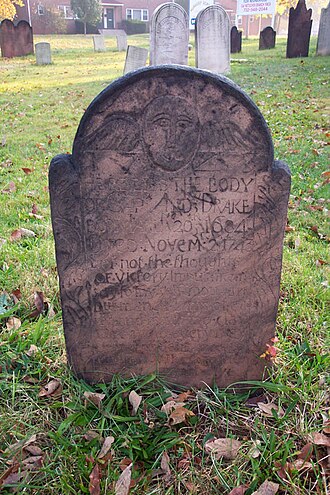
Eerie Epitaphs: Decoding Dublin Headstone Symbols and Stories
Headstones are the city’s quiet storytellers: carved stone, fading paint and clipped inscriptions that record loss, faith, profession and sometimes gossip. For visitors drawn to Dublin’s darker corners, learning to read epitaphs and iconography turns a graveyard from a scenic curiosity into a layered archive—one that blends documented social history with the imaginative additions of folklore and legend.
Quick primer: How headstones were made and why epitaph language changed (18th–20th centuries)
From the 1700s through the early 1900s, materials and tastes shifted. Early markers were often simple fieldstone or slate with hand-chiseled lettering. By the Victorian era, limestone and sandstone, engraved ornamentation and standardized inscriptions became common. Industrial stonecutting made more elaborate motifs affordable; cemetery landscaping and the rise of memorial culture influenced language and symbolism.
Language also evolved: 18th-century epitaphs were frequently terse and scriptural. The 19th century introduced sentimental phrasing—“Beloved,” “Gone but not forgotten”—reflecting Victorian attitudes toward mourning. In the 20th century, more personal and secular references appear, and abbreviations (such as “d.” for died, “b.” for born) become common on smaller markers.
Common symbols decoded
Symbols on headstones acted as a visual shorthand for beliefs, virtues, age and sometimes cause of death. Below are the most commonly encountered motifs around Dublin graveyards and how to read them without assuming later folklore.
Angels
Angels typically signify protection or guidance to the afterlife. A child’s gravestone with a small angel can denote innocence and guardianship rather than any supernatural claim. Variations—full figures, wings only, or an angel in flight—reflect artistic taste more than differing theological meaning.
Skulls and winged skulls
Skulls were common in earlier periods as memento mori—reminders of mortality. The winged skull (a skull with wings) combines mortality with the soul’s flight, a motif seen in 17th–18th-century stones. Only later did skull imagery gather Gothic or sensational connotations through popular culture; on-site, treat it as a historical emblem of mortality rather than evidence of grim events.
Hourglasses
An hourglass symbolizes the passage of time and life’s brevity. Often paired with scythes or falling leaves, it communicates a moral reflection rather than a specific cause of death.
Clasped hands
Clasped hands can mean a farewell, a prayer, or the connection between the living and the dead. One hand pointing down and one up sometimes denotes the living meeting the deceased; when carved with initials, it may mark a spouse or family bond.
Lambs
Lambs commonly appear on children’s graves and signify innocence and meekness, drawing from Christian symbolism. Their presence gives clear social context: likely a memorial for a young child.
Urns, ivy and plants
Urns reflect funerary practices and the classical revival of the 18th–19th centuries; they often imply the spirit or memory held in perpetuity. Ivy symbolizes fidelity and eternal life; laurel implies victory over death. Plant motifs are decorative and emblematic of the sentiments the family wished to project.
Reading epitaphs: phrasing, dates, abbreviations and what they tell you
Start with the obvious: names and dates. From there, phrasing and inscriptions reveal class, profession and beliefs. A long, flowery inscription with Latin quotations may suggest an educated or wealthier family while short initials and a trade listing (“Carpenter”) often mark modest origins.
Common abbreviations include “d.” (died), “b.” (born), “aged” or “aet” (aetatis, age). “Sacred to the memory of” is a ritualized opening; “interred” and “relict” are legal or ecclesiastical terms. Causes of death are rarely explicit on older stones unless death was notable—“killed at sea,” “drowned,” or in a few cases “murdered”—and even then, those claims should be cross-checked against records.
If you read dates and see clusters of deaths in a year, that can point to epidemics or other events; to confirm, consult parish registers or cemetery records rather than relying on folklore.
Spotlight sites in Dublin to see evocative epitaphs
Dublin offers a range of sites where headstone symbolism and epitaphs are particularly visible. Each site has its own character and expected visitor experience.
Glasnevin Cemetery
Glasnevin holds monuments ranging from grand civic memorials to humble family plots. Expect Victorian-era symbolism and later nationalist inscriptions. The scale and variety make it a strong place for comparative reading, but remain respectful of ongoing burials and guided tours.
Mount Jerome
Mount Jerome reflects Victorian funerary fashion—urns, angels and elaborate epitaphs. The cemetery’s layout and monumental stones give context to changing memorial tastes across the 19th century.
Parish graveyards and hidden lanes
Small parish graveyards and lane-side plots often contain older, weathered headstones where symbols are worn and weathered. These sites reward close observation and benefit from the attention of local guides who can read worn script. For a self-guided option, consider planning with the Self‑Guided Map: Dublin Northside Lanes with Eerie Sightings.
Separating folklore from record: how legends grow and where to check
Legend grows from a seed—an unusual epitaph, an anonymous victim, a dramatic death—and the telling multiplies details. Distinguish three tiers:
- Documented history: facts you can confirm in parish registers, civil records or cemetery ledgers.
- Folklore: community stories that embellish facts but may preserve kernels of truth.
- Legend: highly embellished tales with little archival support, often repeated for atmosphere.
For verification, consult archival resources, local history trusts or the cemetery office. Ghost Tour Dublin Experience guides base their narratives on documented records where possible, and clearly label speculative or folkloric elements when presenting a story on a walk.
Examples: a gravestone that names a sailor “lost at sea” might inspire ghost stories about hauntings; the documented fact is the recorded death at sea, while any spectral claims are folklore. To explore related contexts—manor-house stories or monastic ruins that feed local legend—see pieces like Manor-house Ghost Tales on Dublin’s Outskirts or Monastic Ruins Around Dublin: Chapel Ruins & Spectral Lore.
Responsible and atmospheric visiting: etiquette, safety and photography
Atmosphere matters, but respect matters more. Stay on paths, do not disturb graves or flowers, and follow posted rules. Avoid loud behavior, and never climb on monuments. Cemeteries can have uneven ground—wear sturdy shoes and bring a torch for early evening or low light.
Photography is generally acceptable for personal use, but be discreet around mourners and avoid photographing funerals. Rubbings can damage soft stone and are often prohibited; ask permission from cemetery staff. For a guided, interpretive and respectful experience, consider joining a certified walk.
Ghost Tour Dublin’s guided experiences offer in-person context, archival background and atmospheric storytelling that clearly separates documented facts from folklore. If you want a bespoke group experience, you can also enquire about private tours for groups and events via the private booking option below.
Private groups: for tailored itineraries and exclusive after-hours walks, contact our private groups page to arrange a focused headstone and epitaph tour for your party: Book private Ghost Tour Dublin Experience.
If you’re researching on your own, our articles on practical production and promotion—such as How to Budget a Short Dublin Ghost Documentary — Practical Cost Guide and Low-Budget Marketing Tactics for Dublin Ghost Tours—can help contextualize how stories are documented and shared.
FAQ
Can I visit Dublin cemeteries at night to see eerie epitaphs?
Night visits can be atmospheric but are often restricted. Some cemeteries close at dusk for safety and conservation reasons. After-hours visits may be possible through organized, licensed tours that have permission; this is the safest and most respectful way to experience a cemetery at night.
How can I tell the difference between a symbol’s religious meaning and a later folkloric interpretation?
Start with period context: many symbols (angels, urns, lambs) have established religious or funerary meanings. If a story connects a symbol to a haunting or miracle, treat that as folklore unless you can find archival evidence to support the claim. Ask guides whether a claim is documented or part of local oral tradition.
Are there guided tours that focus specifically on headstones and epitaph stories in Dublin?
Yes. Ghost Tour Dublin Experience offers guided walks that spotlight headstone symbolism, archival context and the folklore that surrounds some graves. These tours balance historical documentation with atmospheric storytelling and can be booked online for public or private groups.
Is it acceptable to photograph headstones and take rubbings while visiting?
Photographing headstones for personal use is usually acceptable if you are respectful and avoid interfering with mourners. Rubbings (placing paper over a stone and rubbing pencil or charcoal to capture inscriptions) can damage fragile stones and are often prohibited—always ask cemetery staff or a tour guide before attempting a rubbing.